Why rare-disease drugs could become India’s next pharma frontier
Source Entity
India Latest News: Top National Headlines Today & Breaking News | The Hindu
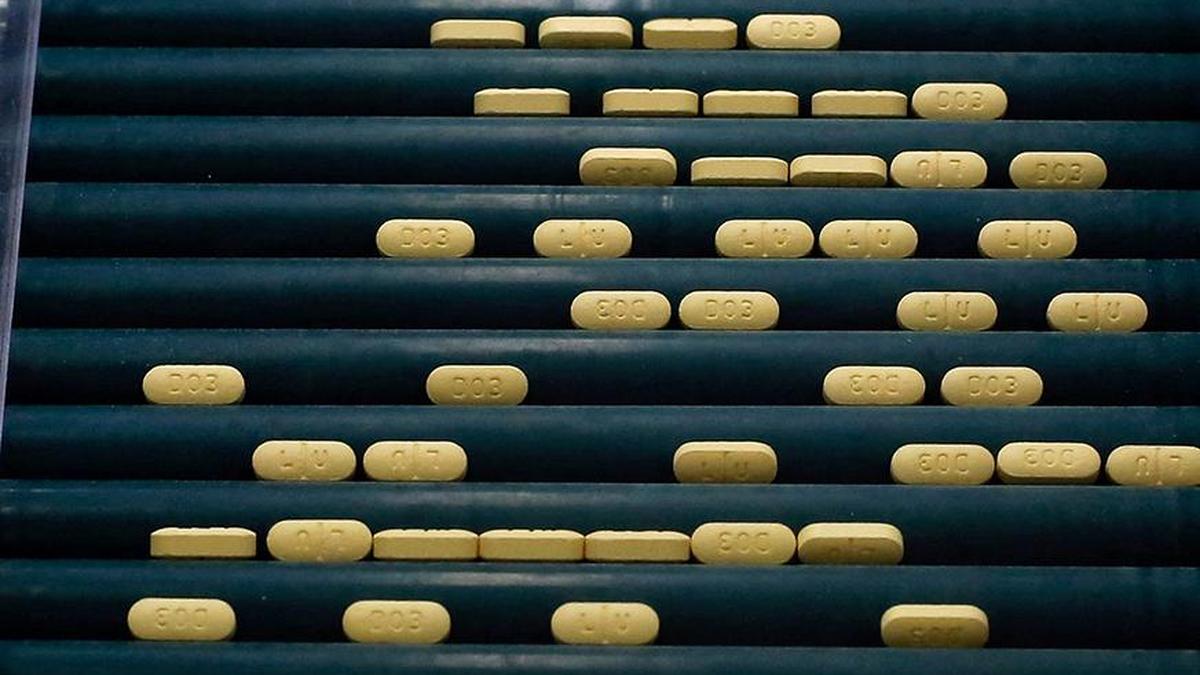
The US Commerce Department has eliminated ad valorem tariffs on specialty drugs and ingredients for rare diseases imported from India and 19 other nations. This move aims to increase the accessibility of orphan drugs while incentivizing global production of rare-disease treatments.
US Policy Shift: Bolstering Rare Disease Drug Access
The United States Commerce Department has officially announced the removal of ad valorem tariffs on specific specialty drugs and their constituent ingredients imported from India and 19 other nations. This policy shift represents a significant recalibration of trade dynamics in the pharmaceutical sector, specifically targeting treatments for rare medical conditions. By establishing a zero-tariff framework, the U.S. is signaling a prioritized approach to lowering the barriers to entry for life-saving medications that have historically faced high costs and logistical hurdles.
Understanding the Orphan Drug Landscape
Historically, the pharmaceutical industry has struggled with the economic viability of 'orphan drugs'—treatments designed for conditions affecting a very small number of patients. With approximately 8,000 known rare diseases affecting hundreds of millions globally, the cumulative burden is immense, yet individual drug development was long stifled by low patient volume. India, having already established itself as a global leader in affordable generic medicine, is now positioned to pivot toward this high-value, high-impact sector by addressing the 1,004 rare genetic disorders identified within its own borders.
Historical Context and Regulatory Incentives
The U.S. approach to this problem is not unprecedented. Following the 1983 Orphan Drug Act, the U.S. successfully used tax incentives, market exclusivity periods, and regulatory fee waivers to stimulate innovation. By extending zero-tariff status to international partners like India, the U.S. Commerce Department is effectively updating its toolkit. While Washington prepares to implement a 100 percent tariff on specific patented pharmaceutical products starting September 29, the exemption for rare disease treatments ensures that essential, non-generic specialty medicines remain economically viable for patients and providers alike.
Strategic Implications for India’s Pharma Sector
For India, this development is a catalyst for the next phase of its pharmaceutical evolution. The challenge lies in transitioning from a volume-based generic powerhouse to a specialized hub for rare disease research and manufacturing. To succeed, India must leverage its existing manufacturing prowess alongside a streamlined regulatory pathway and strategic government procurement policies. This alignment between U.S. import policy and Indian production capacity could create a robust, globally competitive rare-disease pharmaceutical ecosystem.
Future Trends and Global Impact
The removal of these tariffs suggests a future where global supply chains for specialized medicine are increasingly interconnected. As the U.S. Commerce Department formalizes the list of eligible countries in the Federal Register, it creates a predictable environment for manufacturers to invest in the research and development of orphan drugs. Moving forward, the success of this policy will depend on whether other nations follow suit in incentivizing the production of treatments for rare conditions, ultimately benefiting the millions of patients currently underserved by traditional market models.
Verification Required?