UPI MDR row: Banks to ensure merchants don’t pass charges to consumers
Source Entity
AASTHA JHA
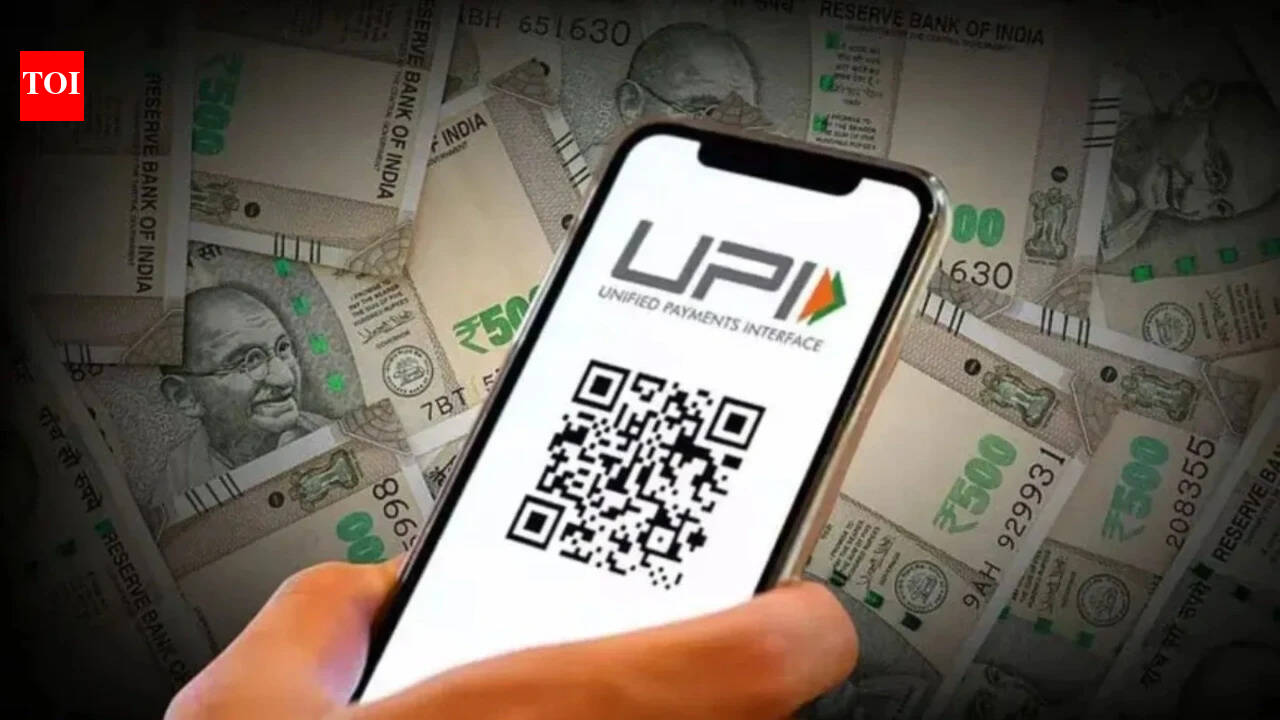
The Indian government has clarified that UPI Merchant Discount Rate (MDR) charges will not be passed to consumers, dismissing fears of a shift back to cash. Banks and the IBA are establishing mechanisms to enforce this, noting that MDR is a necessary ecosystem cost, not a tax.
The UPI MDR Clarification: Ensuring Consumer Protection and Ecosystem Sustainability
Addressing Public Concerns and Misconceptions
Recent discourse surrounding the Merchant Discount Rate (MDR) on UPI transactions has prompted the Indian government to issue a series of clarifications to stabilize market expectations. Amidst growing public concern that UPI transaction fees—specifically for amounts exceeding Rs 2,000—might lead to a resurgence in cash-based transactions, government sources have labeled these fears as "100% misplaced." The core message is that the introduction of MDR is not a tax, nor does it alter the Maximum Retail Price (MRP) of any product, ensuring that the consumer remains shielded from additional costs.
The Role of the Ecosystem and Financial Sustainability
The government has emphasized that the MDR is not a revenue stream for the state but a critical mechanism for sustaining the UPI ecosystem. Officials have drawn a direct comparison to credit and debit card networks like Visa, Mastercard, and Amex, where merchants have historically absorbed transaction fees. The argument is that UPI, as an indigenous and highly successful digital infrastructure, requires a sustainable revenue model to continue providing high-quality services. The prevailing sentiment is that expecting these services to remain entirely free indefinitely would be akin to "killing the golden goose."
Regulatory Oversight and Enforcement
To maintain consumer confidence, the Indian Banks’ Association (IBA) is tasked with implementing a robust monitoring mechanism. The objective is to ensure that merchants do not attempt to recover MDR costs from customers at the point of sale. The Finance Ministry is actively engaging with the IBA, as well as trade organizations like the Confederation of All India Traders (CAIT), to address grievances and ensure transparency. This regulatory oversight is designed to prevent price gouging or arbitrary surcharges that could undermine the widespread adoption of digital payments.
Historical Context and Digital Evolution
Historically, the digital payment revolution in India has been driven by the convenience and low-cost nature of UPI. As the transaction volume grows, the infrastructure requires ongoing investment for maintenance and technological upgrades. By comparing UPI to established card networks, the government is framing the MDR as a standard business practice in a mature financial market. This shift suggests a transition from a "subsidized growth phase" to a "sustainable maturity phase" for India's digital payment architecture.
Future Trends and Communication Strategy
Looking ahead, the government and the IBA plan to launch an explanatory campaign in various regional languages to demystify the MDR. By educating both merchants and consumers on the necessity of these fees for the long-term health of the UPI network, stakeholders hope to mitigate misinformation. The focus remains on maintaining the seamlessness of digital transactions while ensuring that 96% of transactions remain unaffected by these specific fee structures, thereby preserving the competitive advantage of the UPI ecosystem.