UPSC Mains Answer Practice — GS 2: Cooperative federalism and challenges in electoral roll verification (Week 179)
Source Entity
Nitendra Pal Singh
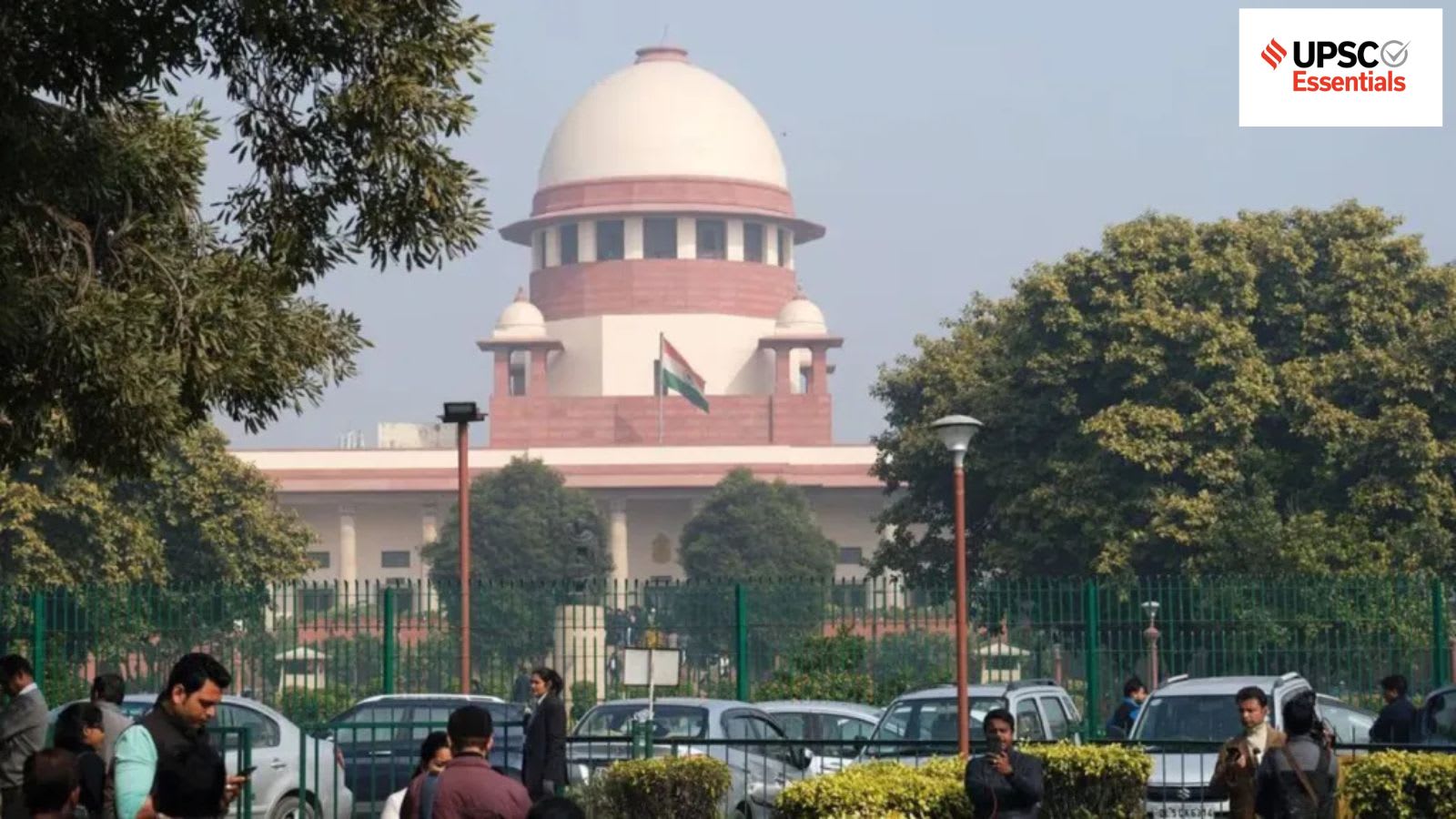
The Indian Express UPSC Essentials program offers structured mains answer writing practice for civil service aspirants. This week's focus centers on the complexities of cooperative federalism within Indian regulatory frameworks.
Strengthening Administrative Governance: The UPSC Mains Initiative
The UPSC Essentials initiative serves as a critical pedagogical tool for civil service aspirants, bridging the gap between theoretical knowledge and the analytical rigor required for the UPSC Civil Services Examination (CSE) Mains. By focusing on both static and dynamic components of the GS papers, this platform enables students to synthesize complex constitutional concepts with contemporary administrative challenges. The current focus on General Studies Paper 2 (GS-2) underscores the necessity of mastering governance, polity, and social justice modules, which form the bedrock of the administrative service.
The Mechanics of Cooperative Federalism
At the heart of this week’s practice is the concept of 'Cooperative Federalism,' a foundational principle of the Indian constitutional architecture. Unlike a rigid federal structure, the Indian model necessitates a continuous, collaborative dialogue between the Union and the States. This synergy is essential for maintaining a unified national policy while respecting the regional autonomy afforded to states under the Seventh Schedule, ensuring that national objectives are met through decentralized implementation.
Challenges in Regulatory Implementation
One of the most profound challenges in maintaining this federal balance is the effective implementation of regulatory laws, particularly in sectors like food safety. Food safety administration in India is a multi-layered domain where the Food Safety and Standards Authority of India (FSSAI) sets national standards, yet the actual enforcement rests heavily on state-level machinery. Discrepancies in state-level infrastructure, resource allocation, and political will often lead to a fragmented regulatory environment that can undermine national food security and public health goals.
Analytical Rigor in Answer Writing
For aspirants, addressing questions on cooperative federalism requires more than a mere recitation of constitutional articles. It demands a nuanced understanding of the friction points between central mandates and state administrative capacities. The UPSC Essentials exercise challenges candidates to propose solutions that reconcile these tensions, fostering an analytical mindset that is vital for future bureaucrats who will navigate these exact inter-governmental complexities in their careers.
Broader Implications for Governance
Beyond the context of exam preparation, the focus on electoral roll verification and food safety standards highlights the broader systemic need for inter-operability between different tiers of government. As India continues to digitize its administrative processes, the reliance on shared databases and common regulatory protocols will only increase. This makes the understanding of cooperative federalism not just an academic requirement, but a practical necessity for the future of Indian governance and public administration.
Concluding Thoughts
In summary, the UPSC Essentials platform provides a vital service by forcing students to grapple with the real-world application of governance theories. By examining the intersection of regulatory law and federal coordination, candidates are better prepared to handle the multifaceted responsibilities of the civil service. This initiative highlights that success in the examination—and by extension, success in administration—is rooted in the ability to bridge policy intent with ground-level execution.