Urban Pulse | When ageing meets an unsafe city
Source Entity
Latest News: Todays Latest News Headlines from India & World | Hindustan Times | Hindustan Times
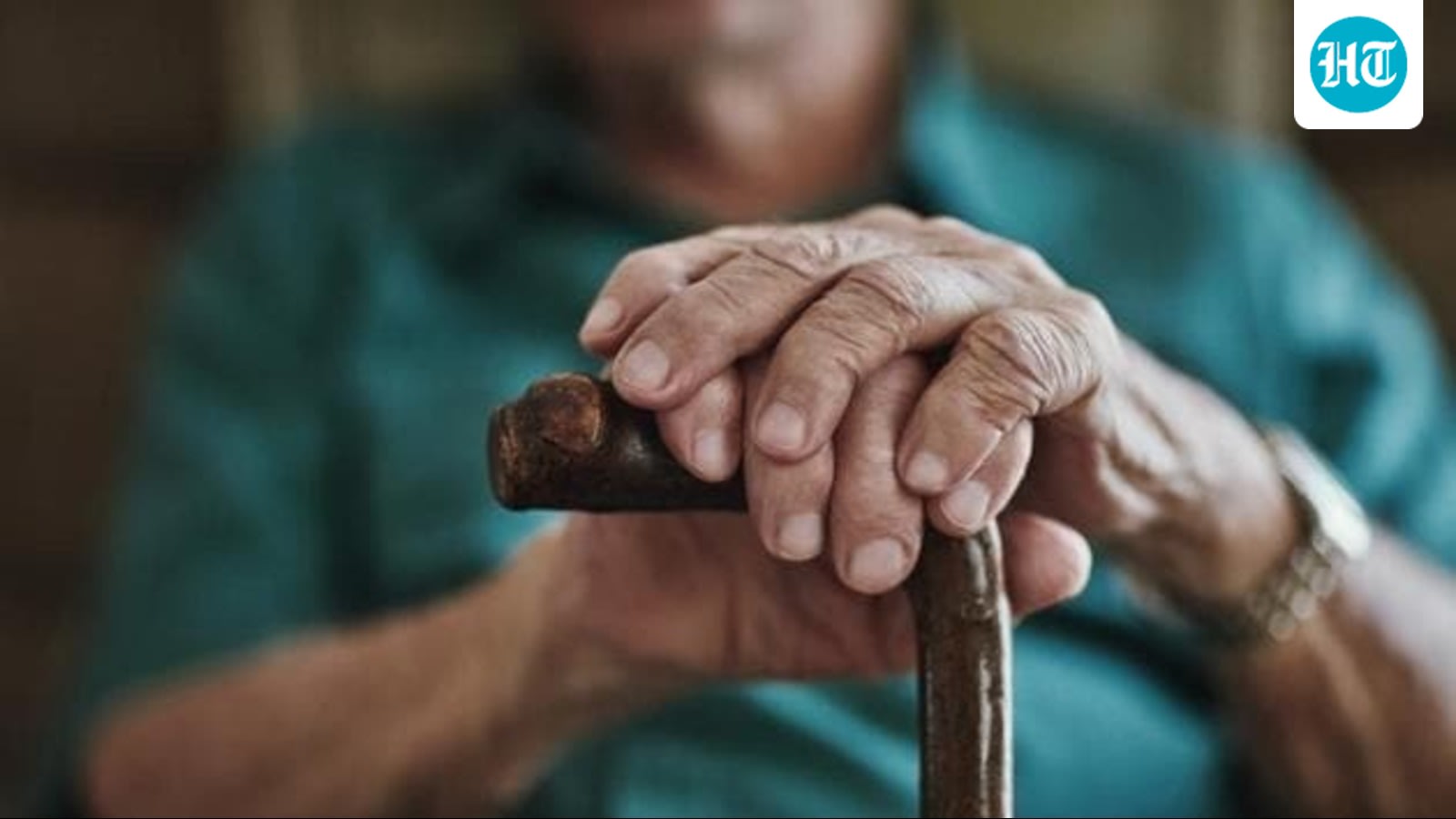
The murder of an elderly woman in Panchkula has sparked a critical debate on urban safety for senior citizens. The incident highlights an urgent need to transition from reactive security measures to proactive, age-friendly urban planning.
The Crisis of Urban Safety for the Elderly
The recent, tragic murder of an elderly woman in Panchkula’s Sector 21 has sent shockwaves through the community, challenging the long-held perception that the region's meticulously planned sectors and quiet, leafy colonies are immune to violent crime. This incident is not merely a localized tragedy; it serves as a wake-up call regarding the vulnerability of our growing senior citizen population who live independently in urban environments.
Moving Beyond Domestic Security
For too long, the discourse surrounding the safety of the elderly has been confined to the domestic sphere—focusing primarily on the verification of domestic help, the installation of security cameras, and the maintenance of emergency contact lists. While these measures are undeniably vital, they represent only a reactive approach to a much larger societal challenge. True safety must extend beyond the front door to encompass the entire urban experience, including the ability of an 80-year-old to navigate public spaces without fear.
The Right to the City
A city’s maturity should be measured by its inclusivity, specifically how it accommodates its most vulnerable residents. If an elderly person must calculate the risk of every ordinary action—such as walking to a local park, sitting on a bench, or crossing the street—then the city has failed in its fundamental duty. The current urban design often forces the elderly into a state of self-imposed house arrest, effectively stripping them of their autonomy in the name of safety.
Digital and Physical Threats
The threat landscape for seniors is evolving rapidly, necessitating a multi-dimensional defense strategy. Beyond physical threats in public spaces, elderly residents are increasingly targeted by sophisticated fraud, such as criminals posing as law enforcement officials over the phone. A comprehensive safety framework must integrate community-led welfare checks with robust public awareness campaigns to protect seniors from these emerging digital and social engineering risks.
The Necessity of Age-Friendly Planning
The tricity region is at a crossroads. It must decide whether to continue designing safety around the elderly as an afterthought or to actively engage in age-friendly urban planning. This requires a paradigm shift: retrofitting public infrastructure to be more accessible, increasing police presence in communal areas during evening hours, and fostering social cohesion where neighbors actively look out for one another.
Conclusion: A Collective Responsibility
Ultimately, the safety of the elderly is a barometer for the health of our society. The murder in Panchkula highlights that the assumption of inherent safety in planned colonies is no longer a substitute for active community vigilance and thoughtful policy. If we are to ensure that the elderly can age with dignity and freedom, we must prioritize their safety as a core component of urban development, ensuring that our streets and parks remain accessible, welcoming, and secure for all.
Verification Required?