US approves sale of 500 Patriot missiles to Ukraine
Source Entity
BBC News
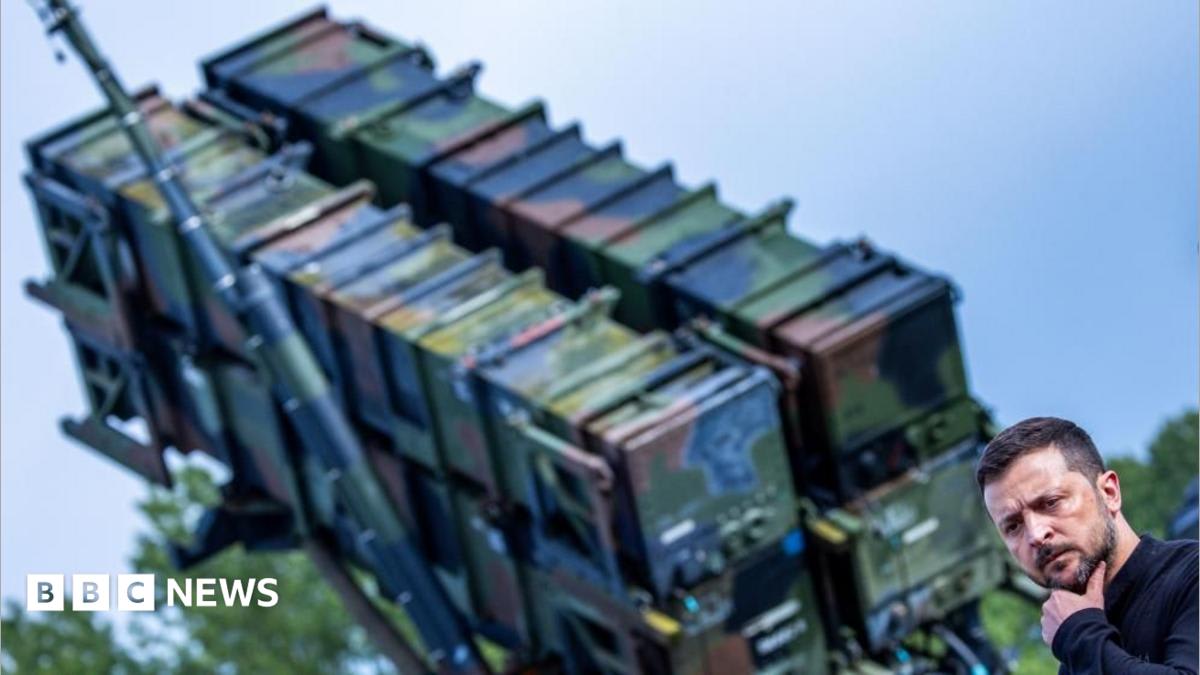
The US has approved a $2.1 billion sale of 500 Patriot PAC-3 missiles to Ukraine to bolster its defense against Russian ballistic attacks. Despite the approval, delivery timelines remain uncertain, occurring amid diplomatic tensions between the Trump administration and President Zelensky.
Strengthening Ukraine's Defensive Shield
The United States government has officially approved the sale of 500 Patriot PAC-3 interceptor missiles to Ukraine in a deal valued at approximately $2.1 billion. This procurement is strategically significant, as the Patriot system remains the only viable defensive technology capable of intercepting Russia’s advanced ballistic missiles. By authorizing this sale, the U.S. aims to provide Kyiv with the necessary hardware to mitigate the impact of escalating aerial bombardments that have plagued the region throughout the ongoing conflict.
Financial Logistics and International Support
While the price tag for this defensive arsenal is substantial, the U.S. State Department has clarified that the transaction will be "funded entirely" by a coalition of Ukraine’s allies, including partners from Europe and Canada. This multilateral funding approach underscores the continued commitment of Western nations to sustain Ukraine's defensive capacity even as the global political landscape shifts. The reliance on external financing highlights both the financial strain on the Ukrainian economy and the international community's shared interest in maintaining a stable defensive posture against Russian aggression.
Diplomatic Friction and Political Context
This sale occurs against a backdrop of increasing diplomatic friction between the second Trump administration and the leadership in Kyiv. Recent public disagreements have emerged, with President Donald Trump criticizing President Volodymyr Zelensky regarding the strategy of striking Russian refineries and suggesting that a change in Ukrainian leadership might be necessary to conclude the war. These tensions have been exacerbated by previous delays in military aid, which have historically strained the strategic partnership between Washington and Kyiv.
The Challenge of Delivery Timelines
Despite the formal approval of the $2.1 billion package, a significant uncertainty remains regarding the operational readiness of these munitions. Official statements from the U.S. State Department notably omitted any estimated timeline for the delivery of the 500 missiles. Given the complexities of the global defense supply chain and the high demand for Patriot systems, analysts warn that the actual arrival of these interceptors on the front lines could take years, potentially limiting their immediate impact on the current battlefield dynamics.
Strategic Implications for Future Warfare
The procurement of these interceptors is not merely a tactical maneuver but a long-term strategic investment. By securing a large volume of PAC-3 missiles, Ukraine is attempting to insulate its critical infrastructure and population centers from the sustained threat of ballistic missile strikes. As the conflict evolves, the ability to replenish these high-end defensive assets will define the sustainability of Ukraine's resistance. The international community will likely continue to monitor whether this approval leads to expedited manufacturing cycles or if logistical bottlenecks will hinder the deployment of these vital defense systems.