Auto industry urges Trump to not allow Chinese automakers in U.S. ahead of Xi visit
Source Entity
US Top News and Analysis
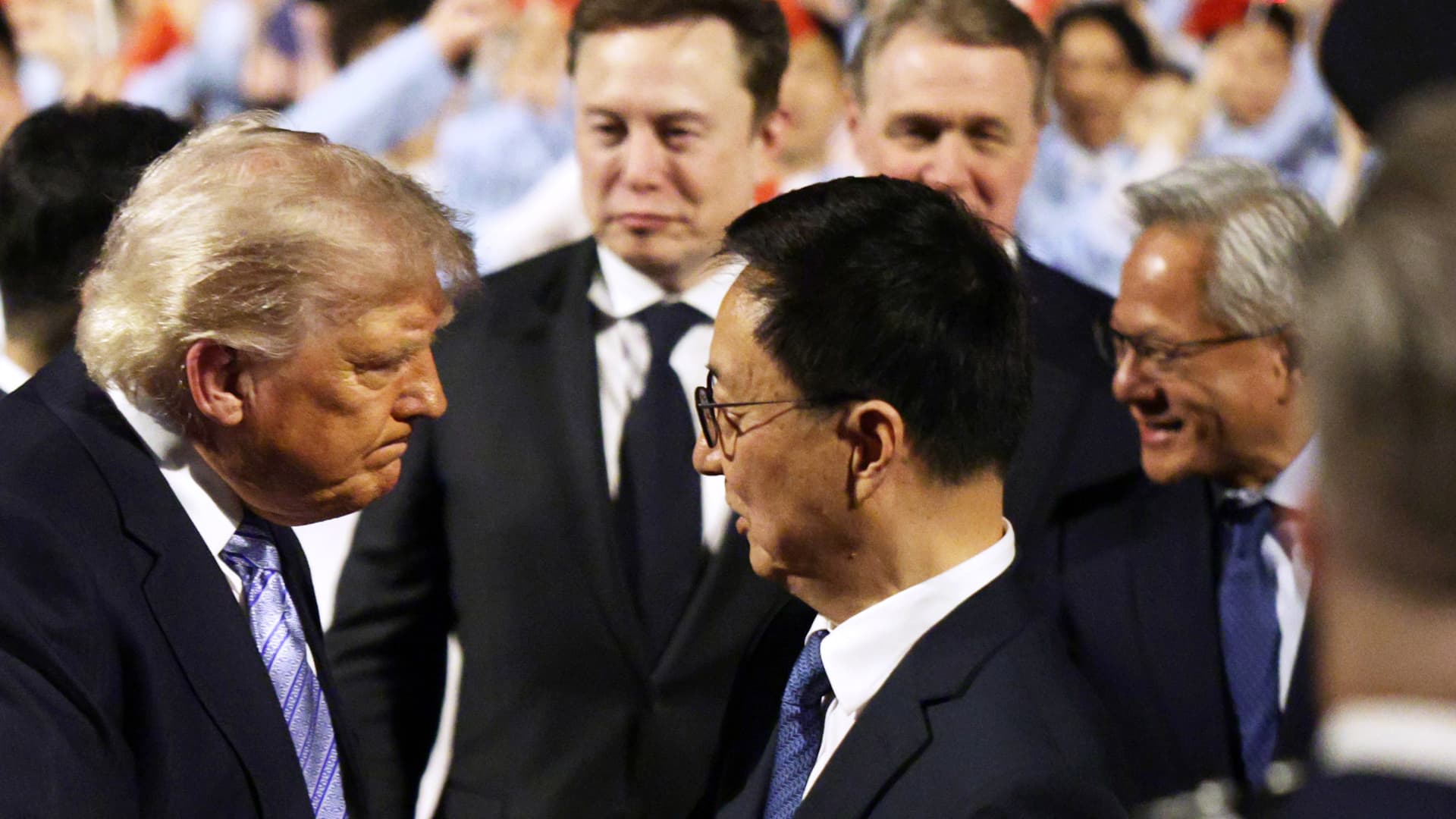
Major U.S. auto industry trade groups have formally urged President Trump to restrict or ban Chinese automakers from the American market. This appeal coincides with high-level diplomatic and corporate meetings in Beijing involving industry leaders like Elon Musk and Jensen Huang.
The Strategic Push to Block Chinese Automotive Entry
In a significant move reflecting the escalating tensions within the global automotive sector, leaders from six major U.S. auto trade groups have formally petitioned President Donald Trump to maintain or strengthen barriers against Chinese automakers. The signatories, representing a broad coalition of franchised dealers, parts suppliers, and both domestic and international car manufacturers, have expressed a clear desire to keep the U.S. market protected from Chinese competition. This collective action underscores the industry's deep-seated anxiety regarding the potential disruption that established Chinese manufacturing capabilities could pose to the American economic landscape.
The Context of Diplomatic Engagement
The timing of this request is particularly noteworthy, occurring alongside high-stakes diplomatic and corporate activity. Reports indicate that President Trump’s arrival in Beijing on May 13, 2026, was marked by significant meetings with Chinese leadership, specifically Vice President Han Zheng. The presence of high-profile industry figures such as SpaceX and Tesla CEO Elon Musk, alongside Nvidia CEO Jensen Huang, highlights the complex intersection of global trade, technology, and national industrial policy. These interactions suggest that while the auto industry is lobbying for protectionism, the broader diplomatic environment remains heavily focused on the integration of critical technology sectors.
Economic Implications for the U.S. Auto Sector
The primary motivation behind the industry's letter is the fear that Chinese automakers, known for their aggressive pricing and rapid development in electric vehicle (EV) technology, could overwhelm domestic manufacturers if allowed unfettered access to the U.S. market. By urging the president to "keep the door firmly shut," these trade groups are essentially advocating for a continuation of restrictive trade policies that have historically served as a buffer for domestic profitability. The coalition argues that protecting the current market structure is essential to preserving the livelihoods of millions of Americans employed in manufacturing, supply chain, and dealership networks.
Geopolitical Tensions and Trade Policy
This development is a microcosm of the broader U.S.-China economic rivalry. The automotive industry’s plea reflects a strategic pivot toward protectionism as a means of national security and economic stability. By attempting to influence the president's agenda ahead of his discussions with Chinese officials, these trade groups are attempting to codify a long-term strategy that prioritizes domestic resilience over the benefits of open global trade. This creates a challenging environment for the administration, which must balance the demands of powerful industry lobbyists against the complexities of navigating foreign relations with China.
Future Trends and Market Outlook
Looking ahead, the success of this lobbying effort will likely dictate the future of the American EV market. If the administration adopts the recommendations of these trade groups, it could significantly slow the pace of Chinese market entry, granting U.S. automakers more time to scale their own battery and software innovations. However, such policies may also invite retaliatory measures from Beijing, potentially affecting the operations of American companies currently active in China. The presence of leaders like Elon Musk and Jensen Huang in Beijing suggests that some sectors remain deeply invested in the Chinese market, creating a multifaceted challenge for U.S. trade policy moving forward.