Why are US automakers abandoning electric vehicles? Explained
Source Entity
Latest News: Today's Latest News Headlines from India & World | Hindustan Times | Hindustan Times
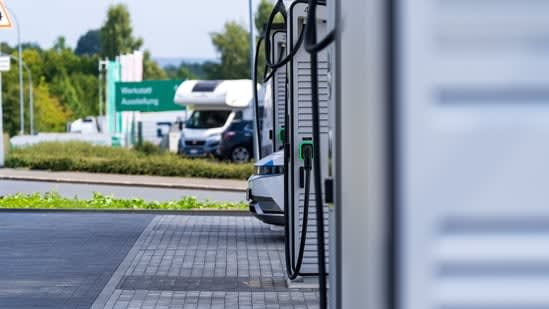
US automotive giants like Ford and GM are scaling back their aggressive electric vehicle (EV) goals in response to cooling consumer demand, high production costs, and the uncertainty surrounding federal policies and tax incentives.
The Great Recalibration: Why US Automakers are Pivoting from EVs
The American automotive landscape is currently undergoing a significant strategic recalibration. After years of aggressive commitments to a fully electric future, industry giants such as Ford and General Motors are pivoting their strategies. This shift is not necessarily a total abandonment of electrification, but rather a pragmatic response to a market that has proven slower to adopt than initially predicted. The transition to EVs, once framed as an inevitable sprint toward a zero-emission future, has evolved into a cautious marathon as manufacturers balance environmental goals with financial survival.
Economic Realities and the Rise of Hybrids
One of the primary drivers for this retreat is the stark economic reality of EV production and consumer demand. While early adopters embraced the technology, the "mass market" consumer has proven far more sensitive to price points and operational convenience. The high cost of battery materials and the immense capital expenditure required to retool existing internal combustion engine (ICE) plants have squeezed profit margins. Consequently, automakers are finding that hybrid vehicles—which offer a compromise between gasoline and electricity—are currently more profitable and more appealing to the average buyer who is not yet ready to commit to a fully electric lifestyle.
The Influence of Political Volatility
The political climate in the United States plays a pivotal role in these corporate decisions. The industry is highly sensitive to federal incentives and regulatory mandates. The Inflation Reduction Act (IRA) provided significant tax credits for EV purchases and domestic battery production, creating a surge in investment. However, the potential for policy reversals—specifically linked to the influence of Trump-era policies or a change in administration—creates a risky investment environment. If subsidies vanish or emissions mandates are relaxed, the financial incentive to rush EV production diminishes, leading companies to hedge their bets by maintaining ICE capabilities.
Strategic Tactical Retreats: Ford and GM
Looking specifically at the actions of Ford and GM, the strategy has shifted from "EV-first" to "flexible capacity." Ford, for example, has scaled back plans for new battery plants and delayed several EV models to prioritize the development of hybrid powertrains. General Motors has similarly adjusted its aggressive production targets to align more closely with actual sales data. This flexibility allows these companies to pivot based on real-time market demand rather than optimistic long-term forecasts, ensuring they do not end up with massive inventories of expensive, unsold electric trucks and SUVs.
Infrastructure Bottlenecks and Consumer Psychology
Beyond policy and profit, the physical infrastructure of the US remains a critical bottleneck. "Range anxiety" persists because the national charging network remains fragmented and, in many regions, unreliable. Until a seamless, nationwide charging experience is established—mimicking the ubiquity and speed of traditional gas stations—EVs will struggle to penetrate rural and suburban markets where large vehicles are a necessity. This infrastructure gap forces automakers to keep their traditional engines in production to meet the needs of the majority of the American driving public.
Conclusion: A Strategic Correction
In summary, the perceived "abandonment" of EVs by US automakers is a strategic correction rather than a surrender. The industry is learning that the transition to sustainable transport cannot be forced solely by corporate mandates or government subsidies; it must be driven by consumer readiness and infrastructure viability. While the pace of electrification has slowed, the long-term trajectory remains toward a greener fleet, albeit with a much heavier and more prolonged emphasis on hybrid technology as the necessary stepping stone to a fully electric era.
Verification Required?