U.S. flights resume after FAA ground stop, but travel chaos continues
Source Entity
US Top News and Analysis
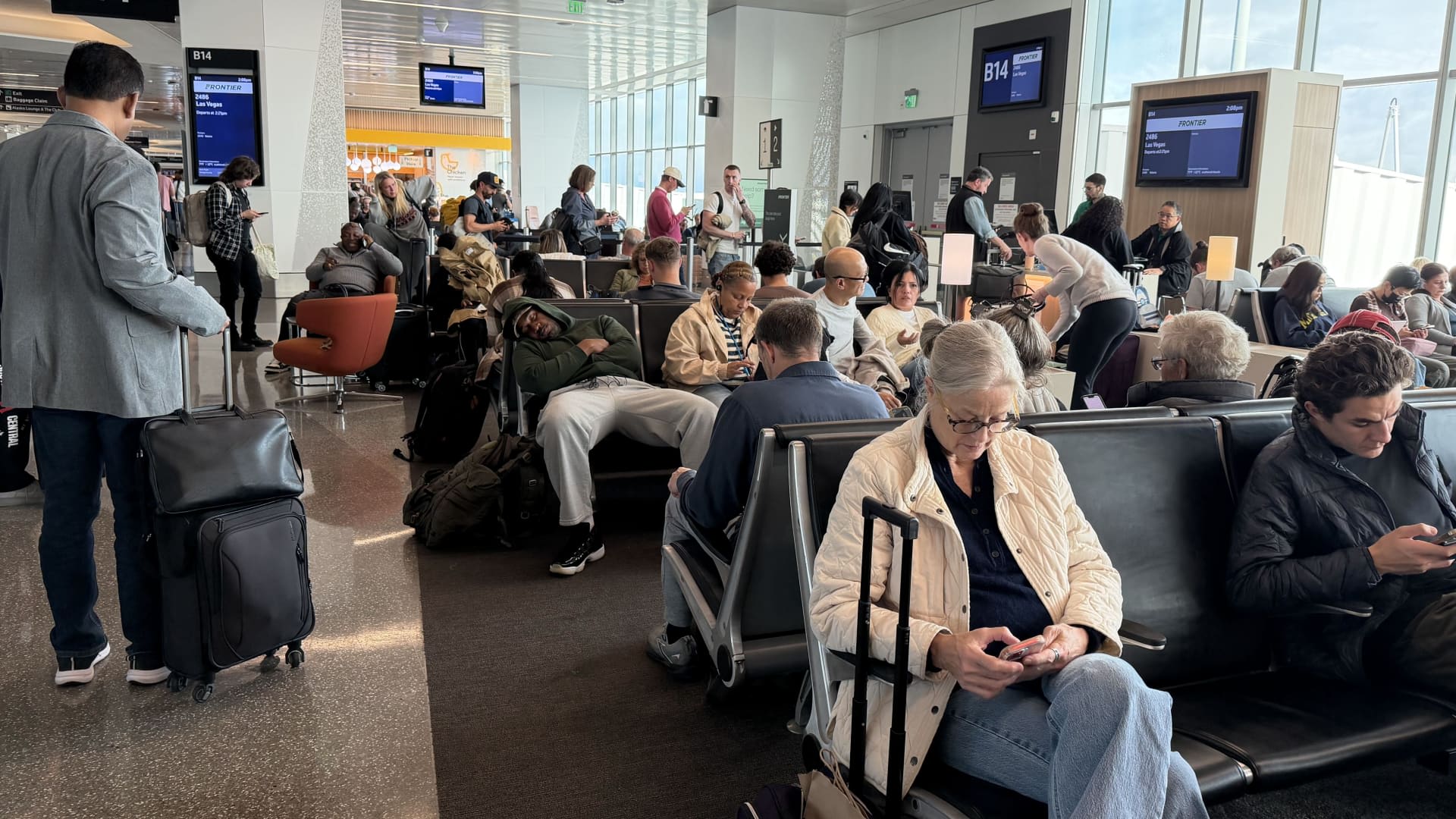
A massive FAA ground stop triggered by aging infrastructure failure caused thousands of flight cancellations and delays across the U.S. In response, the Trump administration is pushing for a $50 billion investment to modernize the nation's air traffic control system.
The U.S. Aviation Crisis: Infrastructure Failure and Recovery
The Anatomy of a Nationwide Ground Stop
On Friday, the United States aviation sector faced its most significant disruption in 25 years when the Federal Aviation Administration (FAA) issued a nationwide ground stop lasting over four hours. This unprecedented halt to departures was reportedly caused by the integration of new technology into antiquated air traffic control equipment. The resulting technical failure led to intermittent communications and radar gaps, necessitating an immediate stop to ensure the safety of the flying public, which the agency maintains is its highest priority.
The Ripple Effect: Delays and Cancellations
While the FAA officially lifted the ground stop at 8:15 p.m. ET on Friday, the operational fallout has been extensive. According to data from FlightAware, the incident resulted in over 6,200 delays and more than 3,400 cancellations as of early Saturday. The recovery process has proven arduous, with more than 2,000 additional flights canceled on Saturday alone. The disruption reached far beyond commercial travelers, forcing professional and college sports teams to scramble for alternative transportation as the logistical gridlock paralyzed transit hubs across the country.
The Burden of Antiquated Systems
This crisis has brought the issue of aging infrastructure to the forefront of national discourse. Officials confirmed that the attempt to modernize systems inadvertently overloaded legacy equipment that was not designed to handle current operational demands. The duration of this ground stop—the longest in a quarter-century—serves as a stark reminder of the technical debt accumulated within the national airspace system, where aging hardware struggles to keep pace with modern digital requirements.
A $50 Billion Call to Action
In the wake of the collapse, the Trump administration has intensified its legislative push, with Transportation Secretary Sean Duffy requesting $50 billion in funding to overhaul the nation's air traffic control infrastructure. The administration has framed this request as an emergency measure, arguing that the system is currently ill-equipped to prevent similar failures in the future. Secretary Duffy contends that without this significant capital injection, the reliability of U.S. airspace remains at risk.
Looking Ahead: Recovery and Future Trends
Despite the current chaos, officials express cautious optimism that the system will return to normal operation in time to manage upcoming peak travel periods, such as the Thanksgiving rush. However, the path to stability is contingent upon both the immediate stabilization of current software and the long-term political will to modernize the backend infrastructure. The incident has effectively shifted the narrative from routine maintenance to a major national security and economic priority, setting the stage for a contentious debate in Congress regarding the necessity and scale of the proposed $50 billion investment.
Multiple Citing Sources