US Air Travel May Return To Normal Today After 3 Days Of Shutdown
Source Entity
NDTV News Search Records Found 1000
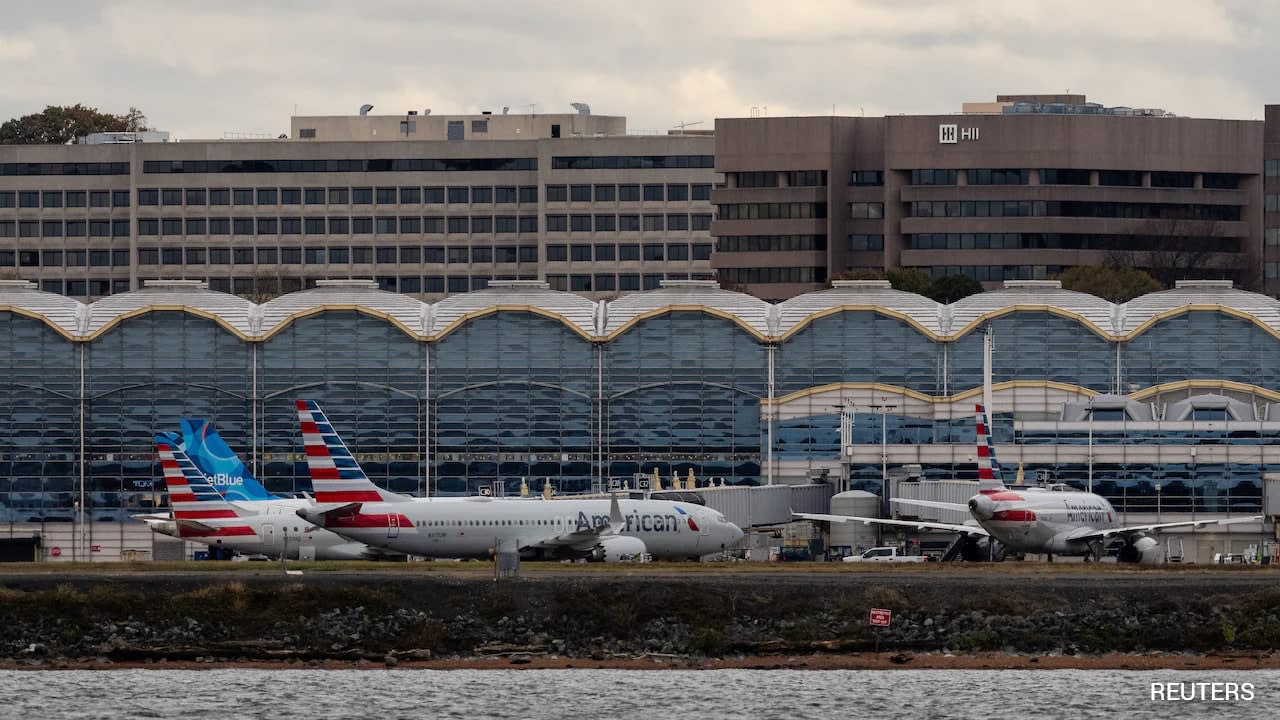
The U.S. aviation sector faces significant disruptions following a major technical failure that necessitated a nationwide ground stop. While flights have resumed, officials warn that scheduling imbalances will continue to cause delays and cancellations through the weekend.
The Anatomy of the FAA Ground Stop Crisis
The United States aviation sector is currently grappling with the aftermath of a catastrophic technical failure that led to a rare, nationwide ground stop. On Friday, the Federal Aviation Administration (FAA) was forced to halt all aircraft departures across the country for over four hours, an event described as the longest nationwide ground stop in 25 years. This unprecedented disruption affected thousands of passengers, grounded over 3,500 planes already in the air at the time of the announcement, and sent shockwaves through the national transportation infrastructure.
Technical Failure and System Vulnerabilities
Initial reports from the Trump administration indicate that the crisis was precipitated by the integration of new technology into the nation's existing air traffic control framework. This modernization attempt reportedly overloaded antiquated legacy equipment, resulting in intermittent communication failures and critical radar gaps. The necessity of this ground stop underscores the fragility of aging infrastructure when subjected to rapid digital upgrades, highlighting a systemic vulnerability that experts have long warned could compromise national transport reliability.
The Ripple Effect: Operational Displacement
While the FAA officially lifted the ground stop at 8:15 p.m. ET on Friday, the operational fallout has proven difficult to contain. As Secretary of Transportation Sean Duffy noted, the core issue is not merely the technical system, but the physical displacement of assets. With thousands of planes and crews out of position, airlines have struggled to normalize schedules. By Sunday, over 5,000 flights were delayed and 2,000 had been cancelled, compounding the frustration of travelers and disrupting logistical chains for professional and college sports teams alike.
Political Implications and Modernization Calls
In the wake of the chaos, President Donald Trump has called upon Congress to prioritize and approve increased funding for the modernization of the air traffic control system. This political push highlights the tension between maintaining operational continuity and the urgent need for long-term capital investment. The event serves as a catalyst for a broader debate on whether the current funding models are sufficient to support the increasingly complex digital requirements of modern civil aviation.
Recovery Outlook and Future Trends
As the FAA continues to test its systems to ensure stability and reliability, officials have suggested that while the immediate crisis is being mitigated, the effects will likely linger. Secretary Duffy has indicated that normal operations may not be fully restored until Monday. Looking forward, the industry faces the challenge of balancing necessary technological upgrades with the requirement for robust redundancy to prevent future nationwide shutdowns. The industry's ability to recover in time for upcoming travel rushes, such as the Thanksgiving period, remains a critical test of the resilience of the U.S. air traffic management network.
Multiple Citing Sources
Verification Required?