Mystery threat puts US bases in Britain on high alert, aircraft shifted
Source Entity
ARYAN SINGH
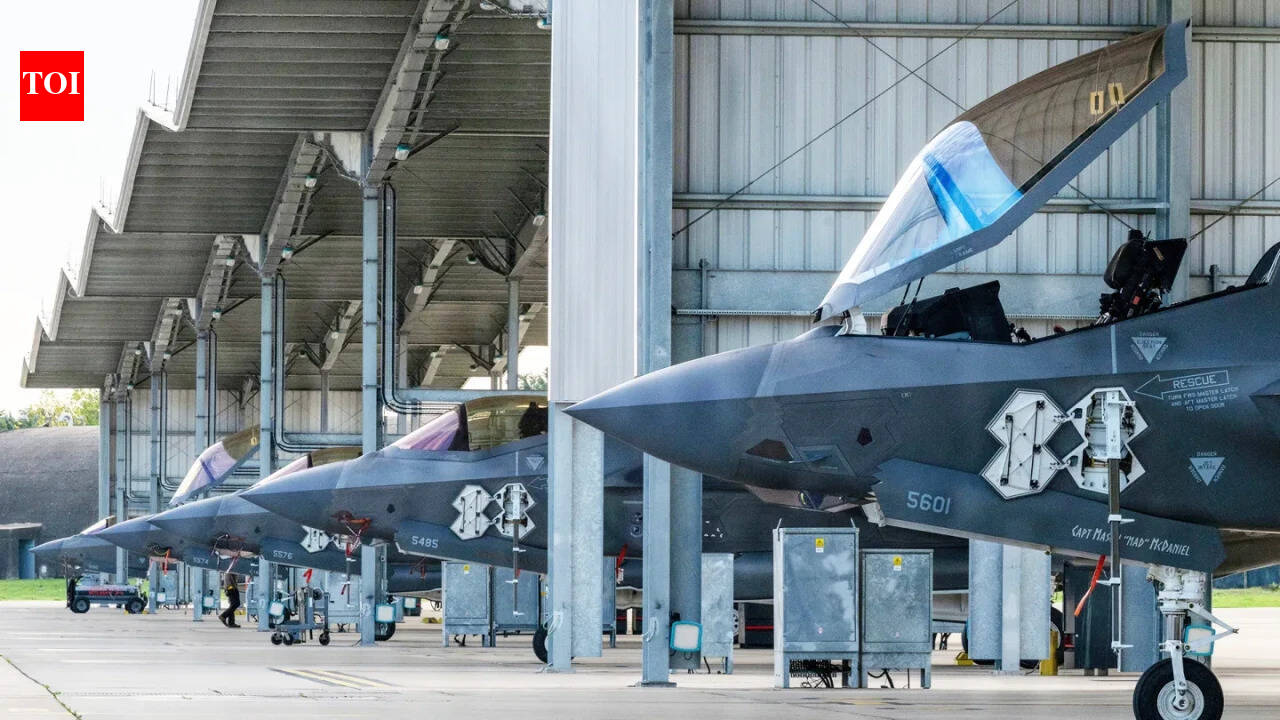
US forces at RAF Mildenhall and Lakenheath have moved to high-alert status following credible threats linked to Iran. Thirteen aircraft were relocated to bases in Europe as a precautionary measure under FPCON Charlie.
Strategic Realignment Amid Elevated Security Threats
The recent security escalation at RAF Mildenhall and RAF Lakenheath in the United Kingdom marks a significant moment in trans-Atlantic defense cooperation. On November 9, U.S. authorities elevated the Force Protection Condition at these installations to 'Charlie,' the second-highest level of alert. This status, which indicates that an incident has occurred or intelligence has been received indicating some form of terrorist action or targeting against personnel or facilities is likely, prompted immediate operational adjustments to safeguard American assets stationed on British soil.
Operational Shifts and Aircraft Relocation
The most visible manifestation of this heightened alert was the rapid relocation of 13 U.S. military aircraft from RAF Mildenhall. Open-source intelligence from the Military Air Tracking Alliance confirmed the departure of KC-135 Stratotankers and CV-22B Ospreys, which were dispersed to alternate bases across Scotland, Spain, and Germany. This calculated movement serves as a defensive posture to minimize the risk of a single-point failure or targeted strike against the U.S. fleet, ensuring that critical refueling and transport capabilities remain operational even if one facility is compromised.
The Role of Intelligence and Iranian Tensions
Reports from major outlets, including the Wall Street Journal and The War Zone, have linked these security measures to specific threats originating from Iran. While U.S. officials have been cautious about disclosing the granular details of the intelligence, the invocation of FPCON Charlie suggests a degree of specificity that warranted immediate action. This development underscores the persistent, evolving nature of threats against Western military installations, which often serve as focal points for geopolitical tensions between the U.S. and regional adversaries.
Force Protection in the Modern Era
The decision to relocate assets rather than simply fortify the perimeter highlights a modern shift in military contingency planning. By dispersing aircraft, the U.S. Air Force mitigates the potential damage from drone threats or sabotage, which have become increasingly prevalent. This strategy reflects a broader trend in European security, where the vulnerability of permanent bases necessitates agile, rapid-response maneuvers to maintain a credible deterrent presence.
Broader Geopolitical Implications
This incident highlights the interconnectedness of U.S. security interests across the globe. Despite the geographical distance from the Middle East, the strategic importance of RAF Mildenhall and Lakenheath as hubs for European theater operations makes them high-value targets. The incident serves as a reminder that the U.S. military's footprint in the UK is not merely a logistical convenience but a vital component of the NATO security architecture that remains susceptible to the ripples of global conflict.
Conclusion and Future Outlook
As the situation remains fluid, the primary objective for U.S. and British authorities is the maintenance of force readiness while investigating the source of the threat. The public has been urged to remain vigilant, reflecting the reality that modern security is a collaborative effort between military forces and the local communities surrounding these bases. Future trends will likely see an increase in base security technology and more frequent, drill-based relocations to test the resilience of U.S. forces against unconventional threats.
Multiple Citing Sources