US citizen arrested for wiping phone at airport; judge allows search without warrant
Source Entity
TOI TECH DESK
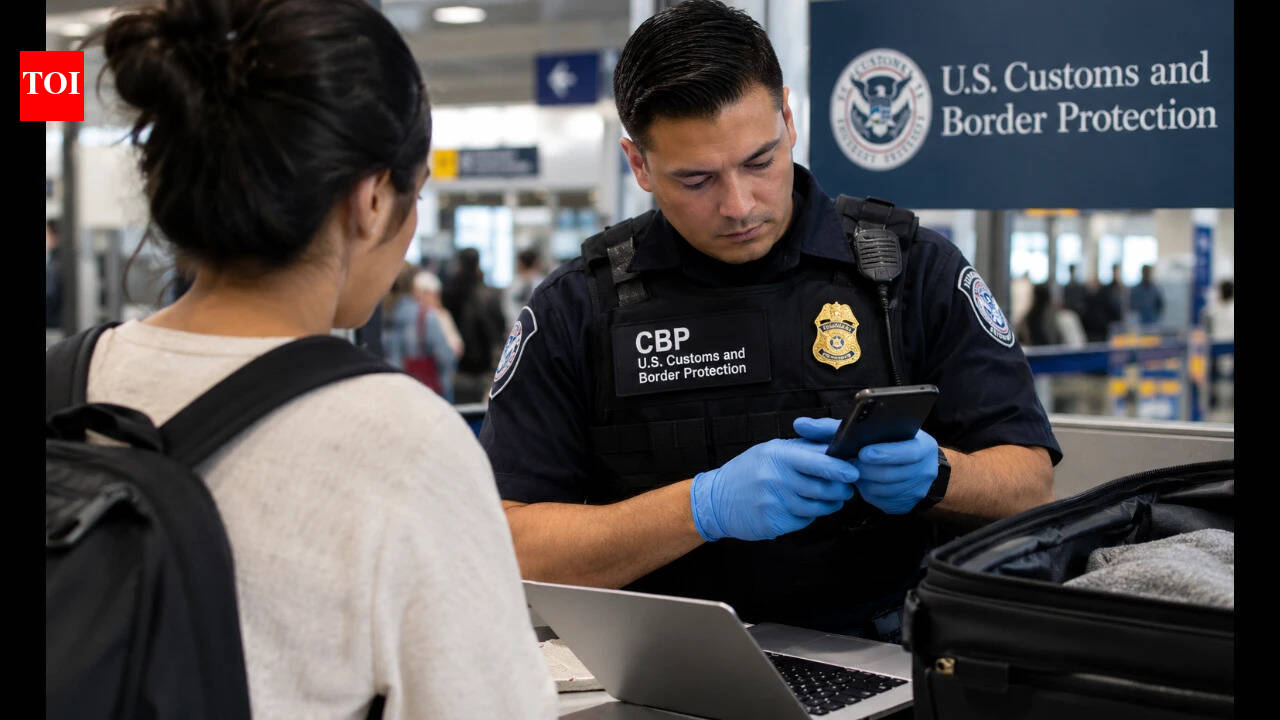
A federal judge has ruled that U.S. border agents can search electronic devices without a warrant, treating them legally like luggage. This decision follows the arrest of Samuel Tunick, who was charged after wiping his phone during a border inspection.
The Expanding Scope of Border Security: Electronic Device Searches
A recent federal court ruling has solidified the authority of U.S. Customs and Border Protection (CBP) to conduct warrantless searches of electronic devices at ports of entry. This decision, which fundamentally alters the expectation of privacy for international travelers, stems from a specific legal case involving Samuel Tunick. Tunick was arrested and faced charges after he reportedly wiped his phone while undergoing a border inspection, an act that prompted a broader judicial examination of how digital privacy intersects with national security protocols.
The Legal Precedent: Digital Devices as Luggage
At the heart of this ruling is the classification of electronic devices under the same legal framework as physical luggage. Historically, the Fourth Amendment has provided robust protections against warrantless searches; however, the 'border search exception' has long allowed authorities to inspect physical belongings without reasonable suspicion to protect national interests. By equating smartphones and laptops to suitcases, the court has effectively extended this exception to cover the vast amounts of personal data contained within modern technology, categorizing digital information as physical property subject to border sovereignty.
The Rationale of U.S. Customs and Border Protection
CBP officials have consistently maintained that the ability to inspect electronic devices is a vital component of modern law enforcement. In an era where digital evidence is often central to illegal activities—ranging from contraband smuggling to human trafficking—CBP argues that these searches are integral to maintaining the integrity of U.S. ports of entry. The agency asserts that the digital landscape requires adaptive enforcement measures, framing the capacity to search devices as a necessary tool to keep the nation safe from evolving threats that cross physical borders.
Implications of the Samuel Tunick Case
The case of Samuel Tunick serves as a cautionary tale regarding the consequences of non-compliance during border inspections. By choosing to wipe his phone during the search process, Tunick triggered legal repercussions that necessitated this judicial clarification. This event highlights the tension between an individual's desire for data privacy and the government's mandate to inspect items crossing international boundaries. It underscores that, under current regulations, refusal or interference with a search can lead to significant criminal charges, regardless of the sensitive nature of the data stored on the device.
Future Trends in Digital Border Security
Looking forward, this ruling is likely to spark continued debate regarding the balance between civil liberties and national security. As technology becomes more deeply integrated into every facet of human life, the volume of data subject to inspection at the border will only increase. We can expect further legal challenges as privacy advocates push for more stringent oversight of these searches. Simultaneously, the government will likely continue to standardize its protocols for handling digital evidence, ensuring that its agents are trained to navigate the complexities of encrypted data and cloud-based storage during the inspection process.
Conclusion: A New Reality for International Travelers
Ultimately, the court's decision represents a definitive shift in the legal landscape of border security. Travelers should be cognizant that the protections typically afforded to their digital lives in the interior of the country do not fully apply at the border. As the distinction between physical luggage and digital storage continues to blur in the eyes of the law, individuals must weigh the realities of current enforcement policies against their personal privacy expectations when crossing international lines.