'Threaten Disenfranchisement': US Court Blocks Trump's Mail Voting Restrictions
Source Entity
NDTV News Search Records Found 1000
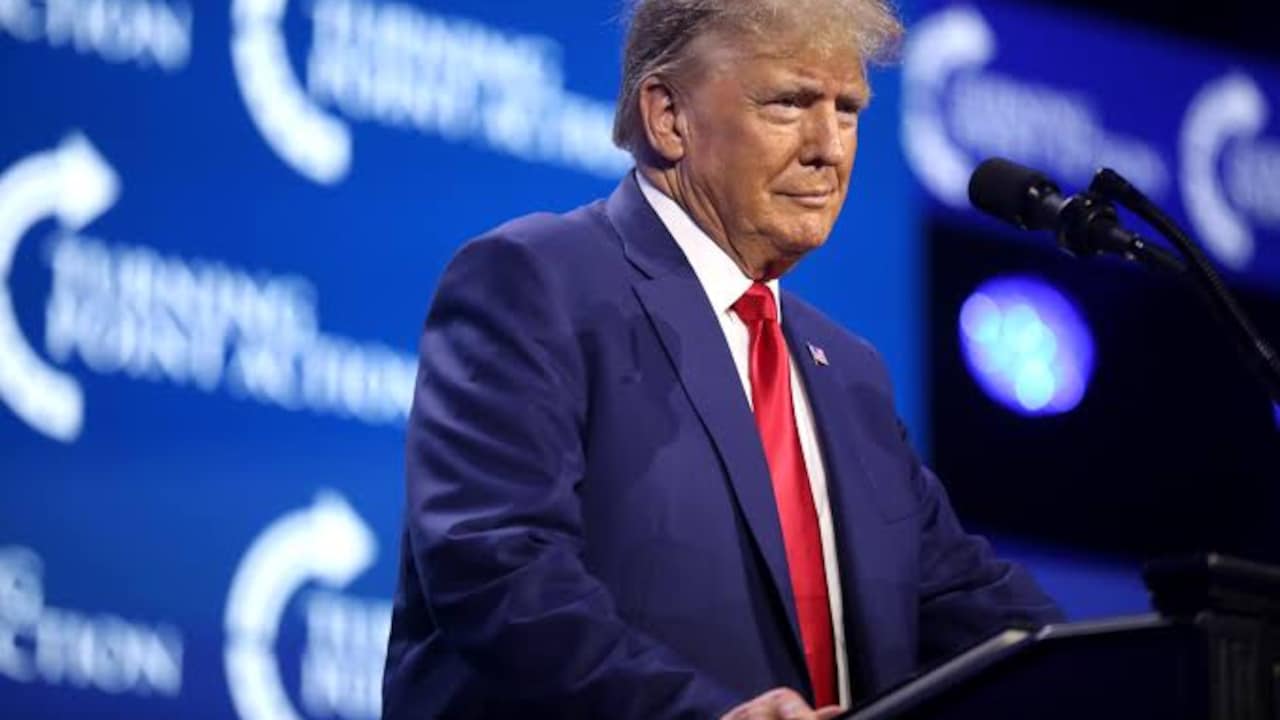
A US court has blocked an executive order signed by Donald Trump in March that sought to restrict mail-in voting. The court ruled that the measure threatened to disenfranchise voters, highlighting ongoing legal battles over election access.
Judicial Intervention in Voting Rights
A federal court has intervened to halt an executive order signed by Donald Trump in March, which aimed to impose significant restrictions on mail-in voting. By blocking the implementation of this order, the judiciary has signaled a firm stance against executive actions perceived as threats to the fundamental democratic process of voter participation. This ruling serves as a critical check on executive power when it intersects with the constitutional right to vote.
The Mechanics of Disenfranchisement
The court’s decision was largely predicated on the potential for widespread disenfranchisement. Mail-in voting has become a cornerstone of modern American electoral infrastructure, providing essential accessibility for voters who cannot reach physical polling stations due to health, work, or logistical constraints. By attempting to restrict these methods, the executive order was viewed by the court as an impediment that would disproportionately affect vulnerable populations, effectively creating systemic barriers to ballot access.
Legal Precedent and Executive Authority
This legal challenge underscores the ongoing tension between executive authority and the constitutional oversight of election administration. Historically, the regulation of elections is a power shared between state legislatures and federal oversight, with courts frequently stepping in to ensure that administrative changes do not infringe upon the Equal Protection Clause. The court's move to block the March order reinforces the legal principle that administrative convenience or policy preference cannot override the constitutional imperative of universal suffrage.
Broader Implications for Election Integrity
The debate over mail-in voting has become a highly polarized issue, with arguments often centering on the balance between election security and voter accessibility. While proponents of the executive order argued for tighter controls to prevent potential fraud, the court’s ruling suggests that the burden of proof for such measures must be high. When restrictions are deemed to threaten disenfranchisement, the judiciary prioritizes the preservation of the democratic franchise over administrative alterations that lack sufficient justification.
Future Trends in Voting Litigation
Looking ahead, this ruling likely sets a precedent for how future executive orders regarding election procedures will be scrutinized. As political discourse continues to emphasize the security of the ballot box, we can expect a continued surge in litigation surrounding voting rights. The judiciary will remain the primary arbiter in these disputes, ensuring that any modifications to voting protocols are not implemented in a manner that disenfranchises citizens or undermines the integrity of the democratic process.
Conclusion
In summary, the court’s decision to block the March executive order is a significant development in the protection of electoral access. By prioritizing the prevention of disenfranchisement, the ruling reaffirms the role of the judicial branch in safeguarding the right to vote against restrictive executive maneuvers. As the nation moves forward, the balance between maintaining secure elections and ensuring broad participation remains a central challenge in the American political landscape.
Verification Required?