Trump announces deal with Denmark giving US 'permanent control over security' in Greenland
Source Entity
Latest News: Todays Latest News Headlines from India & World | Hindustan Times | Hindustan Times
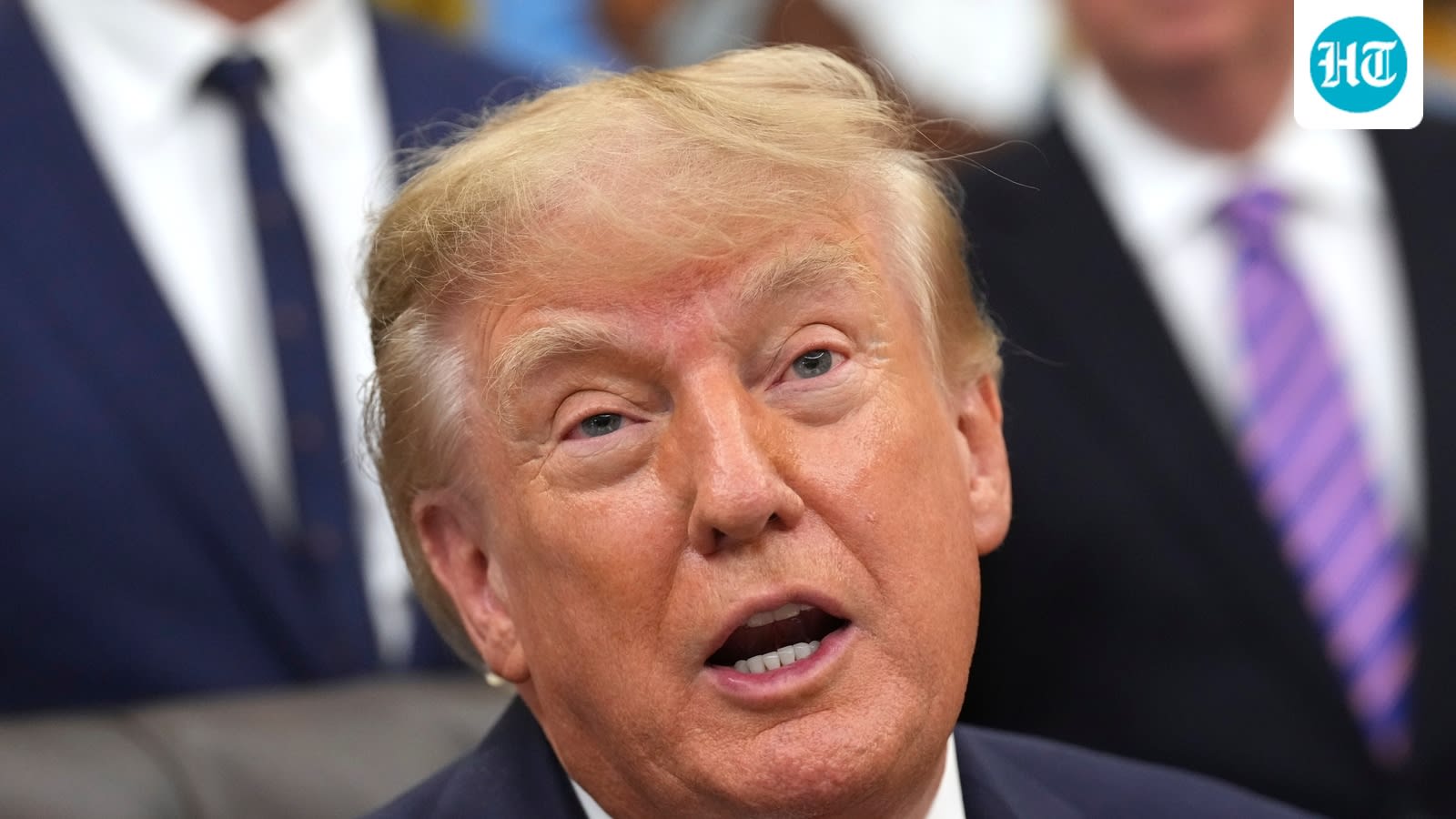
The US, Denmark, and Greenland have reached a security agreement aimed at bolstering Arctic defense and curbing foreign influence. While President Trump claims the deal grants the US permanent security control, Danish officials emphasize a focus on regional stability and Arctic sovereignty.
Strategic Realignment in the Arctic
The announcement of a security agreement between the United States, Denmark, and Greenland marks a significant shift in Arctic geopolitics. Following months of public posturing and discussions regarding the strategic importance of the island, the parties have moved toward a formal framework intended to solidify American military presence and oversight in the North Atlantic. This development comes amid rising global interest in the Arctic, a region increasingly viewed as a critical theater for defense and resource security.
Defining the Scope of 'Security'
President Donald Trump has characterized the agreement as providing the United States with "permanent control over security, and all other needs" within Greenland. This assertion suggests a broad mandate for the U.S. to operate unilaterally to secure the territory against perceived threats. However, the interpretation of this control remains a point of divergence; while the U.S. administration frames it as a comprehensive security guarantee at no cost, Danish leadership has focused on the collaborative nature of the deal, emphasizing that it serves to strengthen the existing security architecture of the Arctic and North Atlantic regions.
The Geopolitical Context: Curbing Adversarial Influence
At the heart of this agreement is a strategic imperative to limit the influence of U.S. adversaries in the Arctic. Reports indicate that the framework is designed to prevent foreign powers from establishing military bases or conducting sensitive investments without American approval. This is widely interpreted as a response to growing Chinese economic and scientific interest in the region, which Washington views as a potential gateway for military encroachment. By securing a firmer grip on Greenland’s security apparatus, the U.S. aims to insulate the region from external competition.
Operational Implications and Autonomy
Despite the rhetoric regarding permanent control, the arrangement is expected to respect the autonomy of Greenland as a Danish territory. The challenge for the signatories will be balancing the expansion of U.S. military capabilities—which may include the potential installation of missile defense systems—with the domestic political sensitivities of Greenlandic citizens. Maintaining this balance is essential to the long-term viability of the agreement, as any perception of colonial-style overreach could destabilize the political rapport between Nuuk, Copenhagen, and Washington.
Future Trends in Arctic Defense
The forthcoming signing of the agreement on the sidelines of the UN General Assembly signals a move toward institutionalizing this new security paradigm. Moving forward, observers should expect increased U.S. military visibility on the island and a more rigorous vetting process for foreign investment in Greenlandic infrastructure. As the Arctic continues to thaw, both physically and geopolitically, this deal serves as a foundational step in the U.S. strategy to maintain its status as the primary security guarantor in the high north.
Multiple Citing Sources
Verification Required?