Dollar dips ahead of US inflation data, supported by rate outlook
Source Entity
Yahoo Finance
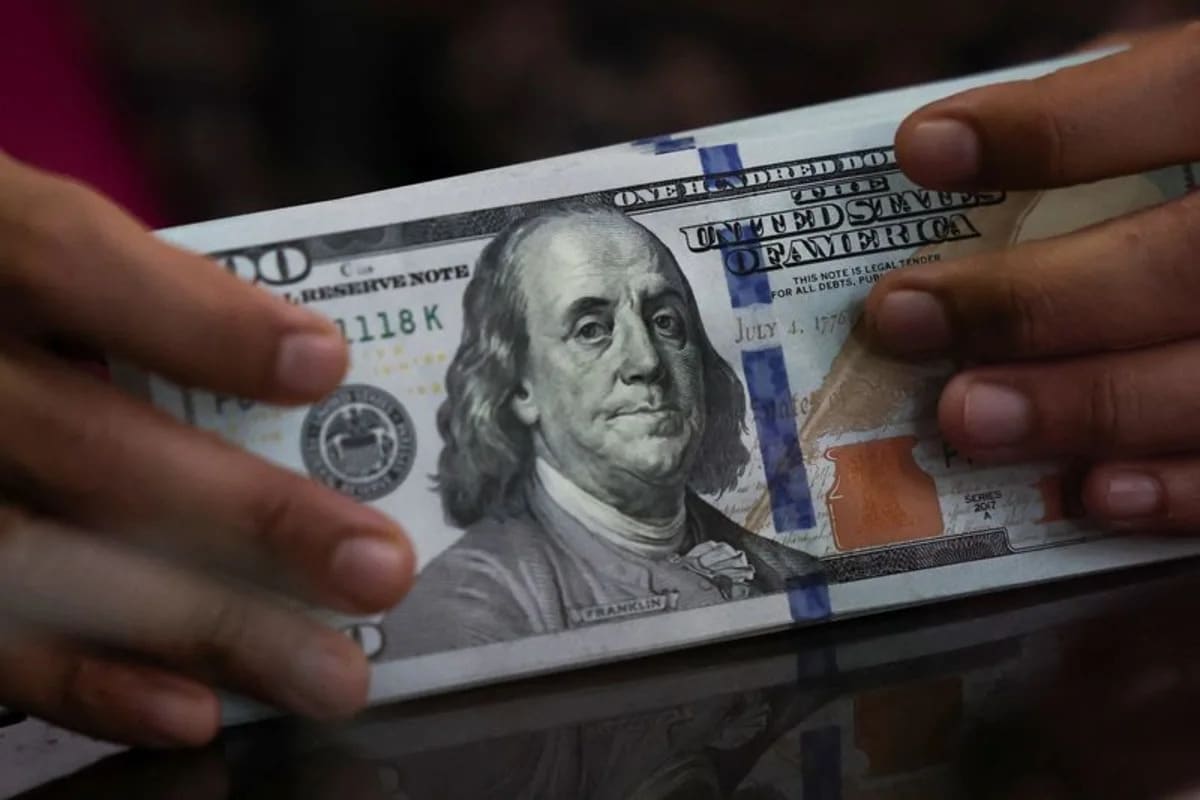
By Amanda Cooper LONDON, July 14 (Reuters) - The dollar remained in sight of 13-month highs on Tuesday ahead of U.S. inflation data, which will come under extra scrutiny as Middle East tensions boost...
Analysis of US Dollar Fluctuations Amid Inflation Expectations
The US dollar is currently navigating a complex landscape of macroeconomic indicators and geopolitical instability. As reported, the currency is hovering near 13-month highs, though it has seen a slight dip as market participants brace for the release of critical US inflation data. This volatility reflects a broader tension between the Federal Reserve's commitment to controlling inflation and the market's desire for a predictable path toward interest rate adjustments.
The Critical Role of Inflation Data
The upcoming inflation data is the primary catalyst for current market sentiment. In the current economic cycle, the Consumer Price Index (CPI) and other inflation metrics serve as the most significant signals for the Federal Reserve's monetary policy. If inflation remains stubbornly high, the Fed is likely to maintain elevated interest rates for longer, which typically strengthens the dollar by attracting foreign investment seeking higher yields. Conversely, a lower-than-expected inflation reading could signal a pivot toward rate cuts, potentially weakening the dollar's dominance.
Interest Rate Outlooks and Currency Valuation
The "rate outlook" mentioned in the report is the cornerstone of the dollar's support. The relationship between interest rates and currency value is direct: higher rates increase the demand for the currency. Investors are currently weighing the probability of "higher for longer" rates against the possibility of a cooling economy. This tug-of-war keeps the dollar near its yearly peaks even during minor dips, as the fundamental expectation remains that the US economy may offer better relative returns than other G7 nations.
Geopolitical Tensions as a Double-Edged Sword
The mention of Middle East tensions adds a layer of complexity to the dollar's trajectory. Traditionally, the US dollar acts as a "safe-haven" asset; during times of global instability, investors flock to the USD for security, driving its value up. However, Middle East instability often leads to spikes in energy prices, particularly crude oil. Since oil is priced in dollars, this can create a feedback loop that further supports the currency, while simultaneously fueling the very inflation that the Federal Reserve is trying to combat.
Market Psychology and the 'Wait-and-See' Approach
The slight dip in the dollar's value is indicative of a tactical retreat by traders. Ahead of high-impact data releases, it is common for institutional investors to reduce their positions to mitigate risk. This "wait-and-see" approach creates a temporary lull in momentum. The fact that the dollar remains "in sight" of 13-month highs suggests that the underlying bullish sentiment remains intact, and the current dip is likely a corrective phase rather than a trend reversal.
Broader Implications for Global Trade
A US dollar maintaining such high levels has significant repercussions beyond US borders. For emerging markets, a strong dollar increases the cost of servicing dollar-denominated debt and can lead to imported inflation as their own currencies weaken. This global imbalance puts pressure on foreign central banks to either raise their own rates to protect their currencies or accept slower economic growth. The intersection of US domestic inflation and global geopolitical strife thus makes the USD a barometer for global economic health.
Conclusion
In summary, the US dollar's current positioning is a reflection of a market in anticipation. While geopolitical tensions provide a floor for the currency via safe-haven demand, the ceiling is determined by the Federal Reserve's reaction to upcoming inflation data. The immediate future of the dollar will depend on whether the data justifies a hawkish or dovish stance, with the broader geopolitical climate serving as a constant, volatile backdrop.