U.S. Energy Helps Cushion Global Supply Shock From Hormuz
Source Entity
Yahoo Finance
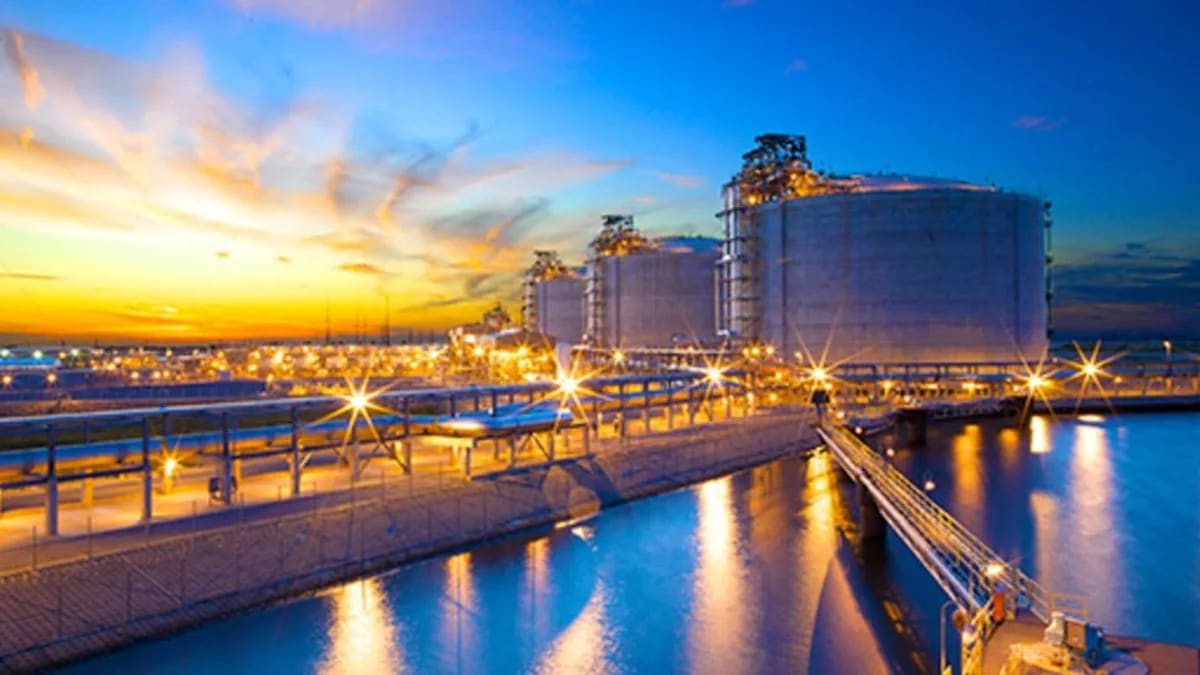
The U.S. energy sector is acting as a global stabilizer following the closure of the Strait of Hormuz, though domestic inventories face strain. Meanwhile, fluctuating oil prices reflect ongoing uncertainty as diplomatic signals between the U.S. and Iran remain contradictory.
The Strait of Hormuz Crisis: A Global Energy Pivot
The closure of the Strait of Hormuz has triggered a significant disruption in global energy markets, forcing refiners and importers to scramble for alternative supplies. As a critical maritime chokepoint, the Strait's inability to facilitate the transit of oil and Liquefied Natural Gas (LNG) has sent shockwaves through the global economy, highlighting the fragility of international energy logistics and the dependence on Middle Eastern shipping lanes.
The Role of U.S. Energy Independence
In the face of this supply shock, the United States has emerged as a vital shock absorber. According to the American Petroleum Institute (API), decades of sustained capital investment—amounting to billions of dollars annually—have culminated in record-breaking American crude oil and natural gas production. This strategic capacity has allowed the U.S. to mitigate the immediate fallout of the Hormuz closure, effectively functioning as the world’s primary energy stabilizer by filling the void left by restricted Middle Eastern exports.
Domestic Strains and Inventory Depletion
However, this role as a global stabilizer is not without domestic consequences. The consistent export demand has placed significant pressure on the U.S. energy system. Current data indicates that American inventories of crude oil and petroleum products have fallen below the five-year average for this period. This tightening of reserves leaves the U.S. with narrow margins to maneuver should the crisis in the Strait of Hormuz persist or escalate, raising concerns about the long-term sustainability of maintaining such high export volumes while domestic needs remain high.
Market Volatility and Diplomatic Impasse
Financial markets are reflecting this uncertainty, with U.S. stock futures showing minimal movement as investors brace for future inflation data. The volatility in the oil market is directly tied to the diplomatic stalemate between Washington and Tehran. While the U.S. has occasionally suggested that a deal to reopen the passage is near, Iranian Foreign Minister Abbas Araghchi has explicitly stated that no direct talks are occurring to end the current hostilities. This disconnect has caused Brent crude and West Texas Intermediate (WTI) futures to trend upward, as traders account for the high probability of a prolonged closure.
Broader Implications and Future Trends
Looking forward, the situation remains highly fluid. The mixed signals regarding potential negotiations suggest that energy prices will likely remain elevated and volatile. If the diplomatic impasse continues, the U.S. will face a difficult choice: continue to export to support global stability at the risk of further depleting domestic inventories, or prioritize local energy security. Ultimately, this event serves as a stark reminder of the geopolitical risks inherent in global energy supply chains and the ongoing importance of U.S. production capacity in maintaining global economic equilibrium.