Satellite imagery shows Russia adapting submarine defences amid drone threats
Source Entity
TOI DEFENCE DESK
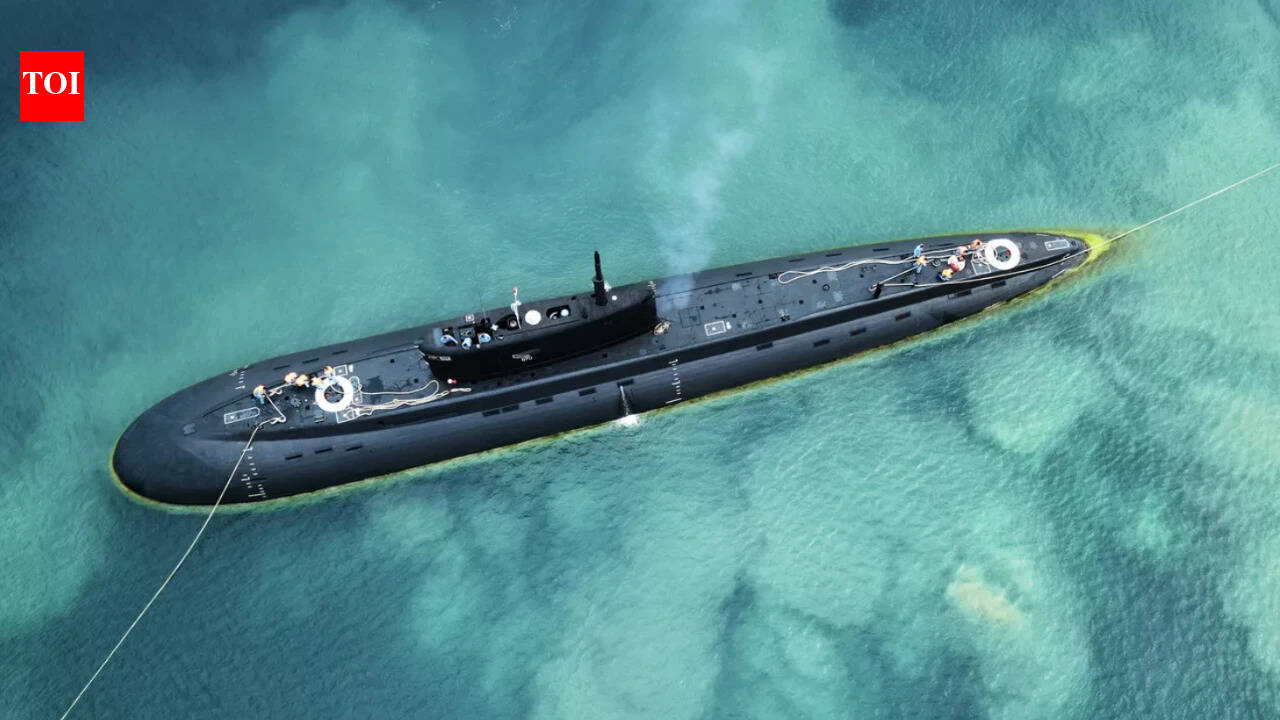
Recent satellite imagery confirms Russia is installing anti-drone 'grills' on its Project 636.3 Varshavyanka-class submarines. This tactic, observed in Novorossiysk Bay, reflects a strategic shift to protect naval assets from aerial drone threats.
Russia's Evolving Naval Defense Strategy
Recent high-resolution satellite imagery has provided critical insight into the changing maritime defensive posture of the Russian Black Sea Fleet. Specifically, observations from Novorossiysk Bay reveal that Russia is implementing a dual-layered approach to protect its Project 636.3 Varshavyanka-class submarines from the increasing threat of aerial drone attacks. The deployment of physical anti-drone "grills" atop these vessels marks a significant departure from traditional naval camouflage and hardening techniques.
The Mechanics of the "Grill" Defense
The installation of these metal structures, often referred to as "cope cages" in other military contexts, is designed to neutralize the effectiveness of explosive-laden drones. By creating a standoff distance between the drone's point of impact and the submarine's pressure hull or sensitive deck equipment, these grills aim to trigger detonation prematurely. While these structures are unconventional for naval vessels, their presence on the 636.3 class highlights the urgent necessity felt by Russian naval commanders to mitigate vulnerabilities in a theater where aerial surveillance and precision strikes have become ubiquitous.
Tactical Deployment and Submersion
Beyond the physical grills, the satellite imagery confirms that the Russian Navy is utilizing partial submersion as a secondary defense mechanism. By altering the buoyancy of the submarines in the harbor, the vessels can reduce their observable profile and protect vulnerable upper-deck components. This combination of static physical barriers and active buoyancy management suggests a high level of concern regarding the persistent threat posed by long-range drone technology in the Black Sea region.
Historical Context and Comparative Analysis
The use of makeshift defensive measures on high-value military assets is not entirely new; however, applying them to the advanced Varshavyanka-class submarines—a platform historically prized for its stealth and "Black Hole" acoustic signature—is noteworthy. This shift indicates that the threat environment has outpaced the original defensive design specifications of these vessels. It reflects a broader trend in modern warfare where even the most sophisticated conventional platforms must adapt to the low-cost, high-frequency threats posed by asymmetric drone warfare.
Future Trends in Naval Warfare
Looking ahead, this development suggests that naval ports will continue to evolve into heavily fortified "hardened" zones. We can expect to see further experimentation with passive defenses, such as netting, decoy positioning, and advanced electronic warfare suites, integrated directly into harbor infrastructure. As satellite surveillance becomes more accessible, the "cat-and-mouse" game between drone operators and naval defenders will likely drive a permanent change in how navies secure their assets while in port, prioritizing drone-proofing as a standard operational requirement.
Conclusion
In summary, the documented modifications to the Russian submarine fleet in Novorossiysk Bay are a direct response to the operational realities of the current conflict. By combining physical hardening with tactical submersion, the Russian Navy is attempting to preserve its strategic capabilities against an agile and persistent aerial threat. This evolution in naval defensive doctrine underscores the transformative impact that drone technology continues to exert on traditional maritime operations.