Why Bangladesh’s Tarique Rahman government can’t ignore Sheikh Hasina
Source Entity
Sanjay K Bhardwaj
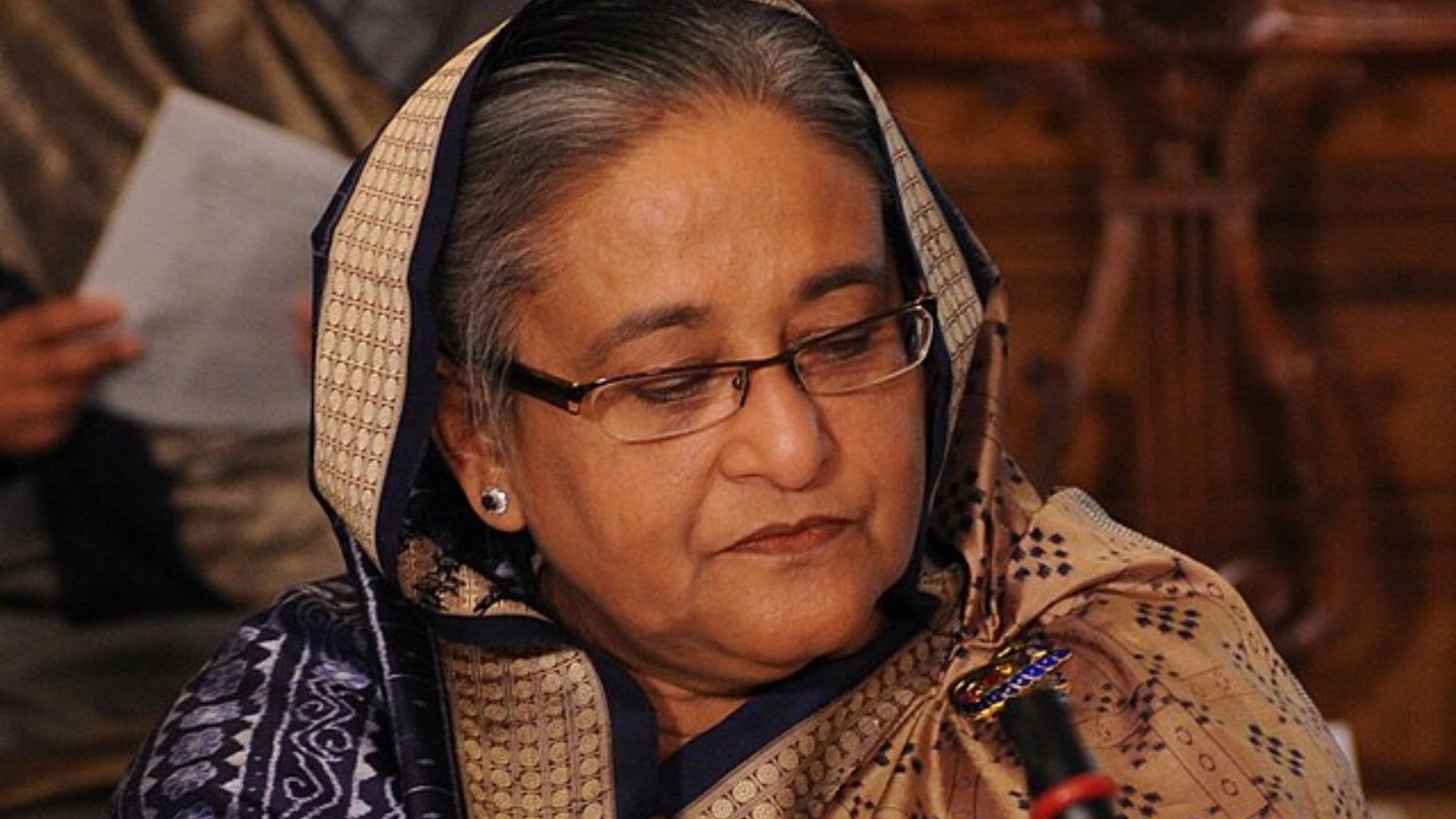
Former Prime Minister Sheikh Hasina has signaled her intent to return to Bangladesh, challenging the current political landscape. Meanwhile, India-Bangladesh relations face a critical juncture as trade dynamics and regional cooperation shift.
The Resurgence of Sheikh Hasina and the Future of Bangladesh
The recent virtual address by former Prime Minister Sheikh Hasina, hosted by the Foreign Correspondents’ Club in New Delhi, marks a pivotal moment in the current political climate of Bangladesh. By explicitly stating her intention to return to the country and expressing a willingness to face potential risks, Hasina has effectively challenged the current administration under Tarique Rahman. This move serves as both a political statement and a strategic assessment of her remaining support base, leveraging her historical narrative as a leader who has weathered repeated exile and assassination attempts.
Historical Context and Political Resilience
Hasina’s rhetoric heavily invokes the legacy of her father, Bangabandhu Sheikh Mujibur Rahman, and the foundational spirit of the 1971 Liberation War. By drawing parallels between her current situation and her past experiences—such as her exile in the 1980s and the 2007 standoff with the army-backed caretaker government—she is framing her potential return not as a mere political comeback, but as a continuation of her life's work. This historical framing is designed to resonate with supporters who view her trajectory as inextricably linked to the sovereignty and identity of Bangladesh.
The Shifting Landscape of India-Bangladesh Relations
Beyond domestic politics, the relationship between New Delhi and Dhaka is undergoing a significant transformation. The 'sonali adhyay' (golden phase) of bilateral ties, which defined the post-1971 era, currently faces profound constraints. The political economy of regional cooperation, once bolstered by deep trust and shared objectives, is now being tested by a new reality where political baggage threatens to overshadow decades of progress in cross-border connectivity and energy interdependence.
Economic Realignment and Trade Dynamics
Economic data from the post-Hasina period reveals a notable shift in Bangladesh’s trade patterns. While India remains a principal trade partner, there has been a documented decline in imports from India, contrasted by an increase in imports from China and Malaysia. This realignment suggests that the current administration is diversifying its economic dependencies, which presents a challenge to India’s long-standing influence in the region and complicates the future of bilateral trade agreements.
Energy Cooperation as a Stabilizer
Despite these political and trade fluctuations, energy cooperation remains a critical pillar of bilateral interdependence. Projects such as the Maitree Super Thermal Power Plant represent the material reality of the two nations' ties. This energy connectivity is not merely transactional; it acts as a stabilizing force that prevents a total decoupling of the two economies, even as the political relationship undergoes a period of necessary recalibration.
Future Trends and Regional Stability
Looking ahead, the stability of the region will depend on how the Tarique Rahman government manages these shifting alliances and the looming prospect of Hasina’s return. The risk of reversal in the bilateral relationship is high, but the necessity of sustained cooperation—particularly in energy and trade—provides a narrow path for a 'reset.' Success will require both nations to move past historical baggage and focus on a pragmatic, interest-based engagement that acknowledges the new geopolitical realities in South Asia.