Syria Says Reached Deal With Moscow On 2 Russian Bases
Source Entity
NDTV News Search Records Found 1000
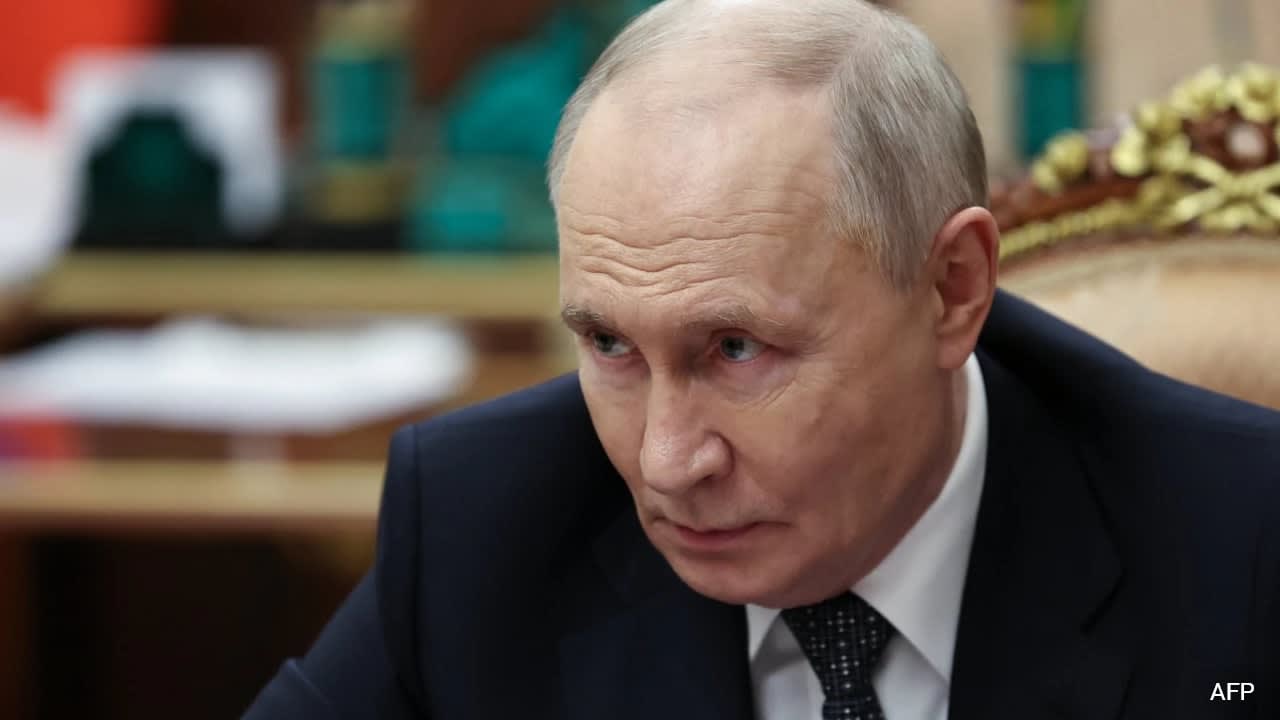
Syrian officials have announced a new agreement to expand Russia's military presence through the acquisition of two additional bases. Moscow has remained silent on the development, leaving the specific terms and operational scope of the deal unconfirmed.
Strategic Expansion: Russia's Growing Footprint in Syria
The announcement by Syrian authorities regarding a deal to host two additional Russian military bases marks a significant development in the ongoing geopolitical realignment of the Levant. While the specific locations and operational mandates of these facilities remain undisclosed, the move suggests a deepening of the security architecture that has defined the relationship between Damascus and Moscow since the intervention began in 2015.
The Geopolitical Calculus
For the Syrian government, formalizing the presence of more Russian military assets serves as a critical deterrent against internal and external threats. By anchoring their sovereignty to the military might of a permanent UN Security Council member, Damascus aims to solidify its control over contested territories. This strategic reliance on Moscow has been the cornerstone of the government's survival strategy for nearly a decade, transforming Syria into a vital projection point for Russian influence in the Mediterranean.
The Silence from Moscow
Notably, the Kremlin has yet to officially comment on the agreement, a development that warrants cautious analysis. This silence may indicate a preference for strategic ambiguity, allowing Moscow to maintain flexibility in its regional negotiations with other powers like Turkey, Iran, and the United States. Alternatively, it could reflect ongoing bureaucratic processes or the sensitivity of the military logistics required to operationalize new installations in a volatile environment.
Historical Context and Regional Implications
Historically, Russia’s presence in Syria has been centered on the Tartus naval facility and the Hmeimim airbase. These sites have provided Moscow with a warm-water port and a tactical foothold that challenges the traditional dominance of NATO forces in the Eastern Mediterranean. The addition of two new bases would signify an expansion of this capability, potentially extending Russia’s reach for intelligence gathering, air superiority, and naval logistics across the region.
Future Trends in Regional Stability
Looking forward, the establishment of these bases will likely influence the regional balance of power. As Russia expands its footprint, other regional actors will be forced to recalibrate their own security policies. The international community will be closely watching whether these new facilities are intended for counter-terrorism operations or if they represent a more permanent shift toward a larger, multi-service Russian command center in the Middle East. The lack of official confirmation from the Kremlin leaves the ultimate scope of this expansion open to interpretation, making it a focal point for future diplomatic discourse.
Verification Required?