Monumental neglect in Delhi
Source Entity
Latest News: Todays Latest News Headlines from India & World | Hindustan Times | Hindustan Times
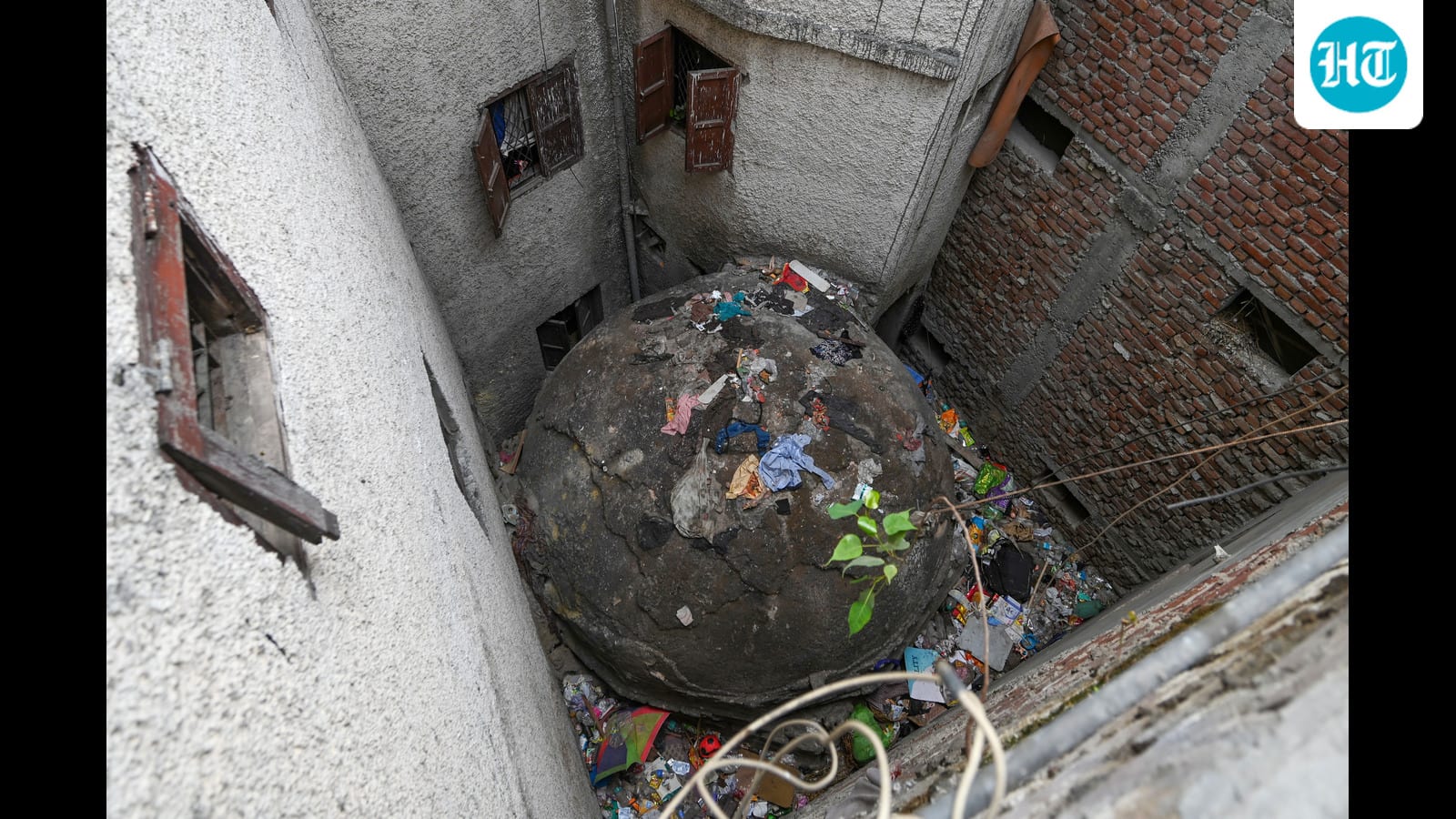
Delhi's Lodhi-era tombs are facing severe threats from urban encroachment and systemic regulatory failure. This negligence highlights the ongoing conflict between preserving historical heritage and managing the rapid expansion of a modern, densely populated capital.
The Crisis of Heritage Conservation in Delhi
Delhi stands as a unique historical palimpsest, a capital that has served as the seat of power for successive empires, each leaving behind architectural markers of their dominance. Among these, the Lodhi-era tombs represent a critical intersection of history and modern urban survival. However, current reports indicate these structures are suffering from severe neglect, underscored by the encroachment of surrounding human settlements. This juxtaposition of the 'inert' monument and the 'mobile' migrant population creates a landscape where historical preservation is frequently sacrificed at the altar of urban necessity.
The Anatomy of Urban Encroachment
The encroachment on these four specific Lodhi-era sites is not an isolated incident but a symptom of deeper systemic failures. As the city population grows, the demand for housing pushes residents into every available space, including the protected zones surrounding ancient ruins. The report notes that sketchy definitions, lax regulation, and limited implementation of heritage protection laws have provided a vacuum in which such illegal expansion thrives. Without rigorous enforcement, these monuments are slowly being swallowed by tenements and commercial structures, erasing the physical context of their historical significance.
Historical Significance vs. Modern Utility
The tension between the past and the present in Delhi is profound. While the nation takes immense pride in its historical identity, the practical application of conservation efforts remains inconsistent. The tombs are not merely stone structures; they are records of a specific architectural lineage that defined the transition into the Mughal era. When these sites are neglected, the city loses more than just buildings—it loses the tangible evidence of its evolution. The clash between the need for affordable living space and the duty to protect cultural assets illustrates a failure to integrate heritage management into urban planning.
Regulatory Gaps and Policy Implications
The current state of these tombs reflects a lack of coordination between municipal authorities and archaeological bodies. The 'sketchy definitions' mentioned in the reports imply that legal protections are either too vague to be actionable or are ignored due to political pressure and the sheer scale of urban density. For effective preservation, there must be a shift from passive observation to active, enforced zoning that clearly demarcates heritage sites from residential development. Without this, the administrative machinery remains a spectator to the gradual destruction of the city's historical fabric.
Future Trends and Concluding Thoughts
Looking ahead, Delhi faces a difficult path. If the current trend of encroachment continues, the city risks turning its historical monuments into mere footnotes buried beneath the urban sprawl. The future of these Lodhi-era tombs depends on whether authorities can balance the legitimate housing needs of the migrant population with the non-negotiable requirement of heritage conservation. True progress requires a holistic approach that treats monuments as integral parts of the city’s identity rather than obstacles to its growth. Failure to act now will ensure that the 'visible history' described by George Eliot will eventually be rendered invisible by the pressures of a modern, unregulated metropolis.
Verification Required?