In a first, US F-35 fighters to take part in IAF exercise
Source Entity
SURENDRA SINGH
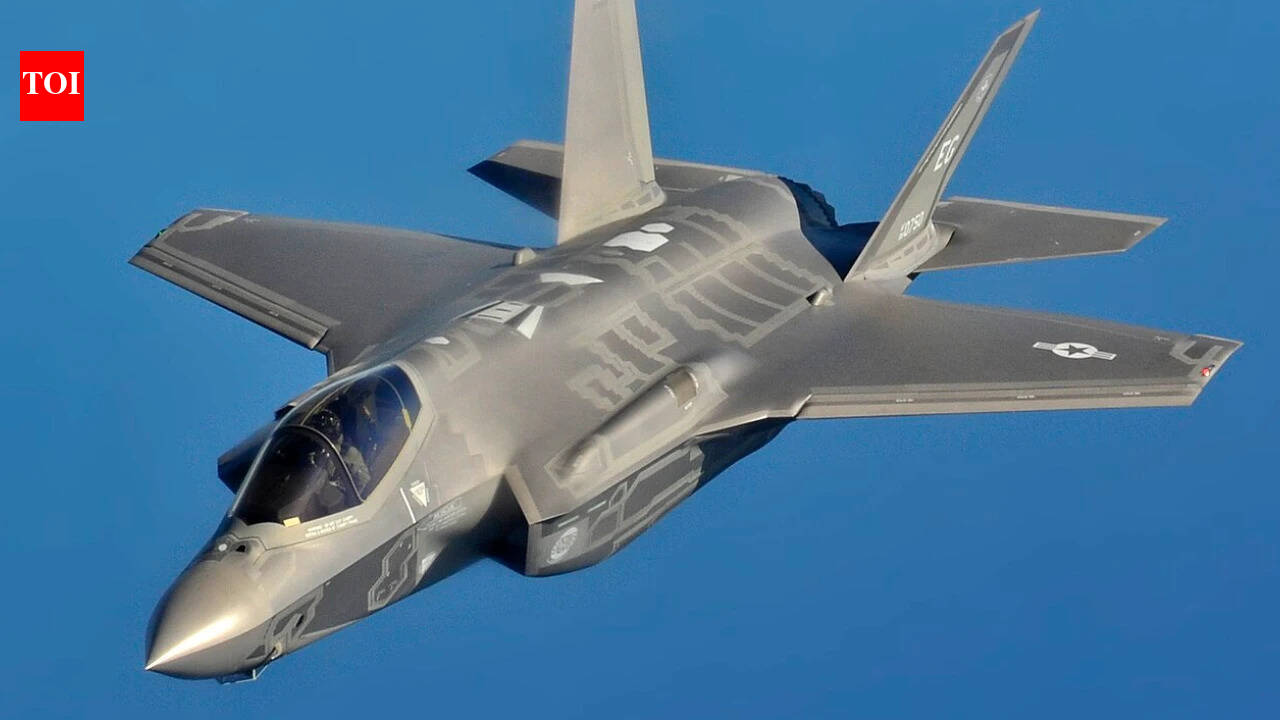
The US will deploy F-35 stealth fighters to India's 'Tarang Shakti 2026' exercise in Jodhpur. This marks a historic milestone in bilateral defense cooperation, while the IAF also prepares for the upcoming induction of the indigenous Tejas Mk1A jets.
A Milestone in Indo-US Strategic Defense Cooperation
The announcement that the United States will deploy its fifth-generation F-35 Lightning II stealth fighters to the Indian Air Force’s (IAF) multinational combat exercise, 'Tarang Shakti 2026', marks a significant evolution in the strategic partnership between New Delhi and Washington. Scheduled to take place in Jodhpur from September 26 to October 12, 2026, this deployment represents the first time these advanced platforms will participate in an Indian-hosted exercise, signaling a deepening of interoperability and trust between the two nations' air forces.
Understanding the F-35's Global Strategic Footprint
The Lockheed Martin-manufactured F-35 is widely considered the gold standard of modern aerial warfare. While Russia and China possess their own fifth-generation platforms—such as the Su-57 and the Chengdu J-20—the F-35 remains the only stealth fighter with a proven track record of extensive combat deployment. From operations in Afghanistan and Syria to more recent regional conflicts in Gaza, Lebanon, and Yemen, the aircraft has solidified its position as the backbone of US and allied air superiority. Its presence in Jodhpur provides the IAF with a rare, invaluable opportunity to train alongside the world's most capable stealth technology.
Modernizing the IAF Fleet
Beyond the international collaboration, the IAF is concurrently focused on domestic modernization efforts. Air Marshal Ashutosh Dixit, Vice Chief of Air Staff, has indicated that the induction of the indigenous Tejas Mk1A fighter jets is expected within the next month or two. This transition is critical for the IAF, as it seeks to replace aging Soviet-era platforms with a platform that offers modern radar, electronic warfare capabilities, and advanced avionics, effectively bridging the gap toward self-reliance in aerospace manufacturing.
The Geopolitical Significance of Tarang Shakti
The 'Tarang Shakti' series has become a cornerstone of India's defense diplomacy, designed to foster collaboration and share best practices among global air forces. By inviting the US to bring its most sophisticated assets, India is signaling its role as a key security provider in the Indo-Pacific region. This exercise serves as a platform to demonstrate the growing synergy between the IAF’s operational requirements and the capabilities offered by its strategic partners.
Future Trends in Air Combat
Looking ahead, the inclusion of fifth-generation fighters in multinational exercises will likely become the standard for high-end combat training. As the IAF continues its modernization roadmap, the insights gained from interacting with the F-35 will be instrumental in shaping future procurement strategies and tactical doctrine. The combination of integrating indigenous platforms like the Tejas Mk1A while simultaneously engaging with top-tier global technology suggests a multi-pronged approach to maintaining regional air superiority in a rapidly evolving geopolitical environment.
Conclusion
In summary, the participation of the US F-35 in Tarang Shakti 2026 is a watershed moment for the IAF. It not only bolsters the existing defense framework between India and the US but also serves as a catalyst for the modernization of the domestic fleet. As India moves closer to the induction of the Tejas Mk1A, the lessons learned from the presence of the F-35 will undoubtedly play a pivotal role in the future of the Indian Air Force's operational readiness.