UNGA: See Zelensky & Denmark PM react as Trump taunts NATO ally on Greenland, Says this on Russia…?
Source Entity
Latest News: Todays Latest News Headlines from India & World | Hindustan Times | Hindustan Times
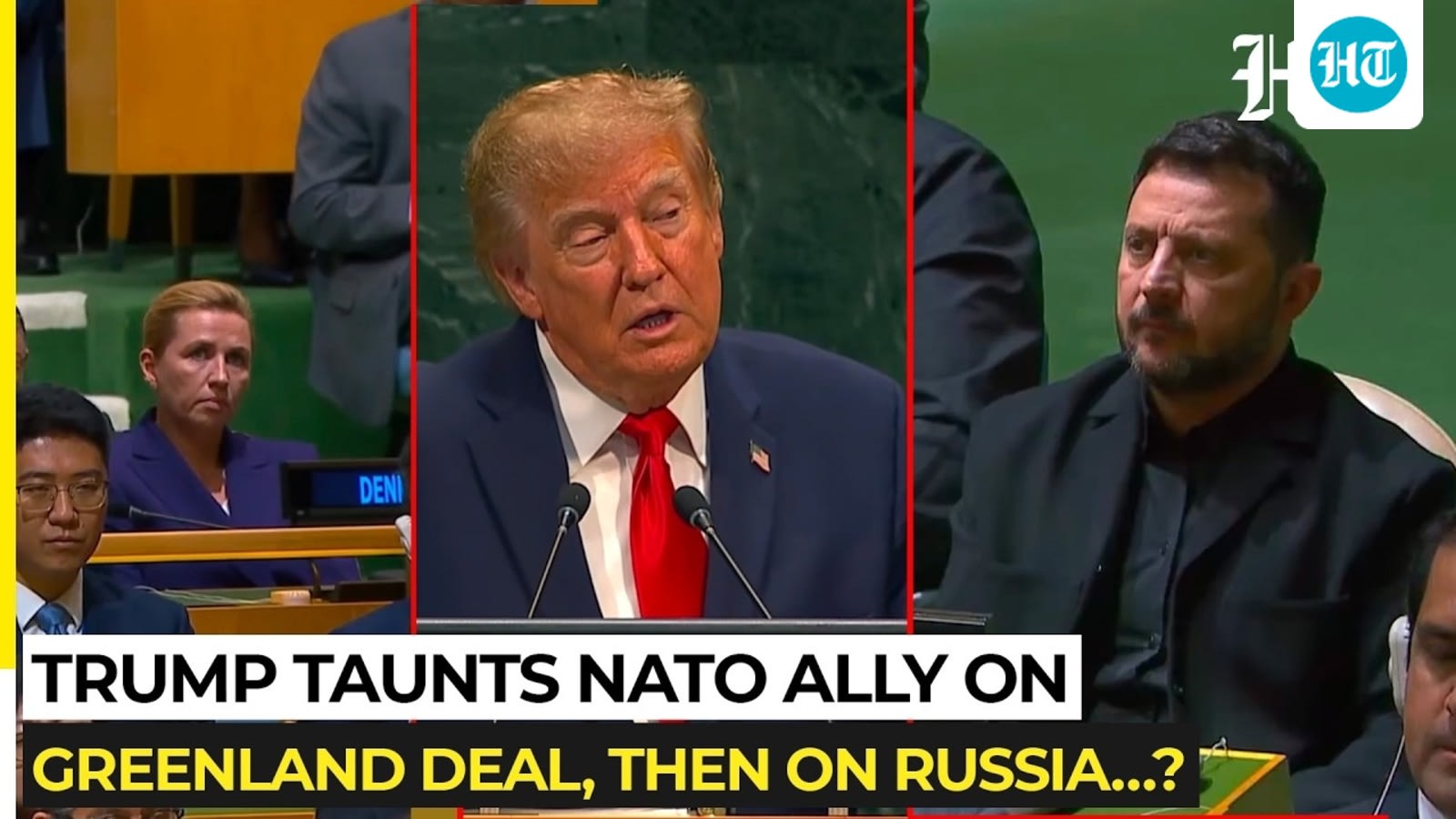
The US, Denmark, and Greenland have signed a security agreement to resolve tensions regarding the Arctic territory. The deal allows for the expansion of US military infrastructure while upholding Danish sovereignty.
A New Chapter in Arctic Security
The signing of a trilateral security agreement between the United States, Denmark, and Greenland marks a significant diplomatic resolution to months of escalating tension. Negotiated over several months, the deal comes as a direct response to previous rhetoric regarding the status of the Arctic territory. By formalizing this arrangement on the sidelines of the United Nations General Assembly, the involved parties have sought to transform a period of uncertainty into a structured, long-term strategic partnership.
Expanding the Military Footprint
At the core of this agreement is the expansion of the United States' military capabilities within the Arctic circle. President Donald Trump announced the establishment of two major military bases, a move intended to bolster the defense posture of the US, Europe, and the NATO alliance. This development builds upon the foundation of a 1951 US-Danish pact, modernizing the defense framework to address contemporary geopolitical challenges in the North Atlantic.
Sovereignty and Strategic Importance
While the agreement grants Washington an expanded military footprint, it is careful to maintain Danish sovereignty over the territory. This balance is critical, as it addresses the core tension that arose when the prospect of US control over Greenland was first publicly floated. By framing the territory as strategically vital for regional security, the agreement legitimizes the increased US presence as a collaborative effort rather than a unilateral acquisition.
Implications for Greenland’s Self-Determination
This deal raises complex questions regarding the future of Greenland’s self-determination and its role as an autonomous Danish territory. While the security pact provides stability, it also integrates the island more deeply into the broader US defense network. Observers are now looking toward how this increased military presence will influence Greenland’s internal governance and its relationship with foreign investors who may have interests in the island’s resources.
Future Trends in Arctic Geopolitics
Looking ahead, the establishment of these bases signals a shift in how the Arctic is perceived by global powers. As climate change opens new maritime routes and resource opportunities, the Arctic is increasingly seen as a theater of competition. This agreement suggests that the US intends to remain a permanent, active player in the region, prioritizing security and surveillance as foundational elements of its Arctic policy.
Conclusion
In summary, the agreement represents a pragmatic compromise that satisfies the US need for strategic positioning while respecting the territorial integrity of Denmark. By moving from a period of public confrontation to a signed security framework, the three nations have effectively recalibrated their diplomatic relationship. The success of this deal will ultimately depend on how effectively the signatories navigate the dual requirements of military expansion and respect for Greenland’s evolving political status.
Multiple Citing Sources
Verification Required?