Oil falls after U.S. and Iran talk for hours at UN meeting
Source Entity
US Top News and Analysis
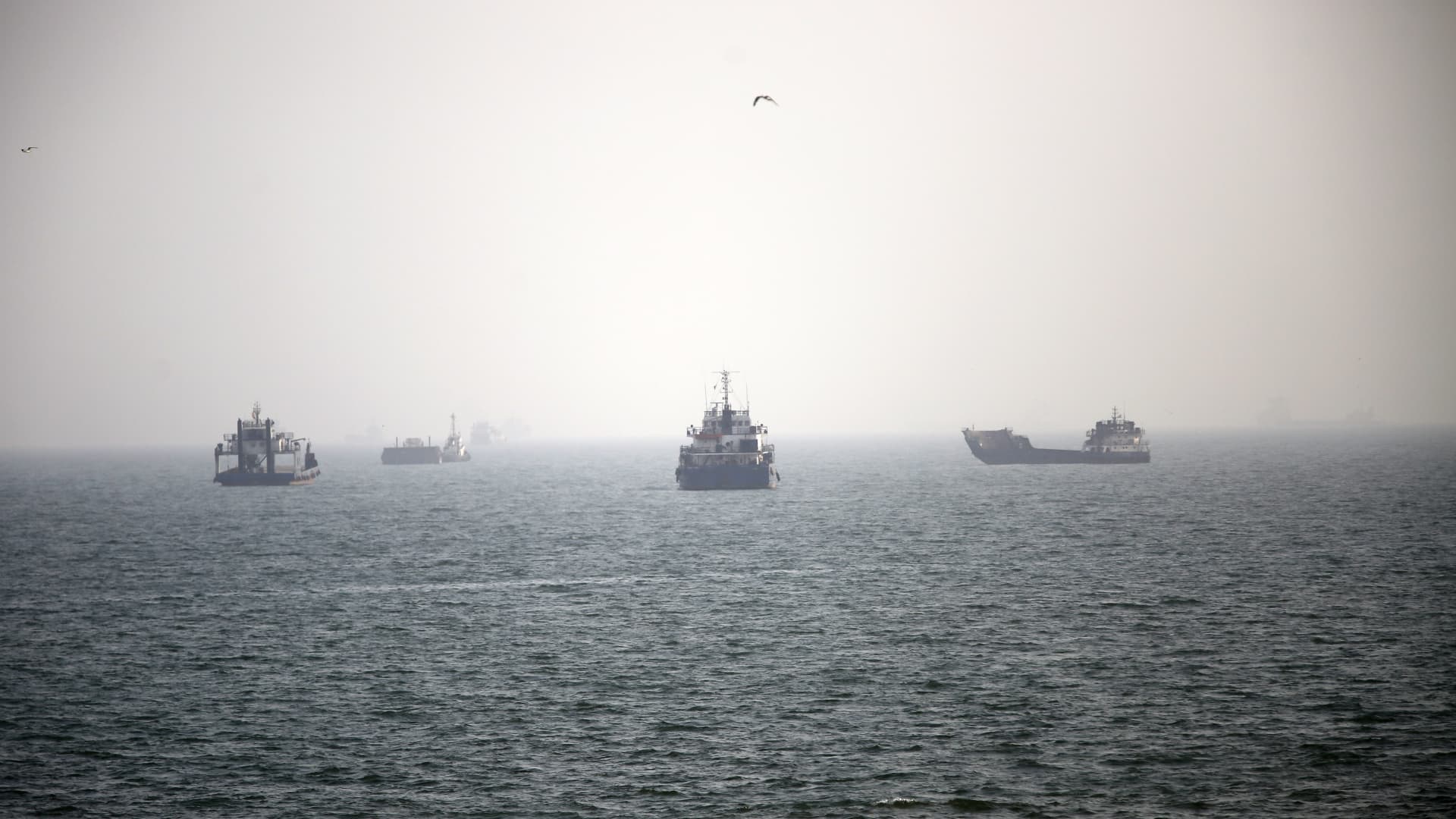
Oil prices have declined following reports of potential de-escalation regarding the Strait of Hormuz. Diplomatic talks between the U.S. and Iran have eased market fears of supply disruptions, leading to a drop in Brent and WTI crude futures.
Market Volatility and the Strait of Hormuz
Recent developments in the Middle East have triggered a notable shift in global energy markets. As Iran signaled a potential reopening of the Strait of Hormuz within a seven-day window, contingent on a reduction in U.S. military pressure, global oil prices reacted with an immediate downward trend. This waterway serves as a critical artery for global oil shipments, and any sign of stability there serves to alleviate the 'risk premium' that has recently inflated crude costs.
The Direct Impact on Crude Futures
The market response has been swift and measurable. Brent crude futures saw a decline of 0.89%, settling near $99.45, while U.S. West Texas Intermediate (WTI) contracts experienced even steeper drops. The October WTI contract fell by 1.14%, and the more active November contracts followed suit with a 1.42% decline. This downward pressure persists as traders weigh the possibility of a diplomatic resolution against the backdrop of long-standing geopolitical tensions.
Diplomatic Efforts at the United Nations
Optimism for a cooling of tensions was further bolstered by reports of extensive talks between U.S. and Iranian delegations during a recent UN meeting. President Donald Trump described these discussions as a 'very good meeting,' lasting approximately three hours. These diplomatic engagements are essential, as they provide a counterbalance to the aggressive rhetoric previously observed, where the prospect of total conflict was explicitly raised alongside the potential for a new deal.
Analyzing the Supply Chain Risks
Despite the current dip in prices, the presence of merchant ships at anchor in Iranian ports like Bandar Abbas underscores the fragility of the status quo. The Strait of Hormuz is not merely a transit point; it is a vital chokepoint through which a significant percentage of the world's daily oil consumption passes. Any disruption here creates immediate supply-side shocks that reverberate through global economies, affecting everything from fuel prices at the pump to the cost of industrial logistics.
Future Trends and Geopolitical Stability
The trajectory of crude prices in the coming weeks will be inextricably linked to the 'seven-day' timeline mentioned by Iranian officials. If the U.S. takes tangible steps to lower military pressure, the market may stabilize further, potentially leading to a more sustained decline in oil prices. However, if these talks stall or if the conditions for the reopening of the Strait are not met, the volatility seen this week will likely return, keeping energy markets on edge as they wait for concrete actions rather than just diplomatic signals.