US imposes 10% ‘forced labour’ tariff on India under Section 301 investigation
Source Entity
Latest News: Todays Latest News Headlines from India & World | Hindustan Times | Hindustan Times
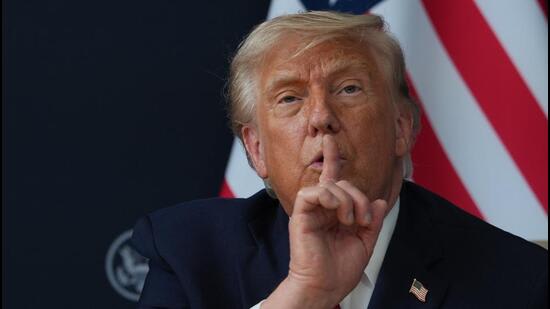
The Trump administration has imposed a 10% tariff on imports from India and 59 other nations following an investigation into forced labor practices. These new duties replace expiring temporary global tariffs and apply to 99.4% of U.S. trade.
US Imposes Targeted Tariffs Amid Forced Labor Investigation
In a significant shift in trade policy, the United States government has officially implemented a 10% tariff on imports from India and more than a dozen other nations. This action follows a comprehensive, months-long investigation conducted under Section 301 of the Trade Act of 1974, which scrutinized international adherence to labor standards. While the administration initially proposed a higher 12.5% rate, India successfully negotiated a reduction to the 10% threshold, effectively aligning its trade status with other regional economies like Pakistan, Sri Lanka, and Bangladesh.
The Scope of the Trade Policy
This move is part of a broader, aggressive trade agenda spearheaded by President Donald Trump and U.S. Trade Representative Jamieson Greer. The tariffs are not isolated to a few trading partners; they encompass a total of 60 countries. According to the Office of the U.S. Trade Representative, these nations account for a staggering 99.4% of all U.S. imports. The policy serves as a direct response to what the administration characterizes as a failure by these nations to adequately prohibit or enforce restrictions against the use of forced labor in their supply chains.
Transition from Temporary Measures
The new tariff regime is designed to ensure continuity in U.S. trade enforcement. These duties are replacing the temporary 10% global tariffs that were announced in February and were nearing their expiration date. By transitioning from temporary global measures to a more permanent, investigation-backed structure, the administration aims to solidify its legal standing in trade disputes after facing several setbacks earlier in the year. This transition ensures that the economic pressure on trading partners remains uninterrupted as the temporary measures sunset.
Economic and Legal Implications
The implementation of these tariffs, which took effect immediately following the announcement, marks a pivotal moment in the current administration's trade strategy. While the Office of the U.S. Trade Representative has yet to provide specific revenue projections, the scale of the policy—covering nearly the entirety of U.S. import volume—suggests a massive shift in the financial landscape of international commerce. The use of Section 301 is a potent tool, historically used to address unfair trade practices, now being repurposed specifically to combat forced labor on a global scale.
Future Trends and Global Outlook
Looking ahead, the reliance on such sweeping tariffs suggests that the United States is prioritizing labor standard enforcement as a cornerstone of its foreign economic policy. By placing India on par with other Asian and Latin American economies, the administration is creating a standardized enforcement framework. Future trade relations will likely depend on how effectively these 60 nations can demonstrate compliance with U.S. requirements regarding labor practices. This development indicates that international manufacturers will face increasing pressure to ensure supply chain transparency to avoid ongoing tariff penalties.
Multiple Citing Sources
Verification Required?