U.S. to use economic tactics on Iran `that have never been seen'; Navy works to relieve troubled carrier Abraham Lincoln
Source Entity
US Top News and Analysis
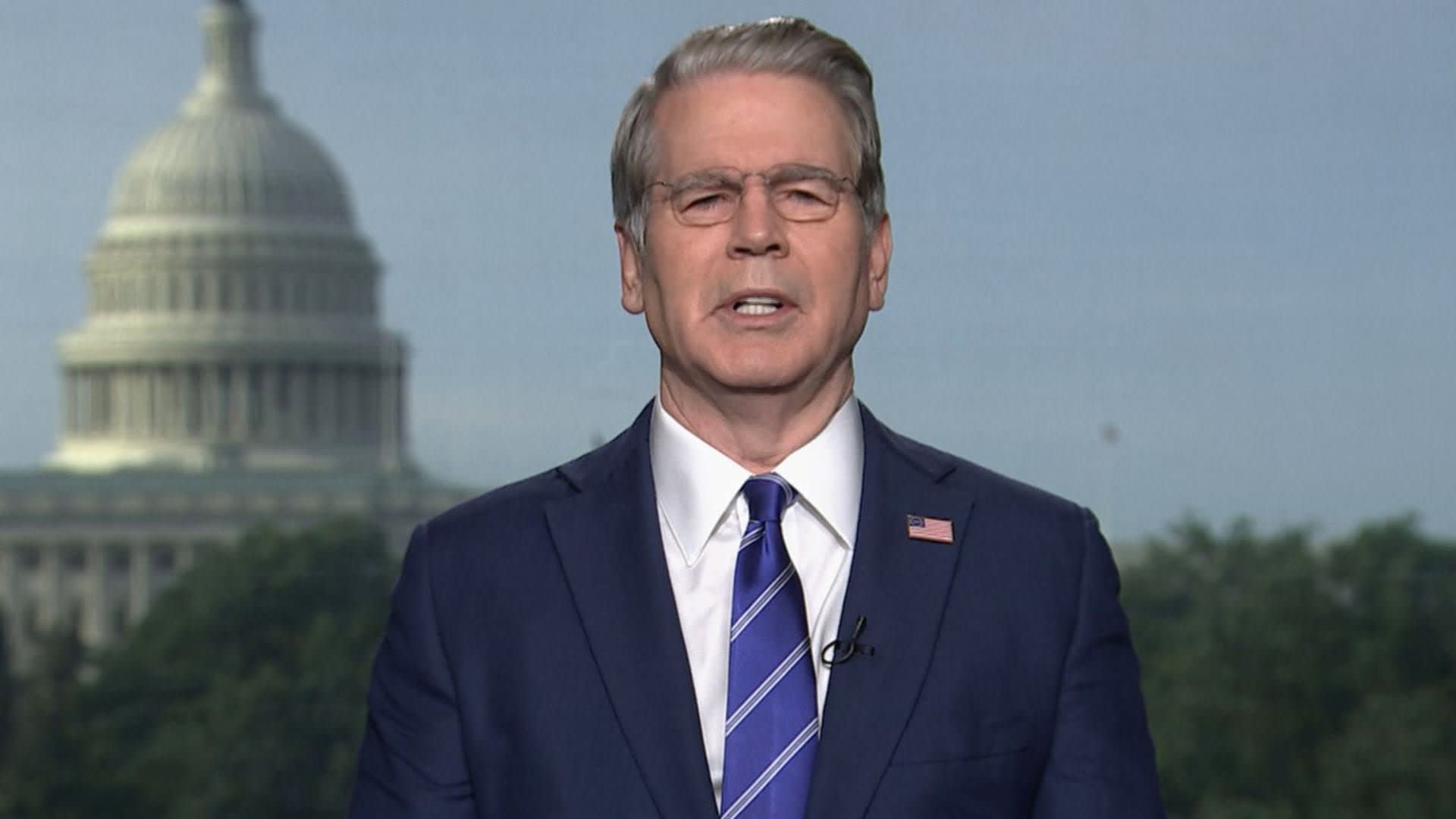
The U.S. government is signaling a shift toward unprecedented economic isolation and a sustained naval blockade of Iran. Treasury Secretary Scott Bessent and Defense Secretary Pete Hegseth have confirmed that these measures are intended to be indefinite.
The New U.S. Strategy for Iranian Containment
Recent statements from high-ranking U.S. officials, including Treasury Secretary Scott Bessent and Defense Secretary Pete Hegseth, indicate a significant escalation in American policy toward Iran. The administration is signaling a move toward a dual-pronged approach: the application of unprecedented economic isolation and the maintenance of a persistent naval blockade within the Strait of Hormuz. This policy shift represents a departure from traditional diplomatic engagement, aiming to sever Iran’s access to global markets and maritime trade routes.
Unprecedented Economic Isolation
Treasury Secretary Scott Bessent has described the forthcoming economic measures as a form of pressure "the world has never seen before." By aiming to prevent any goods from entering or leaving Iranian ports, the U.S. is seeking to tighten the noose on the Iranian economy. This strategy suggests a comprehensive effort to leverage the American financial system to isolate Tehran, likely targeting critical sectors such as energy exports and essential imports, with the ultimate goal of exerting maximum pressure on the Iranian government.
The Strategic Importance of the Strait of Hormuz
The Strait of Hormuz is one of the world's most vital maritime chokepoints, serving as a primary artery for global energy transit. The U.S. military’s plan to maintain a blockade in this region is a bold tactical decision with profound geopolitical implications. By controlling the flow of goods through this narrow waterway, the U.S. is not only targeting Iran’s domestic stability but also signaling its readiness to dominate regional maritime security, effectively cutting off Iran’s ability to project power or engage in traditional commerce.
Military Sustainability and Naval Rotations
Defense Secretary Pete Hegseth has confirmed that the U.S. military is fully prepared to sustain this naval blockade indefinitely. To support this objective, the Navy is actively managing its assets in the region, including the planned rotation of aircraft carriers. Reports indicate the USS George Washington is being deployed to replace the USS Abraham Lincoln, ensuring that the U.S. maintains a continuous, high-level naval presence to uphold the blockade without interruption.
Broader Geopolitical Implications
This policy of indefinite containment places the U.S. and Iran in a high-stakes standoff. By explicitly stating that these measures will continue for the foreseeable future, the U.S. is challenging the endurance of the Iranian state. The ability of the U.S. Navy to cycle through carrier groups demonstrates a logistical commitment to this strategy, potentially setting the stage for a prolonged period of regional volatility as the economic and maritime restrictions take full effect.
Future Trends and Outlook
Looking forward, the success of this strategy will depend on the efficacy of the naval blockade and the international community's adherence to the U.S.-led economic isolation measures. As the U.S. continues to rotate its naval assets to maintain constant pressure, the region will likely experience heightened tension. The long-term trend suggests a transition toward a more militarized enforcement of economic sanctions, which could fundamentally reshape the power dynamics in the Middle East and the security of global energy supply chains.