U.S. looking to become huge source of India’s energy needs: Senior State Department official
Source Entity
India Latest News: Top National Headlines Today & Breaking News | The Hindu
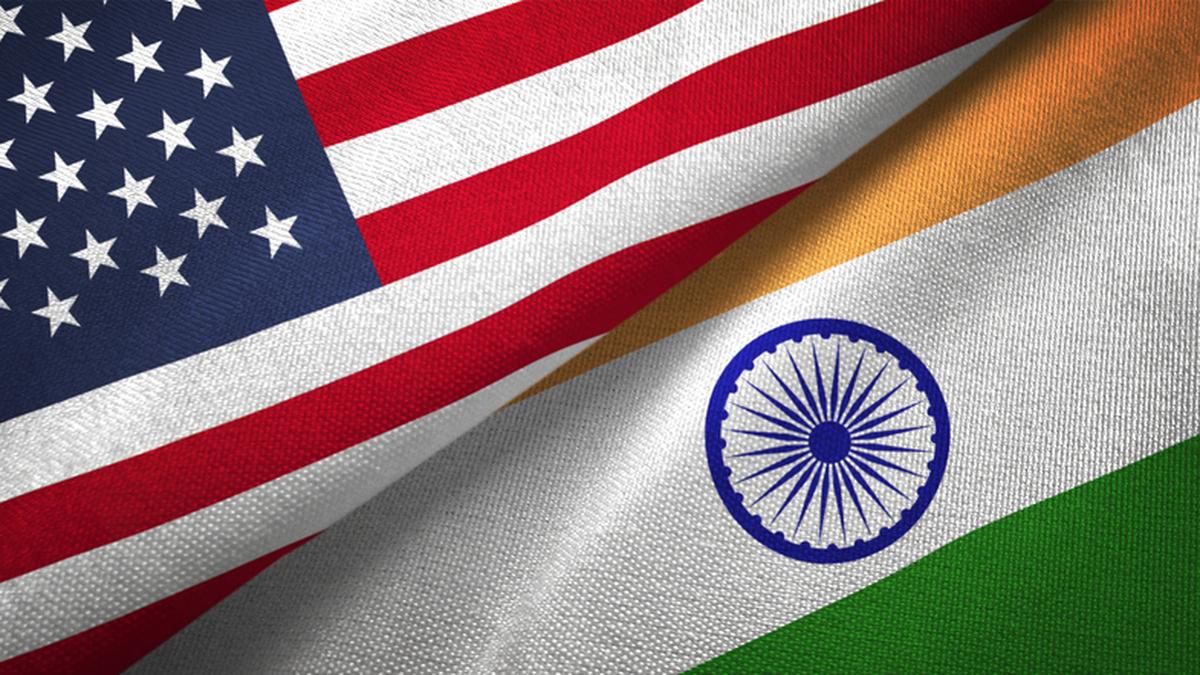
The U.S. is positioning itself as a primary energy supplier to India by leveraging market access from Venezuela. Simultaneously, new legislation imposes severe tariffs on countries purchasing Russian energy, creating a complex diplomatic challenge for India.
The Shifting Landscape of U.S.-India Energy Diplomacy
Recent developments indicate a strategic pivot in global energy trade, as the United States actively seeks to become a primary supplier for India’s escalating energy requirements. According to a senior State Department official, Washington is leveraging improved market access—partially attributed to successful operations in Venezuela—to provide India with a viable alternative to its traditional energy dependencies. This move is part of a broader U.S. effort to stabilize global supply chains while securing new markets for American exports.
The Impact of the Lindsey O. Graham Sanctioning Russia and Iran Act of 2026
Central to this shift is the recently enacted 'Lindsey O. Graham Sanctioning Russia and Iran Act of 2026.' This legislation represents a significant escalation in U.S. foreign policy, granting the President the authority to levy tariffs of up to 100% on nations that continue to import oil and gas from Russia. Named in honor of the late Senator Lindsey Graham, whose original proposals aimed for even more aggressive 500% tariffs, the law reflects a long-standing legislative intent to cripple Russian energy revenue through economic pressure.
Navigating Bilateral Tensions
For India, this legislative environment creates a delicate diplomatic balancing act. As a nation with rapidly growing energy demands, India has historically pursued a policy of diversification to ensure domestic stability. The threat of 100% tariffs on Russian energy imports forces New Delhi to reconsider its procurement strategies. While the State Department acknowledges that the U.S. Congress has taken a 'pretty hard approach' regarding these sanctions, the goal remains to integrate India into the American energy orbit rather than alienate a key strategic partner.
Strategic Implications for Global Markets
The move away from Russian energy sources is not merely a matter of policy but a fundamental restructuring of energy flows. By offering access to Venezuelan markets alongside domestic U.S. energy potential, Washington is attempting to fill the void that would be left by a reduction in Russian imports. This transition is intended to mitigate the risks associated with sanctions-heavy trade environments while providing India with a reliable long-term partner.
Future Trends and Economic Outlook
Looking ahead, the success of this energy partnership will depend on the cost-competitiveness of U.S. exports and the pace at which India can pivot its infrastructure to accommodate new sources. The legislative pressure from the 2026 Act serves as a catalyst for this change, likely accelerating India’s shift toward Western-aligned energy suppliers. While the bilateral relationship faces 'potential implications' due to these sanctions, the underlying alignment of U.S. energy supply and Indian demand suggests a growing interdependence that may define the next decade of geopolitical cooperation.
Verification Required?