US strikes Iran for 13th successive night; Trump says Tehran will pay for ship damage
Source Entity
TOI WORLD DESK
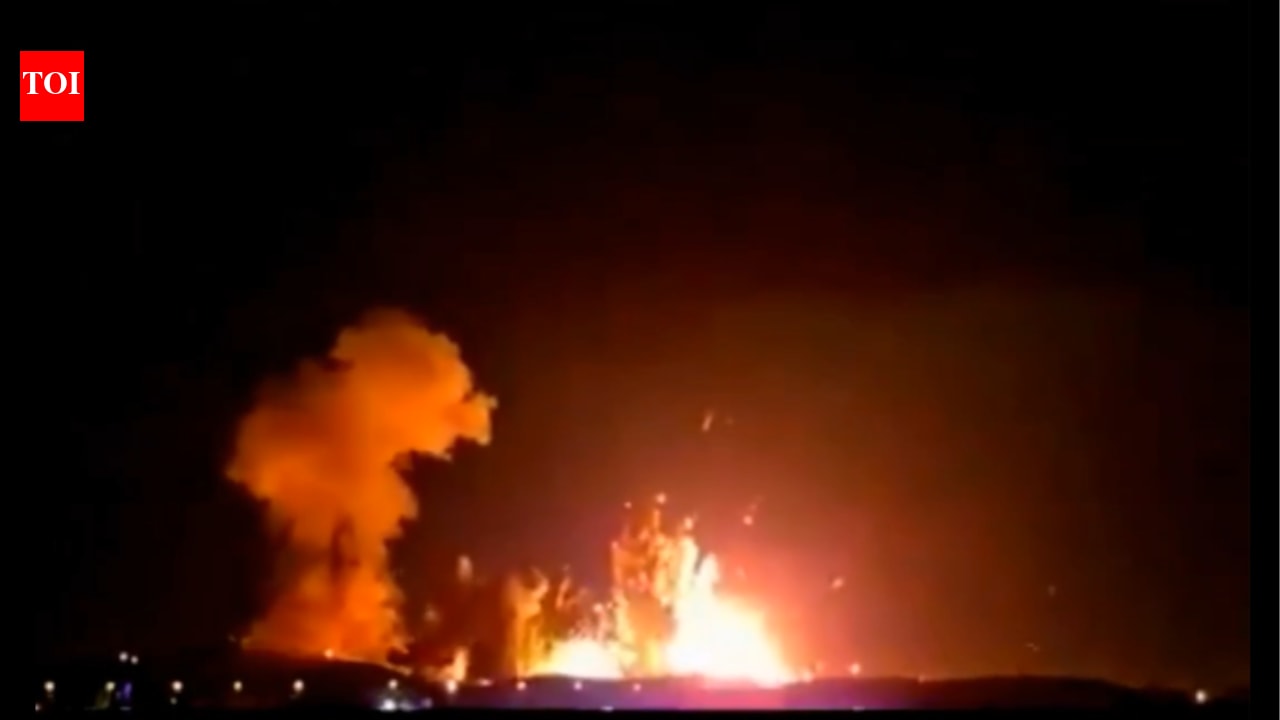
The US-Iran conflict has entered a critical phase with 13 consecutive nights of US airstrikes targeting Iranian military assets to secure shipping lanes. Tensions have expanded across the Gulf, with Iran retaliating against regional bases while global oil prices face significant upward pressure.
The Escalation of the US-Iran Conflict: A Strategic Breakdown
A Persistent Cycle of Hostility
The ongoing military engagement between the United States and Iran has reached a harrowing milestone, marking the 13th consecutive night of US-led airstrikes. This latest phase of the conflict, which followed the collapse of a precarious interim truce, has transformed the Strait of Hormuz into a volatile focal point. By targeting Iranian military facilities, the US aims to degrade the capabilities of the Islamic Revolutionary Guard Corps (IRGC), specifically regarding their capacity to disrupt international commercial shipping.
The Geopolitical Flashpoint: The Strait of Hormuz
The Strait of Hormuz remains the primary theater of this conflict, effectively paralyzed as a commercial artery. With strikes reported near Qeshm Island and Bandar Abbas, the tactical objective for the US is to diminish Iran's regional power projection. However, the closure of this strategic waterway has immediate global consequences, most notably reflected in the surging price of oil, which has crossed the $100 per barrel threshold, signaling deep market anxiety regarding energy security.
Regional Spillover and Retaliation
The conflict is no longer confined to bilateral skirmishes. Iran’s retaliatory strategy has involved drone and missile strikes against US-aligned interests in neighboring nations, including Bahrain, Jordan, and Kuwait. The reported strike on the Al-Abdali border crossing in Kuwait illustrates the widening scope of the war, drawing regional allies deeper into the fray and complicating the diplomatic landscape for the Gulf Cooperation Council (GCC) states.
Leadership Rhetoric and Future Trajectory
President Donald Trump has adopted an aggressive stance, publicly weighing a "massive attack" on Iranian soil and asserting that Iran will bear the financial burden for all damages caused to US and regional interests. This rhetoric suggests that the US administration is moving toward a strategy of maximum pressure rather than de-escalation. The promise to make Tehran pay financially adds a layer of economic warfare to the kinetic military operations currently underway.
Humanitarian and Economic Implications
Beyond the strategic military maneuvering, the human cost is becoming increasingly visible, as evidenced by reports of explosions near civilian infrastructure like Erbil airport. The regional instability threatens to disrupt supply chains further and force a realignment of security architectures in the Middle East. As both nations remain locked in this 13-day cycle of violence, the prospect of a larger, conventional conflict looms, leaving international observers concerned about the potential for a catastrophic miscalculation that could engulf the broader region.
Multiple Citing Sources