US-Iran war live updates: US military says it’s launching strikes on Iran for the 13th night in a row as clashes escalate over shipping routes
Source Entity
The Indian Express
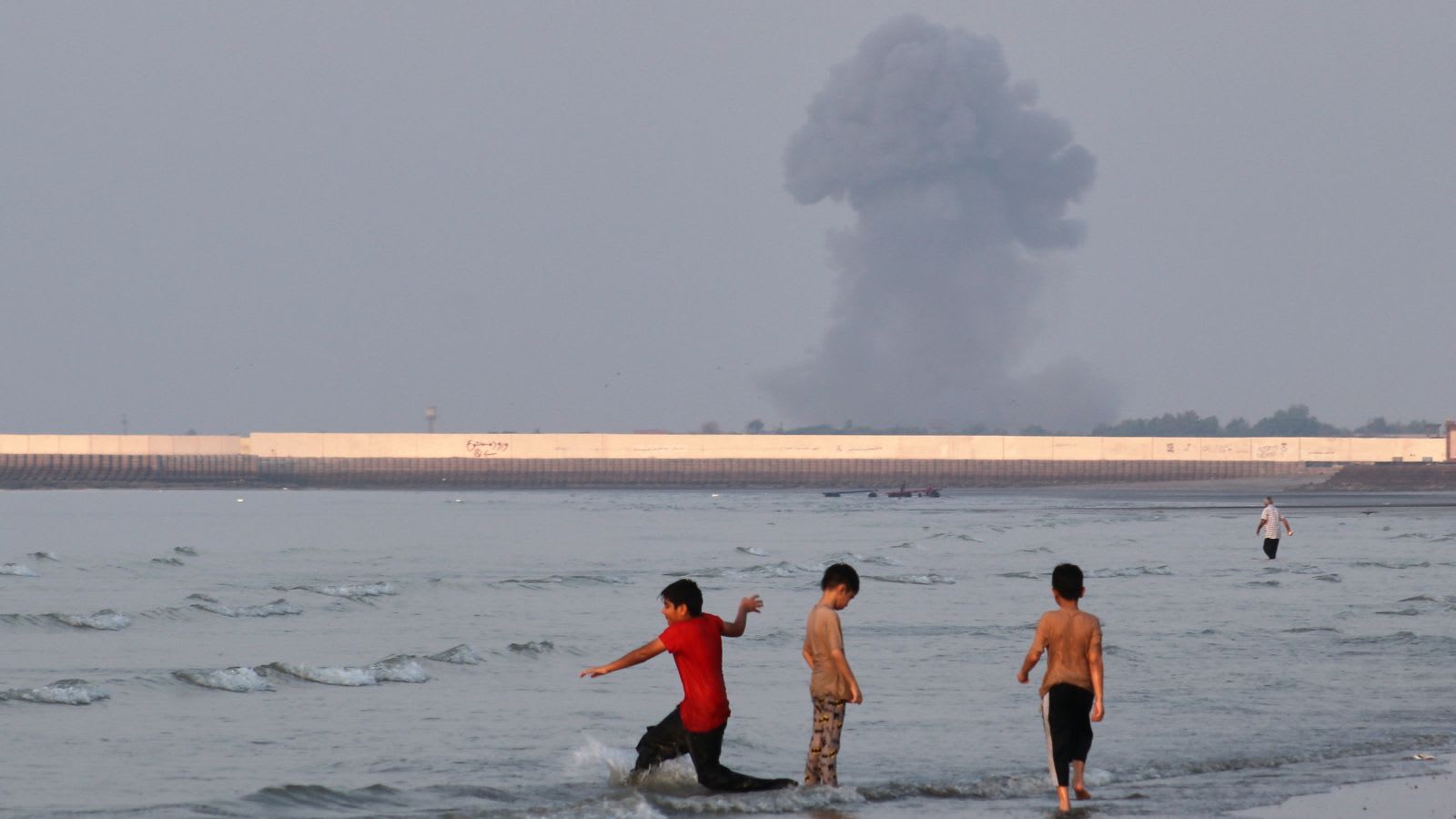
The US has launched its 13th consecutive night of airstrikes against Iranian military targets to protect commercial shipping in the Strait of Hormuz. In response, Iran has targeted US bases in neighboring Gulf nations, causing global oil prices to surge.
The Escalation in the Strait of Hormuz
The conflict between the United States and Iran has reached a critical juncture, with military operations entering their 13th consecutive night. The United States military continues to conduct targeted airstrikes against Iranian facilities, specifically aiming to neutralize threats posed by the Islamic Revolutionary Guard Corps (IRGC) to international commercial shipping. This sustained campaign underscores a determined effort by the U.S. to restore security to one of the world’s most vital maritime chokepoints.
The Strategic Importance of the Strait
The Strait of Hormuz serves as a global economic artery, and its effective closure to commercial traffic has sent shockwaves through international markets. With oil prices crossing the $100 per barrel threshold, the global economy faces immediate inflationary pressure. The visual contrast of local life—children playing in the waters off Bandar Abbas while plumes of smoke rise from nearby explosions—serves as a stark reminder of the human cost and the normalization of conflict in a region that sustains global energy supplies.
Retaliation and Regional Contagion
The conflict has expanded beyond direct U.S.-Iran engagements. Tehran has responded by launching missile and drone strikes against U.S. military assets stationed in neighboring countries, including Jordan, Bahrain, and Kuwait. The strike on the Al-Abdali border crossing between Kuwait and Iraq signals a dangerous broadening of the theater of operations, pulling regional allies deeper into a cycle of retaliation that threatens to destabilize the entire Gulf Cooperation Council (GCC) region.
Presidential Stance and Financial Accountability
President Donald Trump has taken a hawkish stance, characterizing the ongoing operations as a necessary measure to hold Tehran accountable. His administration has signaled that Iran will be held financially responsible for damages incurred during the conflict, with the President warning of potentially larger, 'massive' attacks should the aggression against shipping routes persist. This rhetoric suggests that the U.S. is prepared for a prolonged military engagement rather than a swift diplomatic resolution.
The Collapse of Diplomatic Channels
The current hostilities follow the breakdown of an interim truce that had previously offered a fragile window for de-escalation. With the collapse of these negotiations, both nations have pivoted back to kinetic warfare. The targeting of Qeshm Island and other strategic nodes in the Strait of Hormuz indicates that both sides are prioritizing the control of maritime logistics over diplomatic de-escalation, making a return to the negotiating table increasingly unlikely in the immediate term.
Future Outlook
Looking ahead, the trajectory of this conflict remains highly volatile. If the Strait of Hormuz remains effectively closed, the global supply chain will likely face severe disruptions, potentially leading to a broader economic crisis. Future trends suggest that unless a third-party mediator can successfully intervene or a new, more robust ceasefire is brokered, the cycle of U.S. airstrikes and Iranian retaliatory missile launches will continue to escalate, further endangering regional stability and global energy security.
Multiple Citing Sources