Is this the IRGC Pentagon never saw coming? 400+ US soldiers injured in escalating war with Iran
Source Entity
Latest News: Today's Latest News Headlines from India & World | Hindustan Times | Hindustan Times
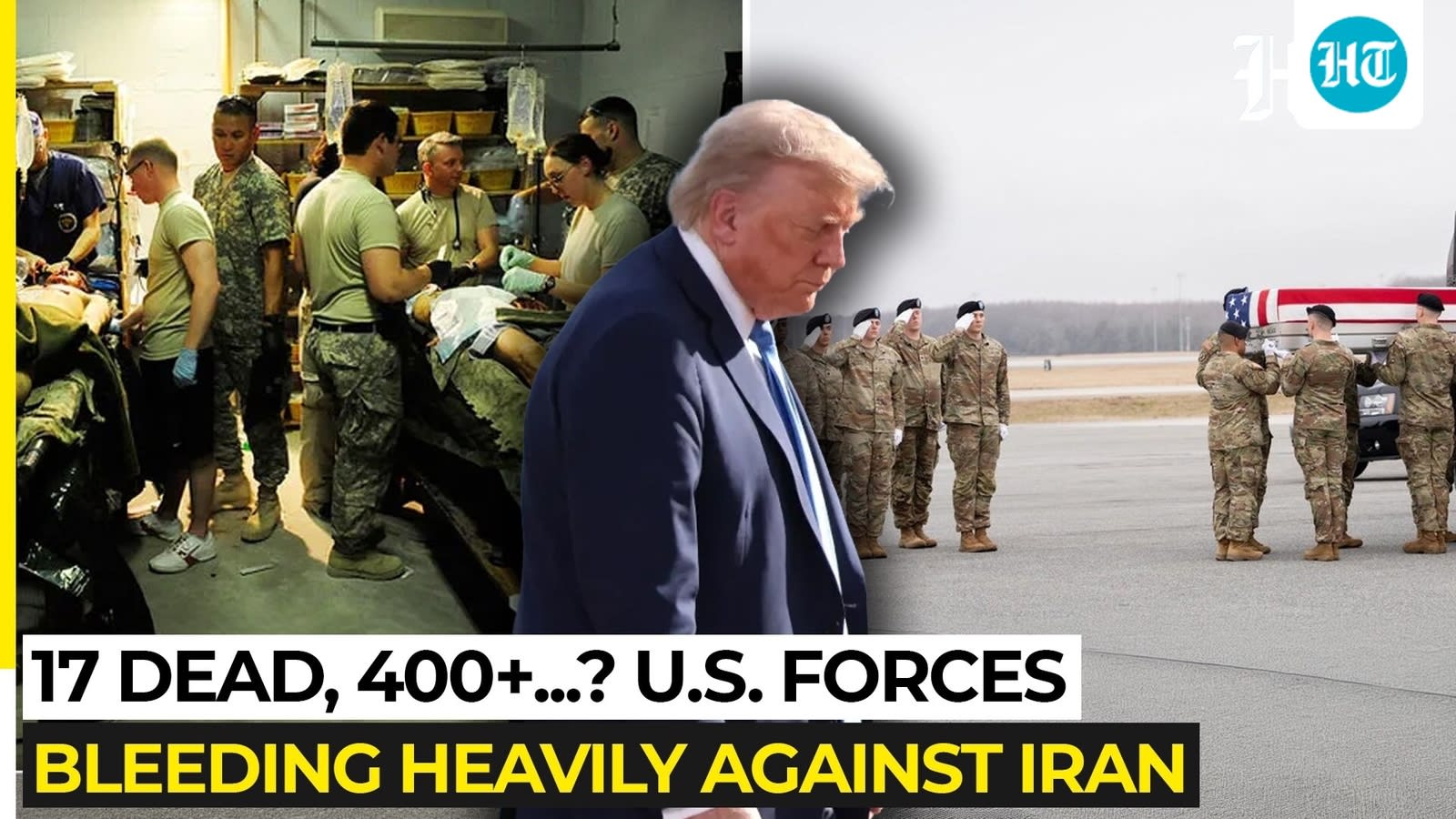
The U.S.-Iran conflict has escalated significantly, with over 400 U.S. soldiers injured and multiple fatalities reported. President Trump has vowed a harsh retaliation, leading to consecutive nights of U.S. military strikes against Iranian infrastructure.
The Escalating U.S.-Iran Conflict: A Strategic Breakdown
The current geopolitical landscape is witnessing a dramatic surge in hostilities between the United States and Iran, characterized by direct military engagement and significant human costs. With reports indicating that over 400 U.S. service members have been injured and several killed—including fatalities in Jordan and Iraq—the conflict has transitioned from proxy skirmishes into a high-intensity confrontation that challenges regional stability.
The Human Cost and Operational Risks
Beyond the strategic implications, the human toll is mounting as the conflict enters a more volatile phase. The recent death of a service member while handling debris from a downed Iranian drone in northern Iraq highlights the unpredictable nature of this battlefield. This, coupled with the two soldiers killed in Jordan during an Iranian missile and drone attack, has prompted a shift in U.S. military posture, marked by a directive from President Donald Trump to ensure a severe and multi-fold response for every American life lost.
Strategic Objectives of U.S. Retaliation
President Trump’s recent directives to Secretary of Defense Pete Hegseth and Chairman of the Joint Chiefs of Staff General Daniel Caine emphasize a shift toward a more aggressive deterrence strategy. The U.S. military has engaged in ten consecutive nights of strikes, explicitly targeting Iranian military and communication sites. The stated objective is to degrade Iran’s capacity to threaten maritime security, specifically within the Strait of Hormuz, a critical global chokepoint for energy supplies.
Iran’s 'Full-Scale War' Posture
In response, Iranian leadership, including President Masoud Pezeshkian, has characterized the current situation as a 'full-scale war.' By claiming to have targeted sites in Bahrain, Jordan, and Syria, Tehran is signaling its intent to broaden the theater of conflict. This expansionist rhetoric suggests that the Iranian strategy involves leveraging its regional network to counter U.S. strikes, thereby testing the limits of American military containment.
Diplomatic Paradoxes and Future Trends
Despite the intense military posturing, both nations continue to maintain back-channel communication. This paradox—simultaneous kinetic warfare and diplomatic signaling—indicates that while both sides are locked in a cycle of escalation, there remains a fragile, underlying effort to prevent a total systemic collapse of regional stability. Future trends likely point toward continued maritime friction and targeted strikes, as the U.S. attempts to neutralize Iranian capabilities while Tehran seeks to impose costs on U.S. regional assets.
Conclusion: Assessing the Path Forward
The situation remains fluid, with casualty figures and military targets subject to rapid changes. The reliance on high-level military directives and the public nature of these warnings suggest that both nations are currently prioritizing the projection of strength over de-escalation. As the conflict persists, the international community faces the challenge of monitoring a volatile environment where a single miscalculation could lead to further, uncontrollable escalation.
Multiple Citing Sources
Verification Required?