'They will pay many times over': Trump as US carries out 10th night of Iran strikes
Source Entity
TOI WORLD DESK
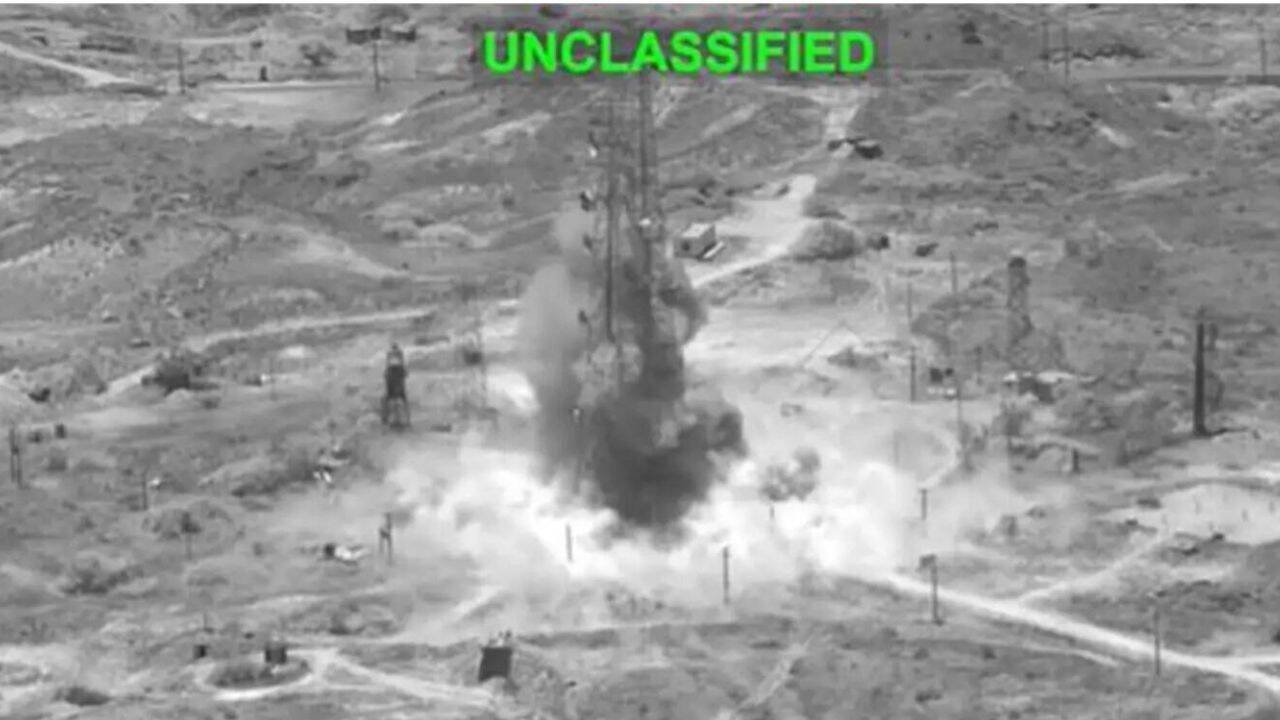
The U.S. and Iran are engaged in an escalating conflict following the deaths of multiple American service members and attacks on U.S. allies. Military operations have reached a tenth consecutive night of U.S. strikes aimed at securing the Strait of Hormuz amid rising global energy concerns.
The Escalating U.S.-Iran Conflict: A Deep Dive
The Human Cost of Escalation
The current geopolitical landscape has been severely destabilized by a rapid escalation in hostilities between the United States and Iran. The human toll has become a central point of concern, with reports confirming that over 400 U.S. service members have been injured since the conflict intensified. This figure, while currently reported, remains subject to change as ongoing engagements continue to impact personnel on the ground. The recent deaths of American troops—specifically two in Jordan and one in Iraq—have served as a primary catalyst for a more aggressive military posture from Washington.
Tactical Objectives and the Strait of Hormuz
For ten consecutive nights, the United States has conducted targeted strikes against Iranian military assets. According to U.S. Central Command (CENTCOM), the core strategic objective of these operations is to degrade Iran’s ability to threaten commercial shipping within the Strait of Hormuz. This waterway is a critical artery for global energy supplies, and the ongoing disruption has already begun to trigger volatility in international oil markets. By systematically targeting Iranian military and communications infrastructure, the U.S. aims to restore maritime security in the region.
Regional Expansion of Hostilities
The conflict has transcended localized skirmishes, with Iran expanding its operational theater to include missile barrages against U.S. allies, including Kuwait, Jordan, and Bahrain. This regionalization of the conflict signifies a dangerous shift toward a broader confrontation. President Masoud Pezeshkian has described the situation as a "full-scale war," highlighting the gravity of the current diplomatic and military impasse between Tehran and Washington.
Presidential Rhetoric and Domestic Impact
President Donald Trump has adopted a hardline stance, vowing that Iran will pay "many times over" for the loss of American lives. This rhetoric, paired with the active military campaign, suggests that the administration is prioritizing a doctrine of deterrence through overwhelming force. With the President scheduled to attend memorial ceremonies for fallen soldiers, the domestic political pressure to maintain this offensive posture is likely to remain high.
Diplomatic Channels and Future Uncertainty
Despite the collapse of an interim ceasefire agreement and the intensity of the ongoing strikes, reports indicate that backchannel diplomatic communications are still occurring. These exchanges, managed through intermediaries, represent the final remnants of a fraying diplomatic architecture. As both nations continue to trade military strikes, the long-term trajectory remains precarious, with global markets and regional stability hanging in the balance as the international community watches for signs of de-escalation or further widening of the conflict.
Multiple Citing Sources