Bridges, airport, railway station: US attacks civilian infrastructure in Iran
Source Entity
AADRITA HALDER
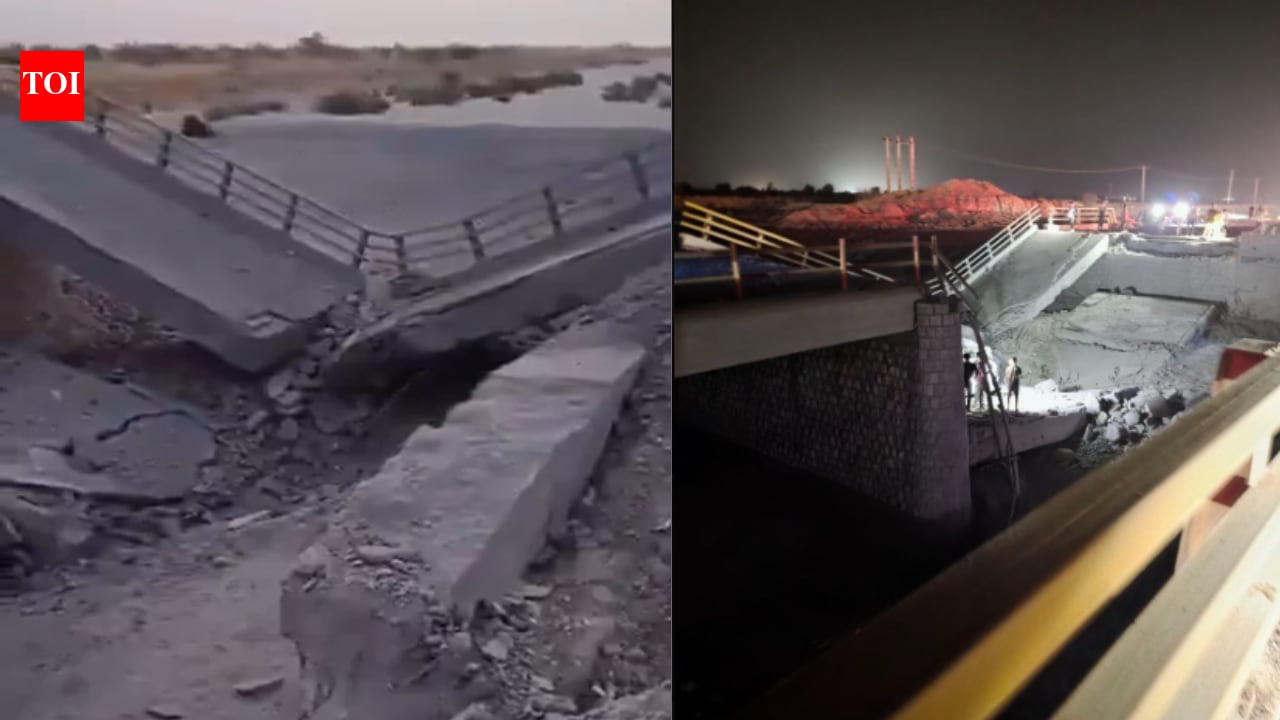
The U.S. and Iran have engaged in six consecutive days of airstrikes, with the U.S. targeting critical infrastructure near the Strait of Hormuz. Iran has responded by expanding its attacks to include U.S.-allied nations and military assets in Syria, Bahrain, Iraq, and Qatar.
Escalation in the Persian Gulf: U.S.-Iran Conflict Intensifies
The ongoing military confrontation between the United States and Iran has entered a critical phase, marked by six consecutive days of intense airstrikes. The U.S. military strategy is currently focused on degrading Iran's logistical capabilities, specifically targeting bridges and transport infrastructure surrounding the port city of Bandar Abbas. By isolating this maritime hub, the U.S. aims to neutralize the Islamic Revolutionary Guard Corps’ (IRGC) ability to project power and disrupt commercial shipping within the strategically vital Strait of Hormuz.
Strategic Targeting of Infrastructure
The U.S. focus on physical infrastructure, including bridges, highways, and naval facilities, represents a concerted effort to dismantle the supply chains that support Iranian naval operations. Bandar Abbas serves as a cornerstone for Iran’s maritime dominance; by severing land connections to this port, the U.S. seeks to force a de-escalation of Iran’s harassment of commercial vessels. However, these strikes have come at a significant humanitarian cost, with Iranian state media reporting civilian casualties and damage to essential infrastructure, including a train station and an airport.
Regional Widening of the Conflict
The standoff, which recently saw the collapse of a fragile month-old truce, has rapidly expanded beyond the borders of Iran. In a clear demonstration of asymmetric warfare, Iran has retaliated by targeting U.S.-allied nations and military installations across the Middle East. Reports confirm that Iranian missile attacks have reached Qatar, the Kurdish region of northern Iraq, and U.S. special operations command centers in Syria and Bahrain, signaling a shift toward a broader regional theater of war.
The Collapse of Diplomatic Efforts
The rapid unraveling of the previous interim agreement highlights the volatility of the current geopolitical environment. What began as a localized effort to secure the Strait of Hormuz has devolved into a multi-front conflict. As both sides exchange fire, the distinction between military and civilian targets has become increasingly blurred, complicating any potential path back to the negotiating table. The death tolls reported by Iranian officials—ranging from eight to dozens of individuals—suggest a rising intensity that could provoke further retaliatory cycles.
Future Trends and Global Implications
Looking ahead, the conflict appears poised for continued instability. The U.S. Central Command’s commitment to sustained major strikes suggests a long-term goal of total maritime security, regardless of the immediate risk of regional spillover. Conversely, Iran’s expansion of its strike capabilities into Iraq, Syria, and Gulf states demonstrates a willingness to trade local military losses for regional political leverage. The global economy, highly dependent on the stability of the Strait of Hormuz, faces significant uncertainty as this six-day exchange of fire shows no signs of immediate diplomatic resolution.
Multiple Citing Sources