Protests rock Dhaka after Hindu man arrested for building 81-ft Lord Ram statue
Source Entity
TOI WORLD DESK
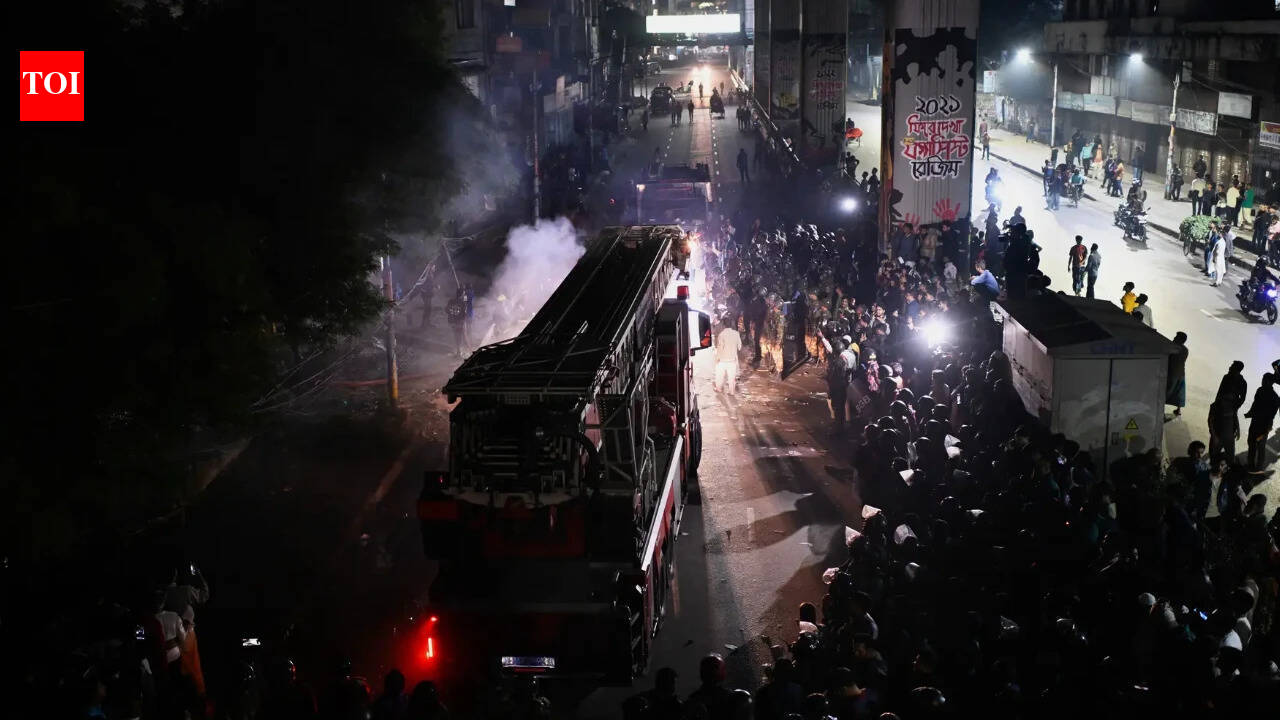
Protests have erupted in Dhaka following the arrest of Haridas Chandra Tarani Das, a Hindu man accused of money laundering. Minority leaders claim the charges are fabricated to halt the construction of an 81-foot Lord Ram statue in Gaibandha.
Tensions Rise in Dhaka Over Religious Monument Dispute
Recent developments in Bangladesh have sparked significant civil unrest, as minority community leaders gathered at the National Press Club in Dhaka to protest the arrest of Haridas Chandra Tarani Das. The arrest of the young Hindu man has become a flashpoint for broader concerns regarding the treatment of religious minorities within the nation. Demonstrators, organized under the banner of the Bangladesh Hindu-Buddhist-Christian Unity Council, argue that the legal actions taken against Das are not rooted in genuine criminal wrongdoing, but are instead a calculated effort to impede the construction of an 81-foot statue of Lord Ram in the Gaibandha district.
Allegations of Fabricated Charges
The core of the controversy lies in the nature of the charges brought against Haridas Chandra Tarani Das. Authorities have reportedly cited money laundering as the basis for his detention. However, the protesting coalition vehemently rejects these allegations, characterizing them as a facade designed to provide a legal pretext for stopping the religious project. By framing the issue as a criminal financial matter, critics argue that the state is attempting to circumvent the constitutional protections afforded to religious freedom, effectively weaponizing the legal system to suppress minority expression.
The Role of the Unity Council
The involvement of the Bangladesh Hindu-Buddhist-Christian Unity Council highlights a growing trend of interfaith solidarity in the face of perceived persecution. The organization, which represents a diverse cross-section of non-Muslim communities, has become a vocal advocate for religious rights. Their presence at the protest signifies a collective fear that the targeting of one individual for a religious initiative could set a dangerous precedent for the broader minority population, potentially emboldening local actors to disrupt or dismantle other religious symbols and structures.
Broader Implications for Religious Freedom
This incident is being viewed by many observers as part of a recurring 'pattern of persecution' that has historically affected religious minorities in the region. The construction of an 81-foot statue of Lord Ram is a significant cultural and religious undertaking, and its sudden obstruction has raised alarms about the shrinking space for public religious expression. If the state is perceived to be complicit in blocking such projects through administrative or legal maneuvers, it risks deepening existing societal fractures and undermining the secular identity of the state.
Future Trends and Social Stability
The situation in Gaibandha and the subsequent fallout in Dhaka underscore the fragility of communal harmony when religious projects become entangled with state-level administrative scrutiny. Moving forward, the resolution of this case will likely serve as a barometer for the government's commitment to protecting the rights of all citizens regardless of faith. The demand for Das's immediate release and the cessation of harassment against minority leaders suggest that the pressure on the government will continue to mount until transparency regarding the charges is provided and the religious rights of the community are respected.