Collector warns e-Sevai centres against errors, overcharging
Source Entity
India Latest News: Top National Headlines Today & Breaking News | The Hindu
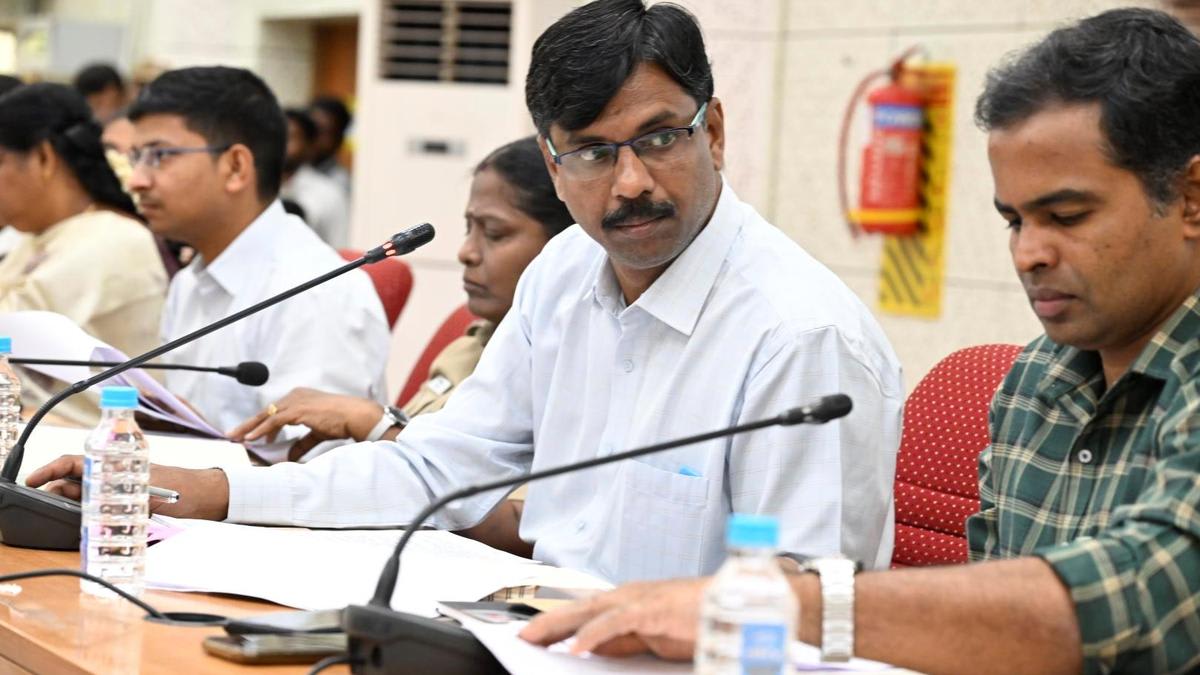
Erode District Collector S. Kandasamy has warned e-Sevai centres against processing errors and overcharging. The directive aims to ensure efficient, transparent, and accessible public service delivery across 862 centres in the district.
Strengthening Administrative Accountability in Erode
In a decisive move to streamline public service delivery, Erode District Collector S. Kandasamy has issued a stern warning to both government and government-authorised private e-Sevai centres. The directive mandates that these facilities ensure the absolute accuracy of application processing, explicitly cautioning that any errors leading to the rejection of public applications will result in formal disciplinary action. This initiative underscores the administration's commitment to maintaining the integrity of digital governance at the grassroots level.
The Role of e-Sevai in Digital Governance
The e-Sevai infrastructure serves as a critical bridge between the state and its citizens, designed to bring essential government services closer to residential hubs. By decentralizing these functions, the state reduces the physical burden on citizens who would otherwise face long wait times and travel costs associated with visiting central government offices. With 201 government-run and 661 private-authorised centres across Erode, the scale of this network is vital for ensuring that services remain transparent and free from the influence of predatory intermediaries.
Impact of Recent Inspections
The Collector’s directive was prompted by on-the-ground inspections conducted at facilities in Appakudal and the Pudupalayam Primary Agricultural Cooperative Credit Society in Bhavani taluk. These site visits serve as a quality control mechanism, allowing district officials to witness firsthand the challenges faced by applicants. By identifying bottlenecks and service failures directly at the source, the administration is better positioned to enforce compliance and protect the public interest.
Implications for Service Quality and Transparency
The core objective of this mandate is to eliminate unnecessary expenditure of time and money for the public. When e-Sevai centres operate with high error rates, it forces citizens into a cycle of repeated visits and potential financial loss, which contradicts the very purpose of digitizing government services. The Collector’s warning acts as a regulatory tool to ensure that these centres function as efficient service points rather than obstacles to public welfare.
Future Trends in Digital Public Infrastructure
Moving forward, the strict oversight of e-Sevai centres suggests a trend toward increased accountability in digital public delivery systems. As the state continues to integrate more services into these platforms, the pressure to maintain high standards of accuracy and ethical pricing will only grow. The Erode model of combining local inspections with clear, punitive consequences for malpractice sets a precedent for other districts seeking to stabilize their digital service ecosystems.
Concluding Summary
Ultimately, Collector S. Kandasamy’s intervention is a necessary step in refining the operational standards of Erode’s 862 e-Sevai centres. By prioritizing accuracy and preventing overcharging, the district administration is reinforcing the trust of the public in digital governance. This initiative not only improves current service quality but also builds a more resilient and transparent framework for the future of administrative service delivery in the region.
Verification Required?