H-1B visa update: Will there be second lottery? All we know as USCIS achieves visa cap for FY2027
Source Entity
Latest News: Today's Latest News Headlines from India & World | Hindustan Times | Hindustan Times
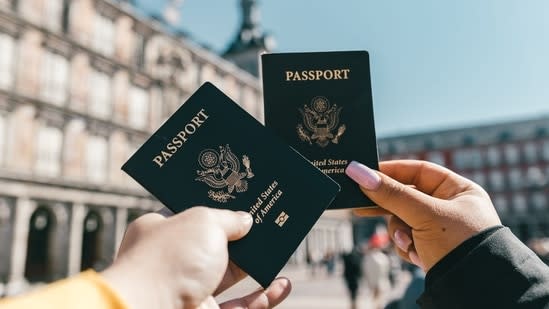
USCIS has confirmed that the H-1B visa cap for FY2027 has been met, ruling out any second lottery round. This cycle was notable for the introduction of a wage-based selection process and a $100,000 petition fee.
H-1B Visa FY2027: Cap Reached and Future Outlook
The End of the FY2027 Lottery Cycle
In a definitive update, the U.S. Citizenship and Immigration Services (USCIS) has announced that the congressionally mandated caps for the H-1B visa program for fiscal year 2027 have been fully satisfied. The agency confirmed that it has received sufficient petitions to fill both the 65,000 regular cap and the 20,000 U.S. advanced degree exemption cap, commonly referred to as the master’s cap. Consequently, USCIS has officially stated that there will be no second lottery round for this fiscal year, ending speculation among applicants and employers who were hoping for additional selection opportunities.
A Shift Toward Wage-Based Selection
The FY2027 cycle marked a historic departure from traditional selection methods. For the first time, USCIS implemented a wage-based lottery system rather than relying on the long-standing random selection process. This structural change was designed to prioritize higher-compensated positions, reflecting an evolving federal approach to the H-1B program. By favoring higher wages, the agency aims to ensure that the visa program is utilized for roles that command significant market value, potentially reducing the reliance on entry-level positions that have historically dominated the lottery pool.
Financial Hurdles and Employer Obligations
Beyond the change in selection criteria, this year’s cycle introduced significant financial requirements for participating employers. Companies were obligated to pay a $100,000 fee for each H-1B petition filed. This substantial increase in the cost of entry served as a major barrier to participation, fundamentally altering the landscape for small and mid-sized businesses. The financial commitment required to submit a petition likely influenced the volume and quality of applicants, contributing to the rapid fulfillment of the cap.
Implications of Reaching the Cap
The fact that USCIS reached the cap without the need for a second or third lottery suggests that the combination of wage-based prioritization and the high filing fee effectively streamlined the petition process. Historically, the agency holds secondary lotteries only if the initial selection fails to meet the statutory limits. The absence of a second round this year indicates that the demand for the available slots—even under the new, more expensive and selective criteria—remained robust enough to saturate the market immediately.
Future Trends and Policy Trajectory
Looking ahead, the success of the FY2027 process in meeting the cap may set a precedent for future immigration policy. As the U.S. government continues to refine its approach to high-skilled migration, the integration of wage-based metrics and high-cost barriers suggests a push toward a more curated workforce. Stakeholders should anticipate that future H-1B cycles will continue to emphasize economic impact and financial capacity, making it essential for employers to recalibrate their international hiring strategies to align with these rigorous federal standards.
Verification Required?