U.S. military says it has completed the latest round of strikes against Iran, amid more disruptions to shipping
Source Entity
US Top News and Analysis
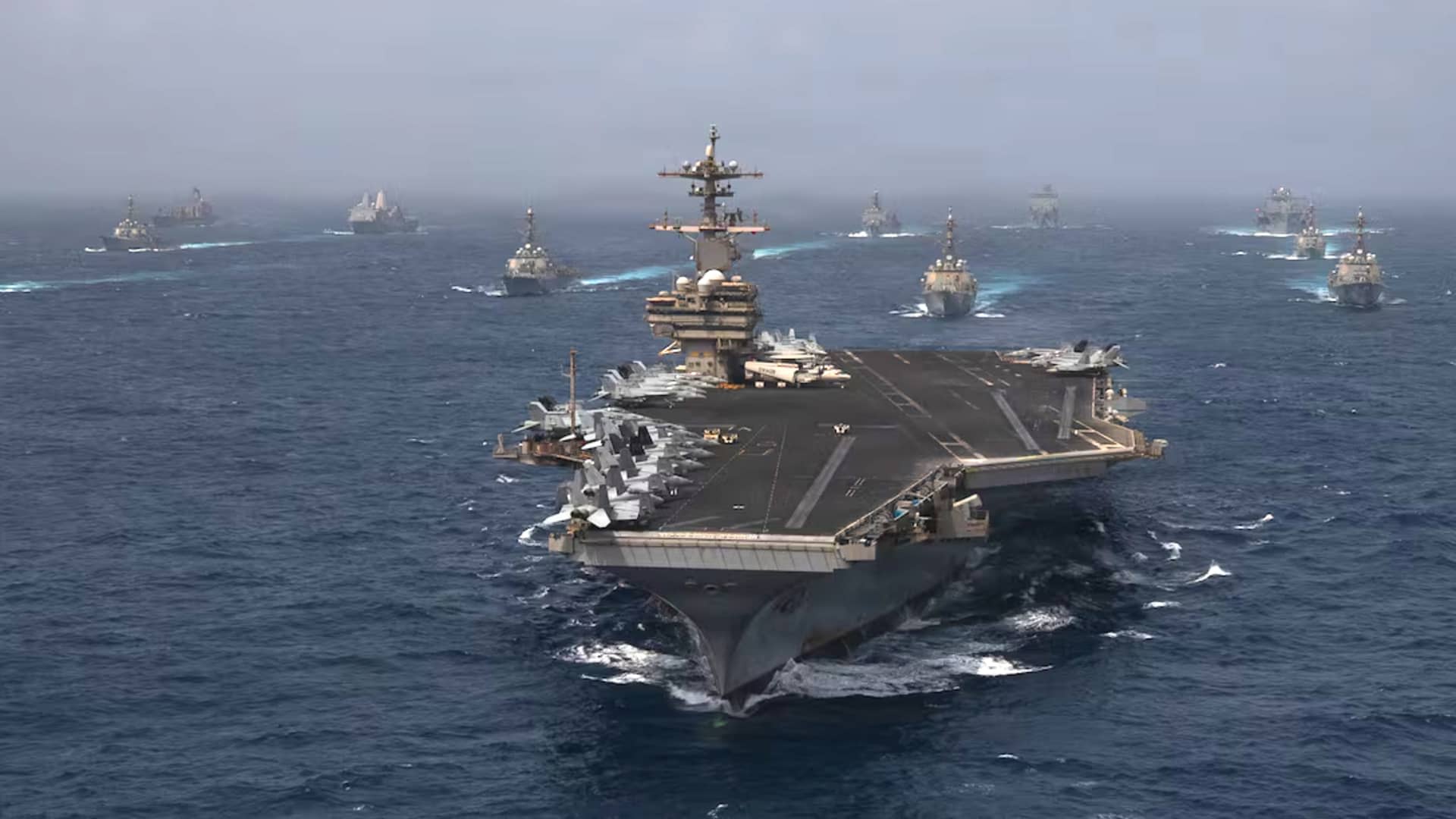
The U.S. and Iran are engaged in a seventh consecutive night of military conflict, with the U.S. striking Iranian infrastructure while Iran targets regional allies like Kuwait. The fragile ceasefire has collapsed, leading to significant regional instability and disruptions to critical maritime and energy infrastructure.
The Escalating Conflict: US-Iran Standoff Intensifies
The ongoing geopolitical crisis in the Middle East has reached a critical inflection point as the United States military concluded its seventh consecutive night of precision strikes against Iranian military targets. This military campaign, directed by U.S. Central Command (CENTCOM), follows the formal collapse of a temporary ceasefire agreement as declared by President Donald Trump. The strikes have systematically targeted Iranian surveillance capabilities, logistics infrastructure, underground weapons storage facilities, and maritime assets, marking a significant intensification in the regional security landscape.
The Fragility of Regional Stability
The conflict, which traces its recent origins back to U.S. and Israeli strikes on February 28, has severely undermined the stability of the Gulf region. The interim agreement, which was designed to secure the strategically vital Strait of Hormuz, has effectively unraveled. As U.S. forces work to degrade Iranian military capabilities, the retaliatory posture of the Islamic Revolutionary Guard Corps (IRGC) has expanded beyond direct confrontations with U.S. forces to include strikes against regional allies, further complicating the theater of operations.
Impact on Infrastructure and Energy Security
The ripple effects of this escalation are being felt across the Arabian Peninsula. In a significant development, Kuwait reported a direct attack on a critical power generation and water desalination plant, resulting in a fire and the subsequent shutdown of several power units. Simultaneously, the suspension of operations at Kuwait International Airport highlights the severe logistical and civilian disruptions caused by the influx of Iranian missile and drone threats. These attacks on civilian infrastructure demonstrate a shift in the nature of the conflict, moving from purely military targets to essential public services.
Maritime and Territorial Tensions
The Strait of Hormuz remains the primary flashpoint of this conflict. While the IRGC claims that two oil tankers were struck within a mined section of the shipping channel, CENTCOM has explicitly dismissed these allegations as false. This discrepancy in reporting underlines the ongoing information war accompanying the physical kinetic strikes. Furthermore, the interception of Iranian missiles by Jordanian, Kuwaiti, and Bahraini forces indicates that the reach of this conflict has expanded significantly, putting multiple sovereign nations in the direct line of fire.
Strategic Implications and Future Outlook
The current enforcement of a naval blockade by the U.S. Navy in the Arabian Sea signifies a long-term commitment to curbing Iranian regional influence. As the U.S. continues to promote regional security through force, the risk of miscalculation remains exceptionally high. The systematic destruction of Iranian radar installations and military logistics suggests that the U.S. strategy is focused on long-term degradation of Iran’s offensive capabilities. However, the recurring nature of these strikes suggests that a diplomatic resolution is currently off the table, portending a period of protracted regional volatility.
Conclusion
The collapse of the ceasefire marks a dangerous new chapter in U.S.-Iran relations. With the conflict now encompassing direct strikes on critical infrastructure in Kuwait and sustained naval operations in the Arabian Sea, the regional security architecture is under unprecedented strain. The international community remains on high alert as both the U.S. and Iran continue to escalate their military activities, leaving the future of Gulf energy security and maritime trade in a state of deep uncertainty.
Multiple Citing Sources