US launches fresh strikes on Iran, as Trump warns of retaliation for death of soldiers
Source Entity
BBC News
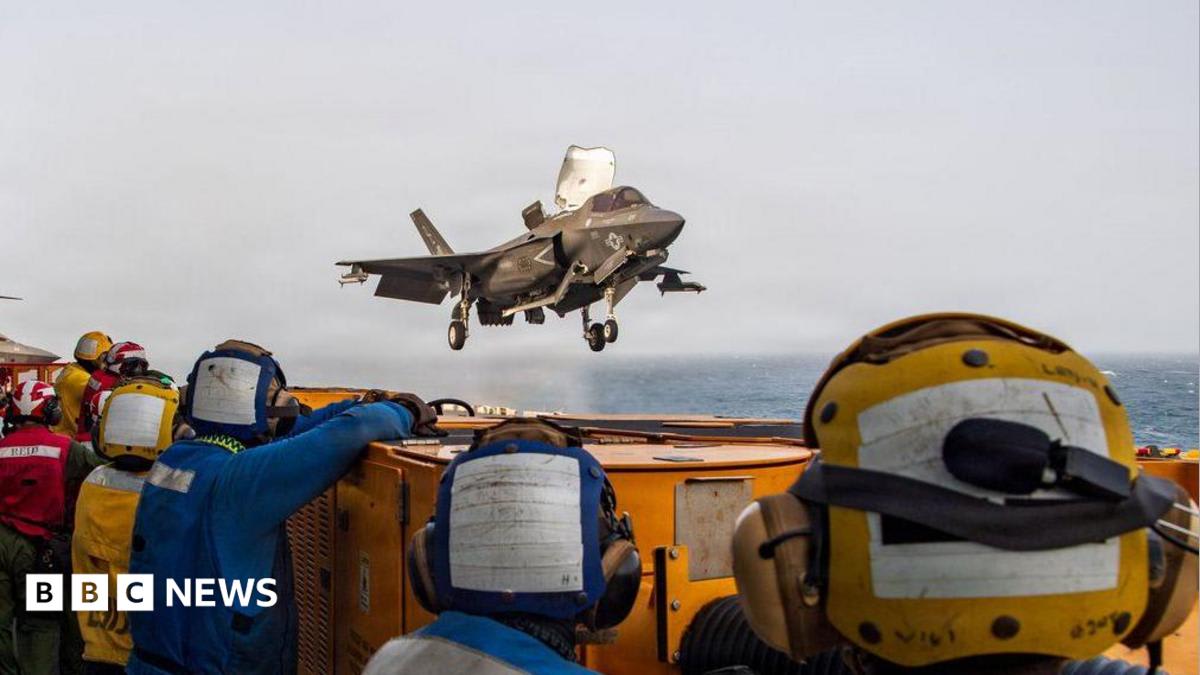
The U.S. and Iran are engaged in a rapidly escalating military conflict following the deaths of multiple American service members. President Trump has vowed severe retaliation as both nations trade strikes, marking a period of heightened regional instability.
Escalation in the Middle East: A Deep Dive into US-Iran Tensions
The current military engagement between the United States and Iran represents a significant shift in regional security dynamics. Following the deaths of American service members in Jordan and Iraq, the United States has initiated a consistent campaign of offensive strikes, marking ten consecutive nights of military action. These strikes are explicitly aimed at degrading Iran’s capacity to disrupt maritime traffic in the Strait of Hormuz, a critical global shipping artery.
The Human Cost and Military Toll
Beyond the strategic targeting of military and communications infrastructure, the human toll of this conflict has reached concerning levels. Reports indicate that over 400 U.S. soldiers have been injured since the escalation began. The loss of life—including troops killed in Jordan, Iraq, and a recent incident involving the handling of debris from a downed Iranian drone—has intensified the urgency of the American response. With one service member still reported as missing, the operational environment remains volatile and unpredictable.
Strategic Objectives and Presidential Directives
President Donald Trump has taken a hardline stance, publicly directing Secretary of Defense Pete Hegseth and Chairman of the Joint Chiefs of Staff General Daniel Caine to ensure a disproportionate response to Iranian aggression. The rhetoric from the White House emphasizes that Iran will pay "many times over" for every American soldier lost. This directive highlights a shift toward a more aggressive deterrence strategy, moving away from limited engagement toward a sustained effort to dismantle Iranian offensive capabilities.
Iran’s Response and the Risk of Total War
Tehran has mirrored this escalation, with President Masoud Pezeshkian characterizing the current situation as a "full-scale war." Iran has reportedly targeted sites in Bahrain, Jordan, and Syria, signaling a multi-front approach to the conflict. The Iranian military’s willingness to engage across these borders suggests that the conflict has expanded well beyond isolated skirmishes, creating a complex web of regional hostilities that complicates diplomatic intervention.
Diplomatic Channels Amidst Kinetic Conflict
Despite the overt military confrontation, there are indications that the lines of communication remain open. Tehran has confirmed that diplomatic messages are still being exchanged through intermediaries. This suggests a "dual-track" reality: while both nations are engaged in high-intensity kinetic warfare, there is a lingering recognition of the need for back-channel diplomacy to prevent an uncontrollable regional conflagration.
Future Trends and Regional Implications
Looking ahead, the trajectory of this conflict depends heavily on the effectiveness of US strikes in neutralizing Iranian drone and missile capabilities and the extent of Iran’s willingness to escalate further. The situation in the Strait of Hormuz remains a primary concern for the global economy, as any prolonged disruption could lead to significant energy market volatility. The international community will be watching closely to see if the ongoing diplomatic exchanges can yield a de-escalation framework before the conflict deepens further.
Multiple Citing Sources