US Strikes Iran As Tensions Escalate Over Shipping Routes In Hormuz
Source Entity
NDTV News Search Records Found 1000
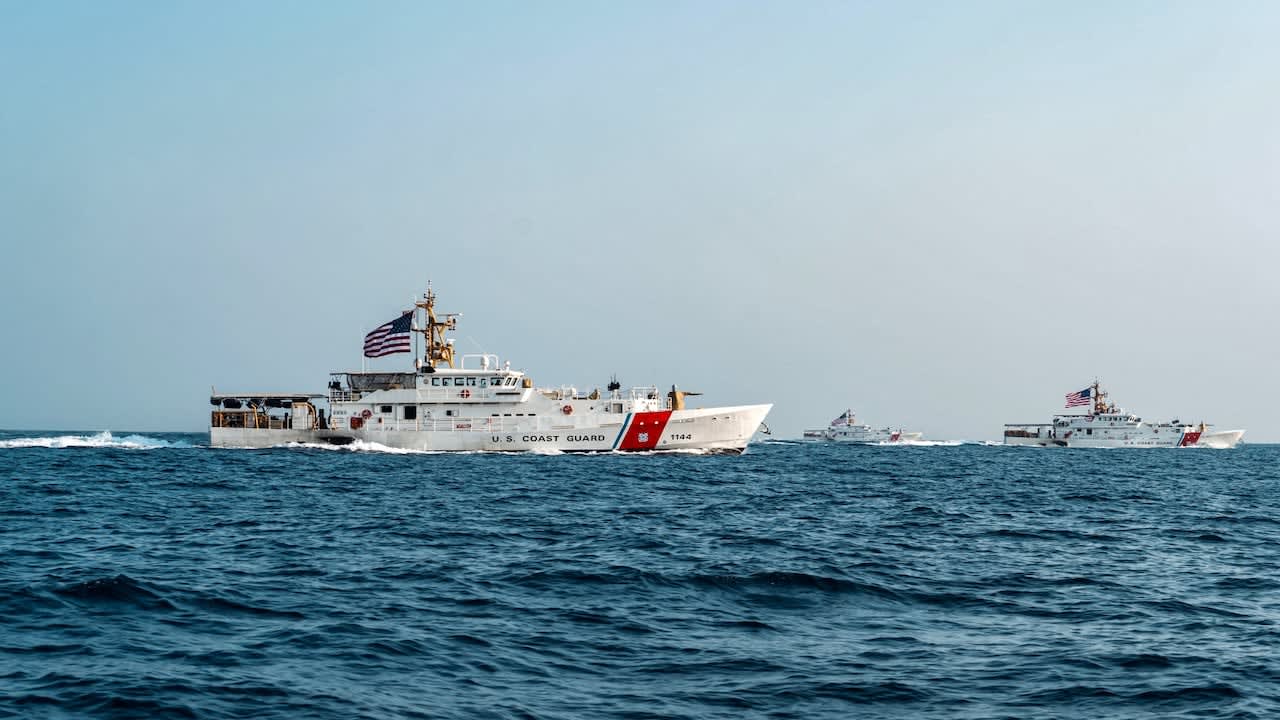
The US and Iran are locked in a 13th consecutive night of military strikes, centered on the strategic Strait of Hormuz. The conflict has severely disrupted commercial shipping and triggered retaliatory missile attacks on US-linked bases across the Gulf.
Escalation in the Gulf: A 13-Night Conflict
The ongoing military confrontation between the United States and Iran has reached a critical juncture, with the US military confirming a 13th consecutive night of airstrikes. This latest phase of hostilities, which follows the collapse of an interim truce, represents a significant intensification of regional instability. The conflict has moved beyond diplomatic posturing into a direct, sustained kinetic engagement, with both nations trading blows that have far-reaching implications for global security and economic stability.
The Strategic Choke Point: Strait of Hormuz
At the heart of this conflict lies the Strait of Hormuz, a narrow waterway essential for global energy supplies. The repeated strikes on Qeshm Island and the surrounding region highlight the strategic importance of this maritime corridor. By targeting Iranian military capabilities in this area, the US aims to degrade Tehran's ability to threaten commercial shipping. However, the result has been the effective closure of the strait to commercial traffic, creating a bottleneck that threatens to exacerbate global supply chain disruptions and energy price volatility.
Retaliation and Regional Spread
Tehran has responded to the US campaign by launching missile attacks on neighboring countries that host US military bases, as well as targeting US-linked facilities in the region. Reports of explosions near Erbil airport in Iraq and military sites in Bandar Abbas illustrate the broadening geographical scope of the conflict. This tit-for-tat exchange risks dragging regional partners into a wider conflagration, as Iran seeks to project power and deter further US intervention through asymmetric warfare tactics.
Political Rhetoric and Economic Stakes
Reflecting the high political stakes, former President Donald Trump has asserted that Iran will be held financially responsible for the damage caused during these hostilities. This rhetoric underscores a shift toward viewing the conflict through the lens of economic warfare, where the financial burden of the war is weaponized alongside traditional military assets. The insistence that Iran will pay for damages adds a layer of economic retribution to the tactical military objectives of the US campaign.
Future Trends and Regional Stability
Looking ahead, the longevity of these strikes suggests that neither side is currently prepared to de-escalate. The collapse of the recent interim truce has left a power vacuum that is being filled by continuous military posturing. If the Strait of Hormuz remains closed, the international community will likely face mounting pressure to intervene diplomatically to prevent a full-scale economic crisis. Future developments will depend on whether the US can successfully neutralize Iranian naval threats without triggering a broader regional war that could engulf Iraq, the Gulf states, and beyond.
Conclusion
The situation remains highly fluid and dangerous. As the conflict enters its third week, the focus remains on the military standoff in the Gulf and the potential for further retaliatory strikes. The international community continues to watch closely as the exchange of fire threatens to permanently alter the security architecture of the Middle East.
Multiple Citing Sources
Verification Required?