Joint U.S.-Japanese intervention boosts the yen — but will it be enough?
Source Entity
Jules Rimmer
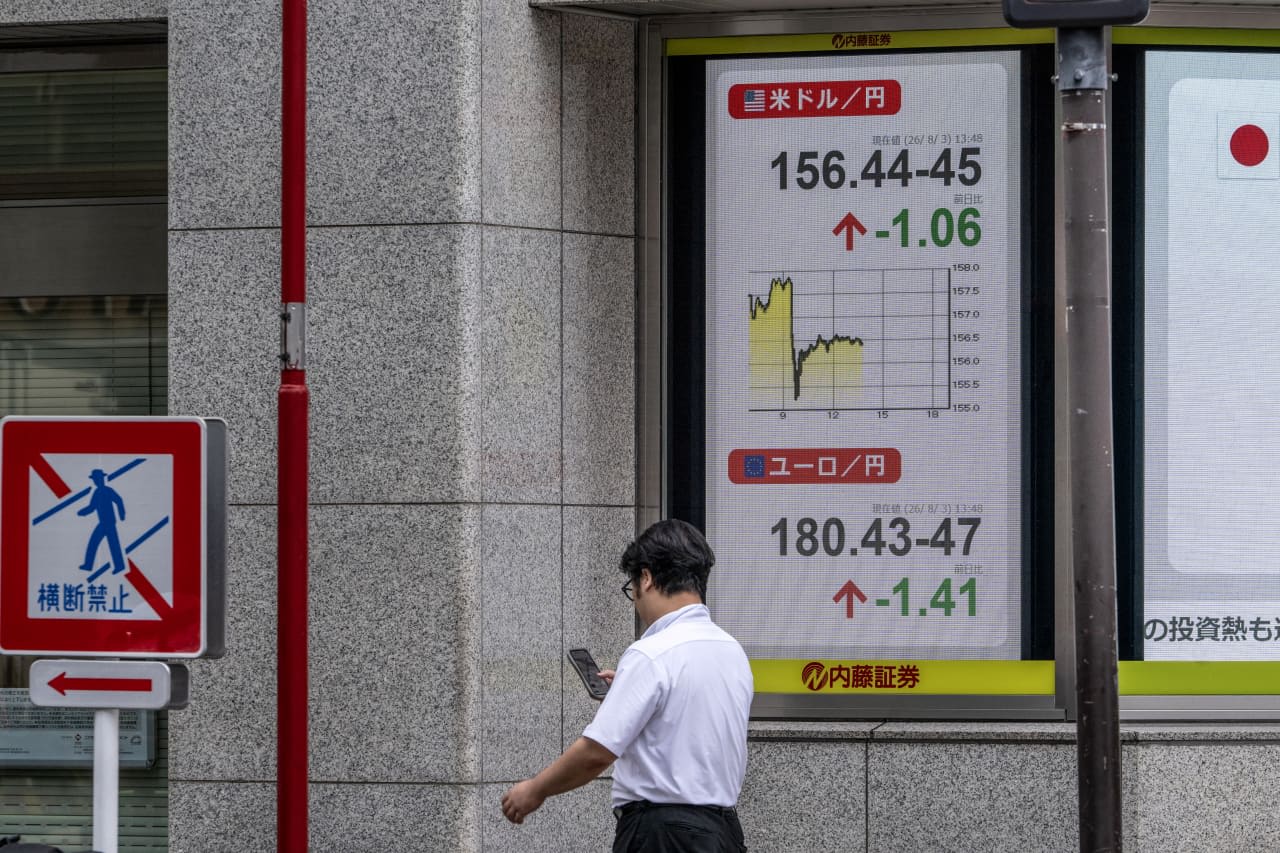
The U.S. and Japan have conducted a rare joint market intervention to stabilize the yen after it hit four-decade lows. While the move provided an immediate boost, analysts warn that persistent interest rate differentials may limit long-term success.
The Return of Coordinated Forex Intervention
For the first time since 1998, the United States and Japan have engaged in a joint operation to support the Japanese yen. This rare intervention, aimed at curbing the currency’s rapid depreciation, saw the yen recover from a staggering low of 163.73 against the dollar to approximately 157.57. This move represents a significant shift in policy, highlighting Washington's growing concern over the stability of the Japanese financial system and its potential impact on broader U.S. Treasury markets.
Motivations Behind the Shift
The decision to intervene was driven by the yen's descent to its weakest level in nearly four decades. Tokyo had grown increasingly alarmed by the currency's slide, which threatened domestic economic stability and inflationary pressures. By joining forces, the U.S. and Japan aimed to send a clear signal to market speculators that the rapid, one-sided devaluation of the yen was no longer acceptable, providing an immediate 5% bounce in the currency's value in recent sessions.
The Challenge of Interest Rate Differentials
Despite the immediate market reaction, the core issue facing the yen remains the stark disparity in interest rates between the two nations. Japan continues to maintain significantly lower interest rates compared to the United States. Financial strategists widely agree that interest rate differentials are the primary arbiter of exchange rate directions. As long as the Bank of Japan (BoJ) continues a path of gradual policy normalization while U.S. rates remain elevated, the fundamental pressure on the yen is likely to persist.
Analyzing Market Fundamentals
Analysts at firms like UBS have expressed skepticism regarding the longevity of this rally. The consensus is that the current policy mix in Japan is unlikely to generate sustained strength for the yen. With real interest rates remaining negative, the currency continues to grapple with fundamental weakness that simple intervention cannot fully resolve. The intervention acts as a temporary firewall rather than a long-term solution to the economic realities of the current interest rate environment.
Broader Implications and Future Trends
Looking ahead, the effectiveness of this intervention will be tested by the market's reaction to future monetary policy decisions. While the joint action successfully prevented a further breach of historic lows, the long-term trajectory of the yen remains tied to the BoJ's ability to narrow the gap with U.S. yields. Future trends will likely depend on how aggressively Japan moves toward policy normalization and whether the U.S. Federal Reserve shifts its own stance on interest rates, which would alleviate some of the upward pressure on the dollar.
Conclusion
The coordinated U.S.-Japan intervention serves as a powerful reminder of the influence major central banks can exert on global currency markets. While it successfully provided a short-term reprieve for the battered yen, the persistent gap in interest rate policies remains a formidable obstacle. Moving forward, the global financial community will be watching closely to see if this intervention marks a new era of cooperation or merely a temporary measure in a larger struggle against macroeconomic fundamental trends.
Multiple Citing Sources
Verification Required?