US Launches New Round Of Strikes On Iran, Now 10th Nights In A Row
Source Entity
NDTV News Search Records Found 1000
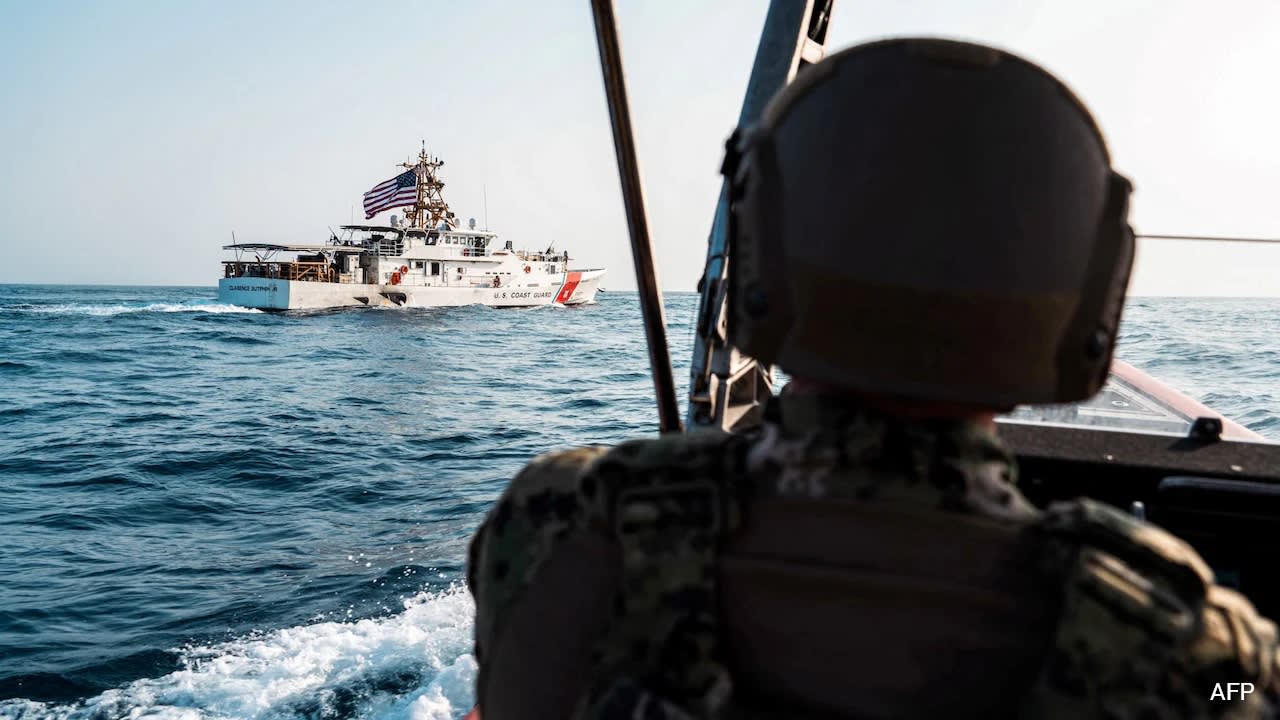
The United States has initiated its tenth consecutive night of airstrikes against Iranian military targets. These operations are explicitly focused on degrading Iran's long-term offensive capabilities.
Escalation in the Middle East: A Strategic Overview
The current geopolitical landscape has shifted dramatically with the announcement that the United States has conducted its tenth consecutive night of airstrikes against Iranian-backed military assets. This unprecedented string of operations marks a significant intensification in regional tensions, reflecting a calculated shift in U.S. military strategy. By maintaining a persistent operational tempo over ten days, the U.S. is signaling a departure from isolated, retaliatory strikes toward a sustained campaign of attrition.
The Strategic Objective: Degrading Capabilities
According to official statements, the primary objective of these ongoing strikes is to 'further degrade Iranian military capabilities.' This language suggests that the U.S. military is not merely reacting to specific provocations but is actively targeting the infrastructure—such as command-and-control centers, logistics hubs, and weapon storage facilities—that facilitates Iranian influence in the region. The goal is to systematically reduce the operational effectiveness of these forces, thereby limiting their capacity to project power or threaten regional stability.
Historical Context and Regional Dynamics
To understand the gravity of these events, one must look at the historical pattern of U.S.-Iran proxy warfare. For years, the region has been defined by a 'gray zone' conflict, where tensions rarely escalated into direct military confrontation. However, the current deployment of ten consecutive nights of strikes indicates that this threshold has been breached. The persistence of these operations suggests a lack of diplomatic off-ramps in the immediate term, as both sides appear to be recalibrating their deterrence postures.
Broader Implications for Global Security
These developments carry profound implications for the global security architecture. The sustained degradation of Iranian military assets could potentially lead to a vacuum of power in certain areas, inviting further instability or prompting Iran to respond through asymmetric means, such as cyber warfare or the activation of regional proxies. As these strikes continue, the international community faces the challenge of preventing a localized conflict from spiraling into a broader regional war that could disrupt global energy markets and maritime trade routes.
Forecasting Future Trends
Looking ahead, the trajectory of this conflict depends heavily on whether these strikes achieve their intended deterrent effect. If the degradation of capabilities proves successful, the U.S. may eventually transition back to a posture of containment. However, if the strikes fail to compel a change in behavior, the risk of miscalculation increases. Future trends will likely be dictated by how Iran attempts to reconstitute its lost assets and whether the U.S. decides to expand the scope of its targets beyond existing military infrastructure.
Conclusion
The ten-day streak of U.S. military operations against Iranian targets represents a pivotal moment in contemporary international relations. By focusing on the systematic degradation of military infrastructure, the United States is attempting to reshape the regional balance of power. As the situation remains fluid, the international community must closely monitor the impact of these strikes on regional stability and the potential for long-term escalation.
Verification Required?