US man arrested for wiping phone during airport search; Android OS may trouble Europe travellers
Source Entity
TOI TECH DESK
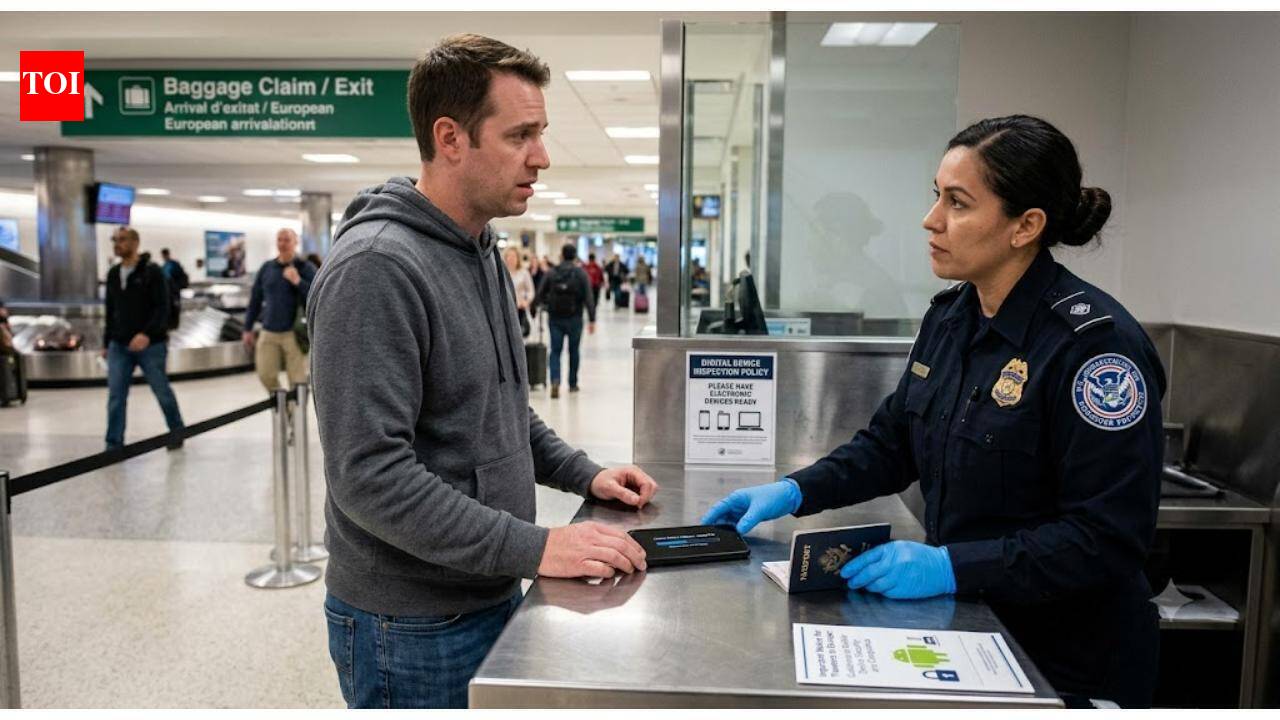
A federal case in Atlanta against Samuel Tunick centers on the use of privacy-focused GrapheneOS, raising legal concerns about data wiping during searches. Authorities in the US and Europe are increasingly scrutinizing individuals who utilize such software to prevent data access.
The Intersection of Privacy Software and Federal Law
A burgeoning legal conflict in Atlanta has brought the use of privacy-focused mobile software under intense federal scrutiny. Samuel Tunick, an Atlanta resident, is currently facing prosecution by the U.S. Department of Justice for allegedly wiping his smartphone during an airport search to prevent authorities from accessing its data. This case, centered on the use of GrapheneOS—a custom Android-based operating system designed for security—highlights a growing tension between individual privacy rights and the investigative powers of law enforcement.
Understanding GrapheneOS and Its Legal Standing
GrapheneOS is a security-hardened, open-source version of Android designed to protect users from unauthorized data extraction and surveillance. While its developers maintain that the software is entirely legal and serves as a tool for digital autonomy, federal prosecutors in the U.S. argue that the act of wiping a device to thwart a search constitutes the destruction of property intended to prevent seizure. This legal maneuver shifts the focus from the software itself to the user's intent during a confrontation with border authorities.
Global Implications for Travelers
The implications of this case extend beyond U.S. borders, as reports indicate that authorities in Europe are also viewing the use of GrapheneOS with increased suspicion. Travelers utilizing such privacy-focused operating systems may find themselves subject to heightened secondary screenings or legal challenges if their devices are perceived as being intentionally obscured. This suggests a shifting landscape where the mere presence of advanced encryption or privacy tools could be interpreted as a potential indicator of criminal intent.
The Cybersecurity Perspective
Cybersecurity researchers are closely monitoring the Atlanta case, as it sets a significant precedent regarding how 'privacy-by-design' features are treated in a courtroom. If the prosecution successfully argues that utilizing software designed to prevent unauthorized access is equivalent to obstruction or the destruction of evidence, it could create a chilling effect on the adoption of privacy-enhancing technologies. Researchers emphasize that these tools are standard for journalists, activists, and privacy-conscious citizens, not just bad actors.
Future Trends in Digital Privacy
As governments globally push for greater access to encrypted devices, the divide between law enforcement capabilities and consumer privacy tools is widening. This case is likely to serve as a bellwether for future legislation and judicial rulings regarding the right to digital privacy during transit. Moving forward, travelers may face a complex environment where the tools they use to protect their data could inadvertently lead to legal entrapment, necessitating a clearer legal definition of what constitutes a 'reasonable' expectation of privacy in the digital age.