Banking on the dollar: How Iran keeps $9bn flowing through US banks despite sanctions
Source Entity
PRISHA PATNAIK
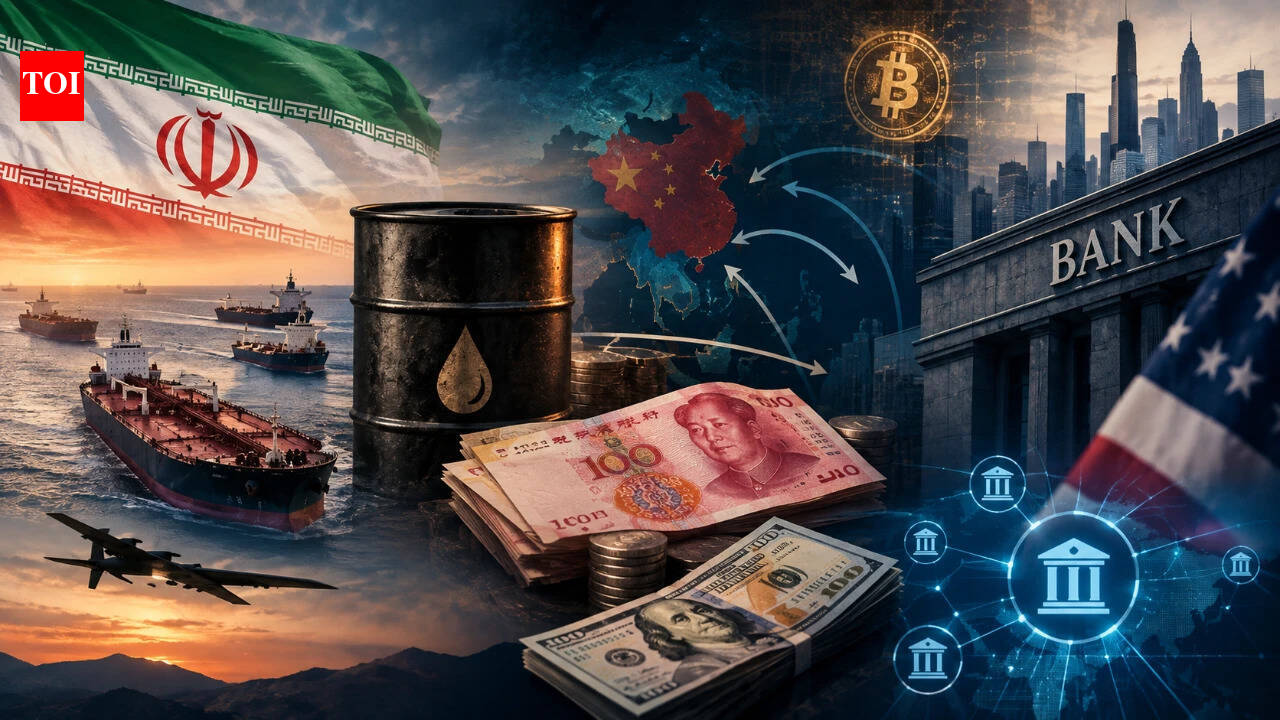
The U.S. Treasury has targeted Banque Misr’s UAE branches for facilitating Iranian shadow-banking transactions, marking a significant escalation in sanctions enforcement. This move highlights the persistent challenge of closing loopholes in the global financial system that allow billions in Iranian funds to flow through Western institutions.
The Escalation of 'Operation Economic Outcast'
On August 28, U.S. Treasury Secretary Scott Bessent initiated a significant expansion of 'Operation Economic Outcast,' specifically designating the United Arab Emirates (UAE) branches of Banque Misr as a 'primary money laundering concern.' This move marks a strategic shift in Washington’s approach to curbing Iran’s financial reach, moving beyond general sanctions to targeting specific institutional conduits that act as bridges between Iranian shadow networks and the global financial system.
Targeting the Correspondent Banking Loophole
The core of the Treasury’s intervention involves the Financial Crimes Enforcement Network (FinCEN) proposing 'Special Measure Five' under Section 311 of the USA PATRIOT Act. By barring US financial institutions from maintaining correspondent banking accounts for Banque Misr UAE, the Treasury is effectively cutting off the bank’s access to the US dollar clearing system. Correspondent banking is the lifeblood of international trade, and this measure aims to create a 'chokepoint' that renders the institution toxic for any entity seeking to maintain its own access to the American financial market.
The Mechanics of Iran’s Shadow Network
Despite decades of sanctions, Tehran has developed a sophisticated 'shadow-banking' architecture to circumvent Western restrictions. Investigations reveal that Iranian funds often enter the global system through a complex web of front companies, currency exchanges, and foreign financial intermediaries. These entities exploit the distance between the source of the funds and the final clearing house, often using the Chinese yuan, cryptocurrency, and oil-at-sea storage as methods to mask the origin of capital before it touches the US financial perimeter.
The 'Whack-a-Mole' Challenge for Washington
Washington faces a chronic 'whack-a-mole' problem in its sanctions enforcement. While the US successfully squeezes specific institutions like Banque Misr, the underlying demand for Iranian oil and the necessity for Tehran to fund its weapons industry drive the continuous creation of new illicit routes. Even with billions of dollars estimated to still flow through US-linked correspondent accounts, the Treasury’s latest action demonstrates a pivot toward increased transparency and stricter scrutiny of regional financial hubs.
Broader Geopolitical and Economic Implications
The crackdown on Banque Misr UAE serves as a warning to other regional banks that facilitate indirect trade with Iran. As the US attempts to isolate Iran from the global financial system, the collateral effect is increased regulatory burden for Middle Eastern financial institutions. Countries in the region are now forced to choose between maintaining lucrative business relationships with Iran or preserving their essential access to the US dollar, potentially reshaping regional financial alliances in the long term.
Future Trends in Sanctions Enforcement
Looking ahead, it is likely that the US will continue to leverage Section 311 authorities to target specific high-risk branches rather than entire national banking systems. This surgical approach allows for pressure to be applied while minimizing systemic shocks. However, as Iran continues to diversify its payment methods—incorporating digital assets and alternative currencies—the efficacy of traditional US dollar-based sanctions will continue to be tested, necessitating a more integrated, multilateral approach to global financial oversight.