US strikes Iran's coastal defences, missile sites on Greater Tunb Island
Source Entity
Latest News: Today's Latest News Headlines from India & World | Hindustan Times | Hindustan Times
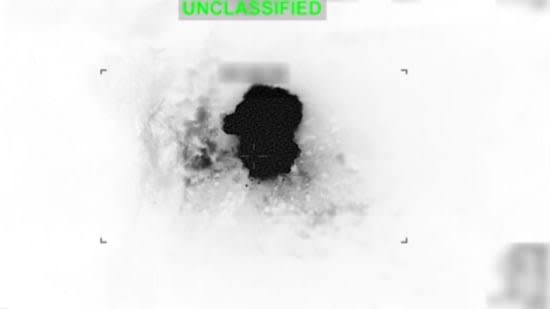
The US military has carried out targeted strikes on Iranian coastal defenses and missile sites on Greater Tunb Island to degrade Tehran's ability to threaten commercial shipping in the strategic Strait of Hormuz.
Strategic Escalation: US Strikes on Greater Tunb Island
In a significant escalation of regional tensions, the United States military has executed targeted strikes against Iranian coastal defenses and missile installations located on Greater Tunb Island. According to official military statements, the primary objective of this operation was to degrade the Islamic Republic of Iran's capability to target and disrupt commercial shipping lanes within the Strait of Hormuz. This move signals a shift toward a more proactive posture by the US to ensure the freedom of navigation in one of the world's most critical maritime chokepoints.
The Strategic Significance of Greater Tunb
Greater Tunb Island holds immense geopolitical and tactical value due to its location near the entrance of the Strait of Hormuz. By maintaining missile sites and coastal defenses on this island, Iran has historically been able to project power over the narrow waterway, effectively creating an "Anti-Access/Area Denial" (A2/AD) zone. The ability to monitor and potentially strike vessels passing through the Strait gives Tehran significant leverage over global energy markets, as a substantial portion of the world's liquefied natural gas and crude oil passes through this corridor daily.
Neutralizing Asymmetric Threats
The US military's decision to target these specific sites is a calculated effort to dismantle the infrastructure used for asymmetric warfare. Coastal defenses, including shore-to-ship missiles and advanced radar arrays, allow Iran to launch surprise attacks on commercial tankers or naval assets. By degrading these capabilities, the US aims to lower the risk of accidental or intentional maritime skirmishes that could lead to a full-scale naval blockade. This operation underscores a strategy of "preventative degradation," where the US seeks to remove the tools of aggression before they can be utilized in a crisis.
Economic Implications and Global Energy Security
The Strait of Hormuz is the world's most important oil transit chokepoint. Any perceived instability in this region typically triggers immediate volatility in global oil prices. While the US strike was intended to secure shipping, the act of striking Iranian territory may initially cause market anxiety. However, in the long term, the degradation of Iran's ability to threaten shipping may provide a stabilizing effect by reducing the likelihood of a total closure of the Strait, which would have catastrophic consequences for the global economy and energy security.
Geopolitical Fallout and Potential for Escalation
This strike is likely to be viewed by Tehran as a violation of sovereignty, potentially leading to retaliatory measures. Historically, Iran has responded to US military actions through proxy forces in Iraq, Syria, or Yemen, or through cyber warfare. The risk of a tit-for-tat cycle of escalation is high, as both nations seek to maintain their prestige and strategic interests in the Persian Gulf. The international community will likely be watching closely to see if this operation serves as a deterrent or as a catalyst for a broader regional conflict.
Conclusion and Future Outlook
The strikes on Greater Tunb Island represent a bold attempt by the US to redefine the security architecture of the Strait of Hormuz. By physically removing the threat to commercial shipping, the US is attempting to enforce a status quo of open maritime trade. Moving forward, the stability of the region will depend on whether Iran chooses to accept the degradation of its coastal defenses or attempts to rebuild them, potentially leading to further military confrontations. The outcome will ultimately determine the balance of power in the Persian Gulf for years to come.
Verification Required?