US Treasury cracks down on Iran-linked money networks, sanctions Canadian firms
Source Entity
SUBHADRA SRIVASTAVA
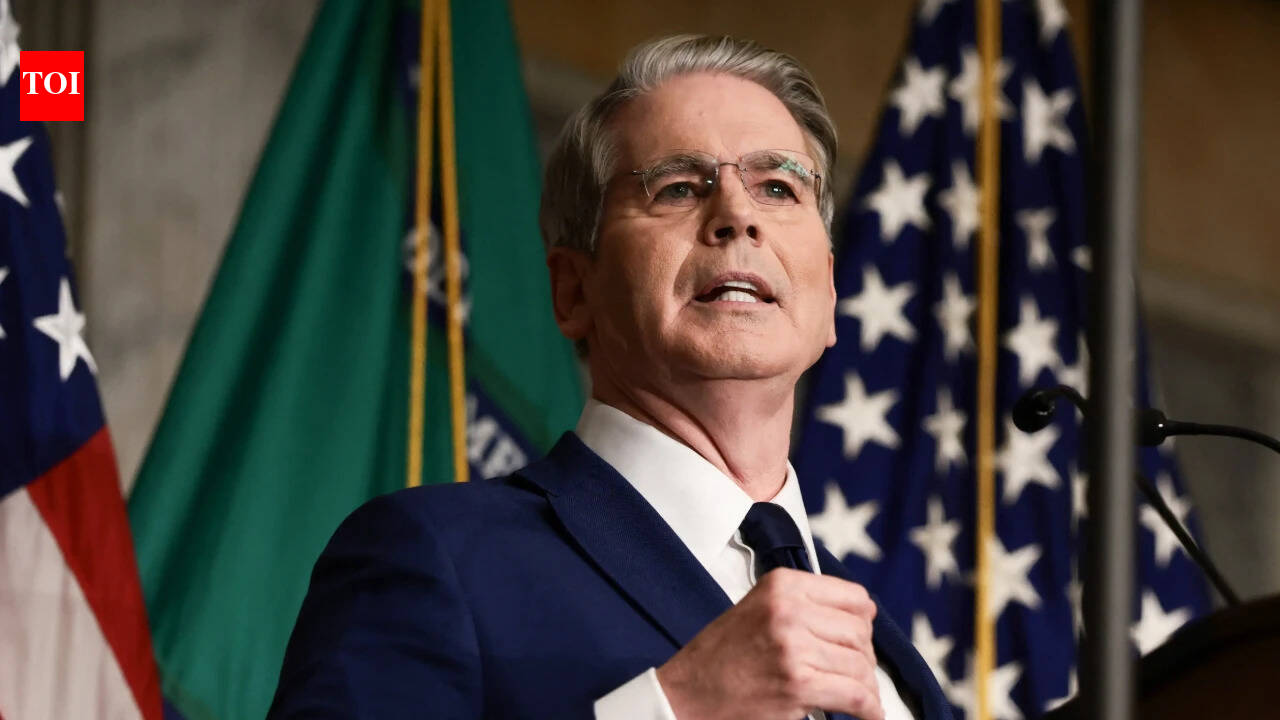
The US Treasury has sanctioned eight Canadian money services firms for allegedly facilitating illicit financial transactions with Iran. This move aims to disrupt global networks using digital assets and cash-based transfers to bypass international sanctions.
US Treasury Targets Canadian Financial Networks
The United States Treasury Department has taken decisive action by imposing strict financial sanctions on eight money services firms operating within Canada. These entities are accused of acting as conduits for sanctioned Iranian interests, effectively bypassing international financial safeguards. By isolating these firms from the US dollar-based financial system, the Treasury is attempting to dismantle the infrastructure that enables Iranian entities to move capital across borders.
The Mechanics of Illicit Transfers
According to the Treasury’s official release, these Canadian firms utilized a combination of traditional cash-based value transfer systems and modern digital asset conversions. This hybrid approach allows illicit actors to obscure the origin and destination of funds, making it increasingly difficult for traditional banking monitoring systems to detect money laundering or sanctions evasion. The use of digital assets, in particular, represents an evolving challenge for global regulators attempting to maintain the integrity of the international financial order.
Strategic Implications for North American Security
US Treasury Secretary Scott Bessent has positioned this crackdown as a necessary measure to protect the integrity of the US financial system. The assertion that Canada serves as a hub for hundreds of money services businesses capable of moving funds into Iran highlights a growing tension regarding cross-border financial oversight. This incident underscores the broader geopolitical reality that sanctions are no longer just about state-to-state trade restrictions; they are increasingly focused on the mid-level financial intermediaries that facilitate global illicit trade.
Regulatory Impact and Future Trends
These sanctions effectively freeze any assets the affected firms may hold within the United States and prohibit any US-based persons or entities from engaging in business with them. This move is likely to trigger a ripple effect, forcing other money services businesses in the region to undergo rigorous compliance audits. As digital assets continue to bridge the gap between traditional fiat currencies and borderless transfers, we can expect the US Treasury to intensify its scrutiny of non-bank financial institutions that operate in jurisdictions with perceived regulatory gaps.
Conclusion: A Shift in Sanctions Enforcement
Ultimately, this development reflects a shift in the US approach to counter-proliferation financing. By targeting the specific service providers that enable Iranian financial mobility, the Treasury is moving beyond broad-stroke economic sanctions to surgical, targeted enforcement. This strategy aims to increase the cost of doing business with sanctioned entities, thereby creating a deterrent effect that forces financial intermediaries to choose between access to the US dollar and the high-risk, high-reward business of facilitating illicit Iranian capital flows.