US universities face international student enrollment decline as Trump tightens visa and work rules
Source Entity
Latest News: Todays Latest News Headlines from India & World | Hindustan Times
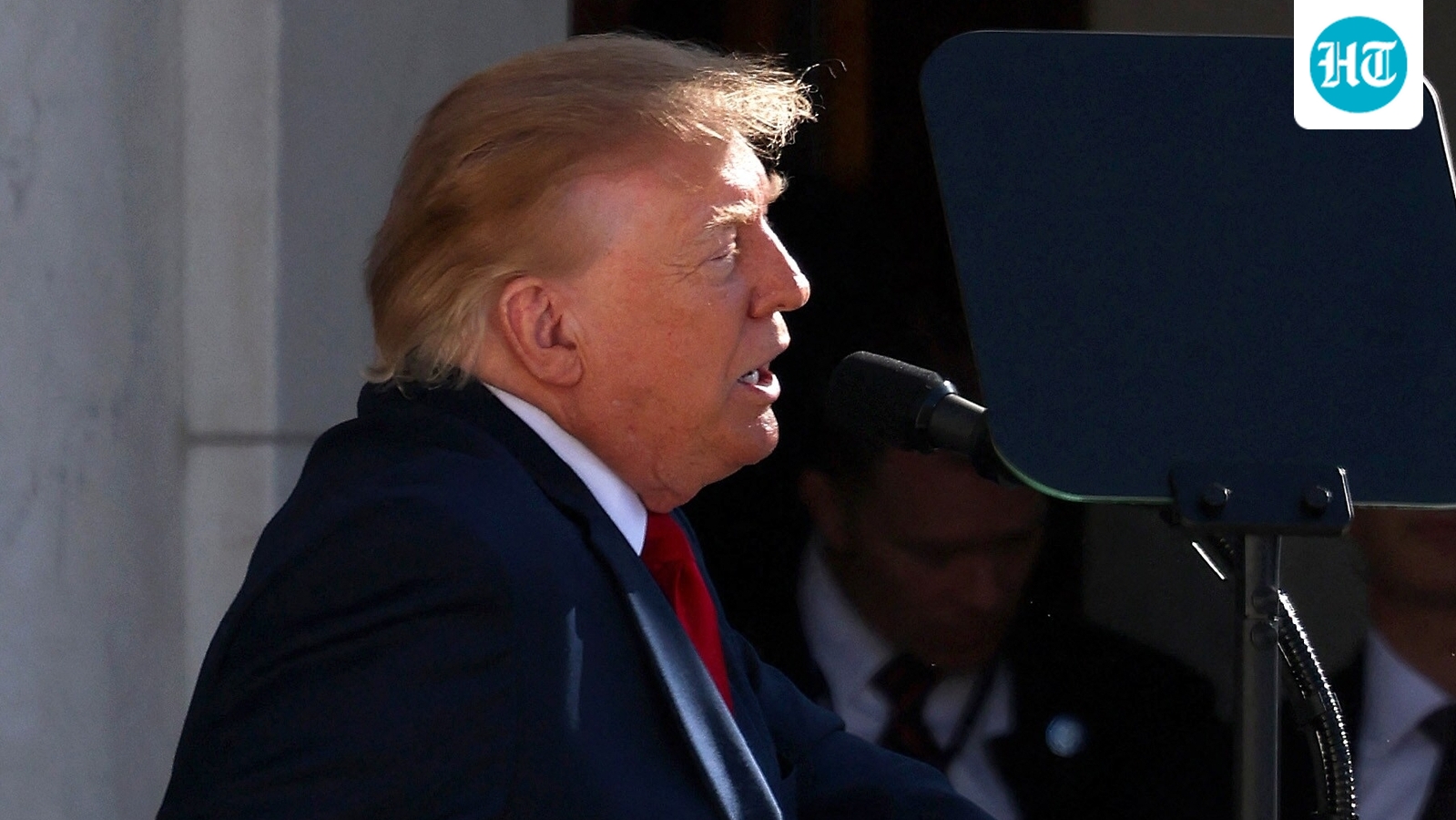
US universities are experiencing a decline in international student enrollment due to stricter visa policies and employment uncertainty. These restrictive measures are driving students toward alternative study destinations, posing significant risks to the financial stability of American higher education.
The Erosion of the American Higher Education Advantage
Recent data indicates that United States universities are grappling with a notable decline in international student enrollment this fall. This trend is directly linked to the current administration's immigration policies, which have introduced stricter visa screening processes and significant appointment delays. As prospective students navigate an increasingly complex and unpredictable regulatory environment, many are choosing to bypass the United States in favor of more welcoming international destinations.
The Impact of Regulatory Uncertainty
At the heart of this decline is the policy shift initiated under President Donald Trump, characterized by an aggressive immigration crackdown. The combination of heightened security protocols and bureaucratic backlogs has created a climate of uncertainty that discourages global talent. Prospective students, who often plan their academic journeys years in advance, are finding the risk of visa denial or prolonged delays to be a deterrent that outweighs the prestige of an American degree.
Financial Implications for Academic Institutions
Beyond the geopolitical implications, the financial health of US colleges is under direct threat. International students contribute significantly to university budgets through higher tuition rates compared to domestic counterparts. When enrollment numbers drop, institutions face substantial revenue gaps, forcing them to reconsider their operational budgets and long-term financial planning. The proposed $70,000 fee for Optional Practical Training (OPT) is a specific point of contention that further discourages students who view post-graduation work experience as a critical component of their education.
Global Competition for Talent
Historically, the US has been the primary destination for international students seeking high-quality higher education. However, as the American landscape becomes more restrictive, other nations are positioning themselves as more accessible alternatives. By tightening visa rules and limiting work opportunities, the US is inadvertently ceding its competitive edge to countries that are actively courting global talent with more streamlined visa processes and clearer paths to professional development.
Future Trends and Strategic Risks
The long-term consequences of these enrollment declines extend beyond immediate balance sheets. By failing to attract the next generation of global researchers, engineers, and entrepreneurs, the US risks diminishing its capacity for innovation. If these policies remain in place, American universities may see a sustained erosion of their global rankings and a reduction in the diversity of thought that has long been a hallmark of the US academic environment.
Conclusion
The current downturn in international enrollment is a clear indicator that the US higher education sector is highly sensitive to national immigration policy. Unless there is a shift toward more predictable visa processes and transparent work opportunities, the attractiveness of American institutions will continue to wane. The future of US academic leadership depends on its ability to balance national security concerns with the necessity of remaining an open and welcoming hub for global intellectual talent.
Verification Required?