US voters roundly reject data centers in ballot measures
Source Entity
Hacker News
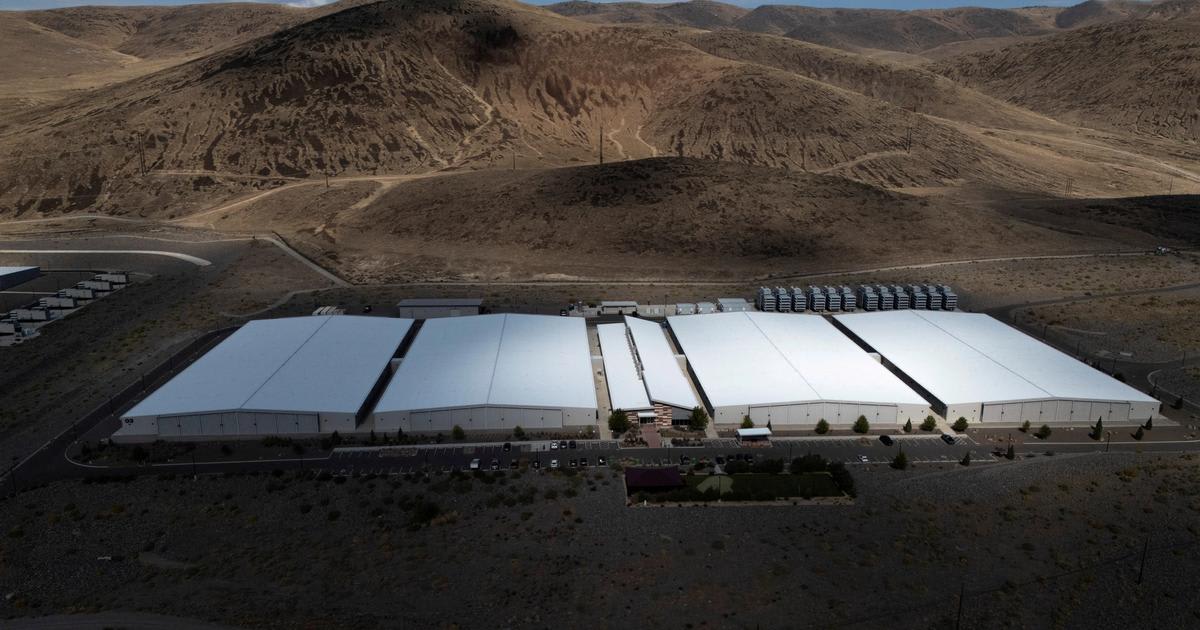
American voters have decisively rejected local data center projects across nine states, signaling a growing public backlash against the infrastructure required for the AI boom. This shift in local sentiment is forcing both Democratic and Republican politicians to distance themselves from tech-heavy development agendas.
The Grassroots Revolt Against Data Center Expansion
In a significant shift for the American technology landscape, voters across more than 30 localities in nine states have signaled a widespread rejection of data center development. These ballot measures, which include outright bans and restrictive moratoriums, represent a growing tension between the physical requirements of the artificial intelligence revolution and the concerns of local residents. This trend suggests that the 'NIMBY' (Not In My Backyard) sentiment, typically reserved for housing or industrial factories, has now firmly entrenched itself against the hyperscale facilities that power modern cloud computing.
The Mechanics of Local Resistance
The rejection of these projects is not merely symbolic; it is structural and legal. For instance, in Edgewater, Florida, voters opted to enshrine a total ban on data centers directly into the city’s charter, effectively removing the ability for local officials to approve such projects in the future. Similarly, in Perry, Ohio, residents passed measures that impose strict financial and operational constraints on hyperscalers attempting to secure tax incentives. These actions indicate that communities are increasingly sophisticated in their use of ballot initiatives to curb the influence of large technology corporations on their local tax bases and regulatory environments.
Political Realignment and Tech Skepticism
This wave of opposition has fundamentally altered the political calculus for candidates seeking office. During the most recent election cycle, an analysis revealed that Democrats in over 130 federal and gubernatorial races utilized anti-tech or anti-data center rhetoric as a core component of their campaign strategies. This shift has not been limited to one side of the aisle; the mounting pressure has forced even staunch technology boosters, such as Texas Governor Greg Abbott, to reconsider their public stance. When political leaders who once championed AI infrastructure begin to pivot, it underscores the intensity of the populist backlash currently facing the tech sector.
Implications for the AI Buildout
For investors and major technology firms, this trend is a source of significant volatility. The AI buildout requires massive amounts of power, land, and water—resources that are often in direct competition with the needs of local residents. As voters continue to use the ballot box to stall or block these developments, the 'skittishness' among investors is likely to grow. If the current trend of localized bans continues, the costs of site acquisition and regulatory compliance for hyperscalers will likely skyrocket, potentially slowing the pace of global AI infrastructure development.
Looking Ahead: A New Era of Infrastructure Governance
Looking forward, the tech industry faces a difficult path toward reconciliation with local communities. The success of these ballot measures suggests that the era of unfettered, fast-tracked data center construction may be coming to a close. Future projects will likely require a higher degree of transparency, community engagement, and tangible local benefits to overcome the skepticism displayed by voters this cycle. Whether the industry can adapt its expansion model to satisfy these grassroots demands remains the most critical question for the future of AI-driven infrastructure.