US water facilities targeted by ‘malicious cyber actors’ – who’s to blame?
Source Entity
Nick Robins-Early and Dara Kerr
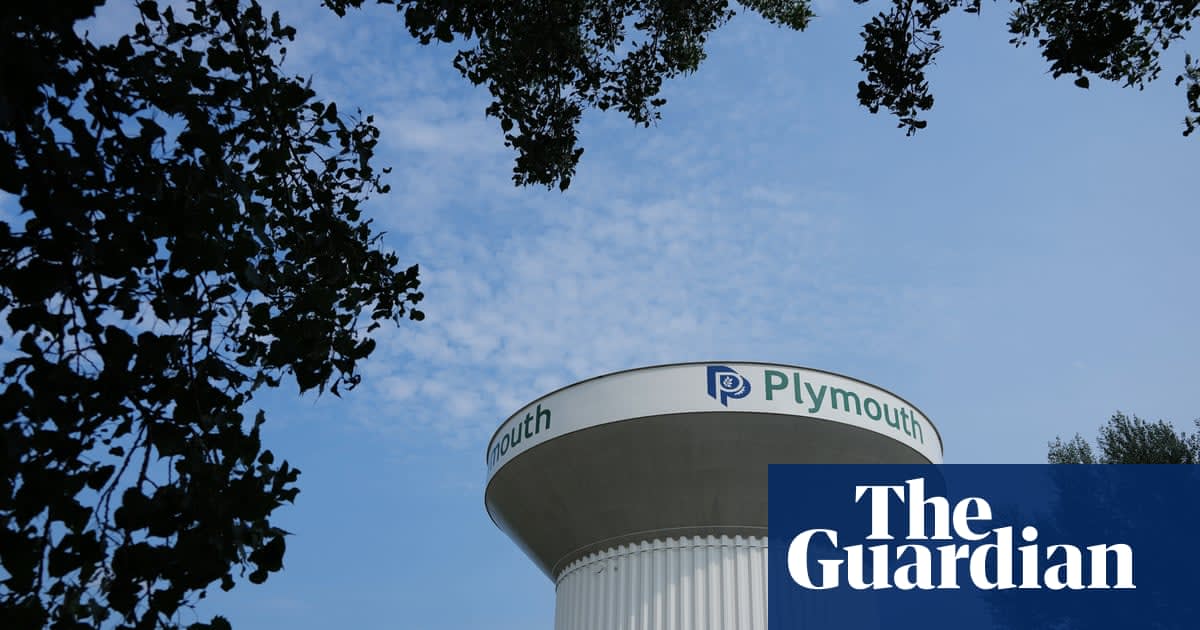
Federal authorities have issued warnings after cyber-attacks targeted water and wastewater facilities in seven U.S. states. Minnesota was most severely impacted, though no drinking water contamination has been reported.
The Rising Threat to Critical Infrastructure
Late last week, federal authorities issued a significant security alert regarding coordinated cyber-attacks targeting water and wastewater facilities across at least seven U.S. states. This development underscores a growing vulnerability in American critical infrastructure as digital integration expands without commensurate security hardening. The Cybersecurity and Infrastructure Security Agency (CISA) has publicly acknowledged that these "malicious cyber actors" are casting a wide net, systematically targeting water entities of varying sizes.
The Impact on Minnesota and Beyond
Minnesota has emerged as the epicenter of this recent campaign, with reports indicating that 30 distinct water systems within the state have been compromised. These breaches have manifested in tangible, real-world consequences for citizens, ranging from reduced water pressure in residential homes to the preemptive issuance of boil-water notices. While these disruptions have caused significant public inconvenience and operational strain, officials have offered a crucial reassurance: there have been no documented instances of drinking water contamination to date.
Vulnerabilities in the Digital Age
CISA’s warning highlights a systemic reality: critical infrastructure is increasingly reliant on networked Industrial Control Systems (ICS) and Operational Technology (OT) that were not originally designed for a hyper-connected, hostile cyber environment. As utilities modernize their monitoring and distribution systems, the surface area for potential exploitation grows. These attackers are leveraging the inherent fragility of legacy systems that lack robust authentication or modern encryption, turning standard utility management tools into liabilities.
The Strategic Intent of Cyber Adversaries
Targeting water infrastructure is a hallmark of sophisticated threat actors seeking to undermine public confidence and create social instability. Unlike data breaches aimed at financial gain, intrusions into water utilities represent a shift toward physical-world impact. By inducing localized pressure drops and triggering boil-water protocols, these actors demonstrate the ability to degrade essential services, signaling a transition from digital espionage to potential digital sabotage.
Future Trends and Defensive Requirements
Moving forward, the resilience of U.S. utility sectors will depend on a rapid transition toward "security-by-design" frameworks. This includes the implementation of rigorous network segmentation, continuous monitoring of OT environments, and the adoption of zero-trust architectures specifically tailored for public utilities. As these incidents become more frequent, federal entities will likely mandate stricter cybersecurity benchmarks for municipal water authorities to prevent future systemic failures.
Conclusion
The recent spate of attacks serves as a stark reminder that water security is now inextricably linked to cybersecurity. While the immediate situation in Minnesota and other affected states is being managed, the broader threat remains persistent. Protecting the nation’s water supply will require sustained investment in infrastructure resilience and a heightened state of vigilance against actors who exploit the digital vulnerabilities of essential public services.