US says hackers are targeting vulnerable water systems with the help of AI
Source Entity
Zack Whittaker
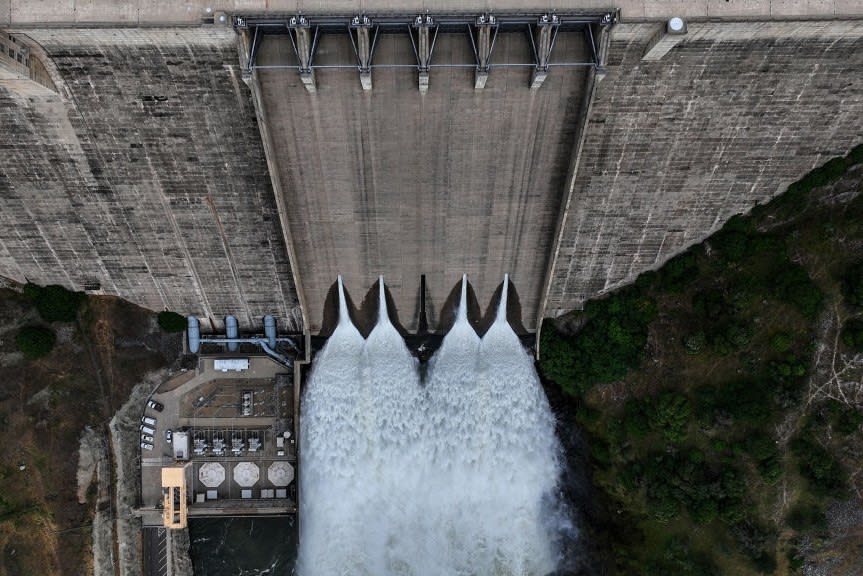
U.S. federal agencies have issued a critical warning regarding cyberattacks targeting internet-connected Siemens controllers in water and wastewater facilities. These breaches pose severe risks to national infrastructure, potentially leading to operational downtime and physical equipment damage.
The Escalating Threat to American Critical Infrastructure
A coordinated warning from the U.S. Cybersecurity and Infrastructure Security Agency (CISA), the FBI, and the National Security Agency has highlighted a grave vulnerability within the nation’s critical infrastructure. Hackers are currently exploiting internet-connected Siemens S7 programmable logic controllers (PLCs), which serve as the backbone for automated processes across water, energy, and manufacturing sectors. This development signals a shift in cyber warfare, where digital intrusions are no longer confined to data theft but are now directly threatening the mechanical integrity of essential public services.
Understanding the Vulnerability of Industrial Control Systems
The Siemens S7 controllers are specialized hardware designed to manage physical processes, such as the flow of water, the pressure within pipes, and the chemical balance in wastewater treatment plants. Because these devices are increasingly connected to the internet to facilitate remote monitoring and efficiency, they have inadvertently become entry points for malicious actors. By targeting these PLCs, attackers gain the ability to manipulate the very systems that provide clean water and sanitation to millions of Americans, turning essential industrial tools into liabilities.
The Role of AI and Sophisticated Threat Actors
While the scope of these attacks is broad, the involvement of advanced capabilities—potentially aided by artificial intelligence—has alarmed federal authorities. The use of AI in cyberattacks allows threat actors to scan for vulnerable devices at a speed and scale previously unattainable. By automating the identification of exposed Siemens hardware, hackers can bypass traditional security perimeters with greater precision, making it increasingly difficult for under-resourced water facilities to defend their networks against persistent and evolving threats.
Broader Implications for National Security
The disruption of water supply and wastewater systems carries profound implications for public health and safety. Beyond the immediate risk of service outages, successful attacks could result in significant equipment damage that is costly and time-consuming to repair. Furthermore, the manipulation of water treatment processes could potentially lead to safety incidents that compromise the quality of the water supply, elevating a technical cyber issue into a major public health emergency.
Historical Context and Future Trends
This incident is part of a growing trend of attacks on critical infrastructure that has been observed over the last several years. As the United States continues to modernize its utility grids and treatment facilities, the 'attack surface'—the total sum of vulnerabilities that can be exploited—continues to expand. The trend suggests that as long as legacy systems remain connected to the internet without robust, modernized security protocols, they will continue to be a primary target for state-sponsored and criminal hacking groups looking to exert pressure on the U.S. government.
Conclusion: The Path Toward Resilience
Securing the nation’s water sector requires a departure from traditional 'security by obscurity.' Federal agencies are now emphasizing the need for rigorous patching, the implementation of zero-trust architectures, and the immediate isolation of critical controllers from the public-facing internet. Moving forward, the resilience of American infrastructure will depend on the ability of local utilities to integrate advanced cybersecurity measures while maintaining the delicate balance of operational availability and safety.