DJI Osmo fans are breaking the shackles of its closed-source camera app
Source Entity
Sean Hollister
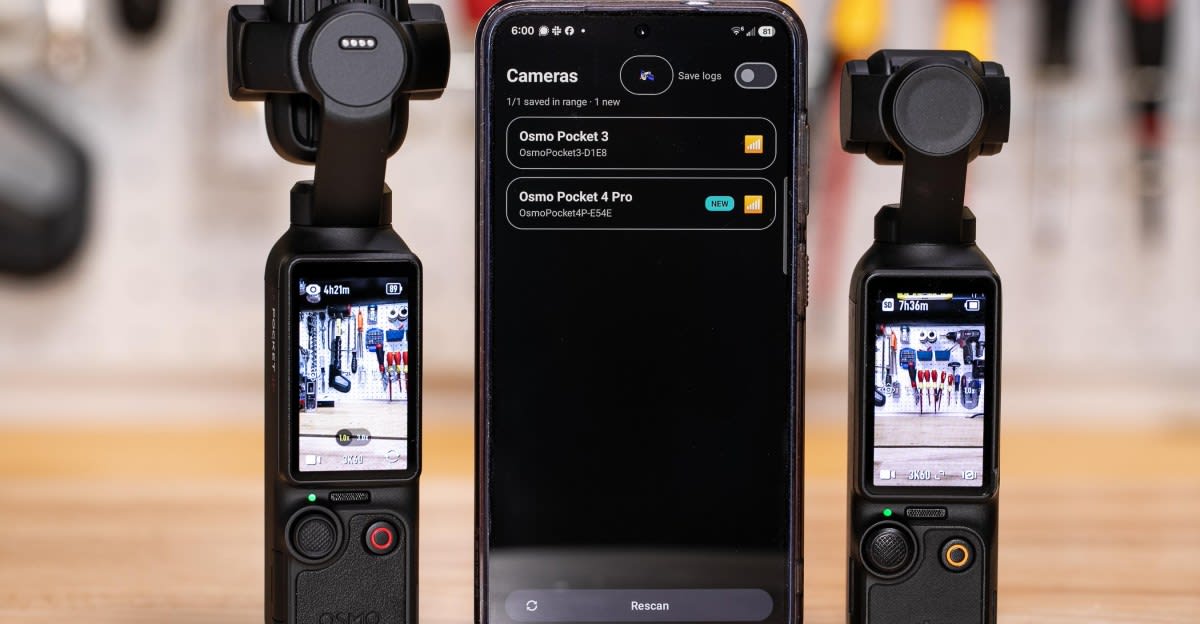
DJI users are circumventing restrictive official software with the open-source 'Osmosis' app. Simultaneously, banned DJI camera models remain widely accessible to US consumers through major online marketplaces.
The Dual Challenge Facing DJI's Ecosystem
DJI, the dominant force in the consumer drone and pocket camera market, is currently facing a dual-pronged challenge to its ecosystem. On one hand, the company is dealing with the technological pushback from its own user base regarding software privacy and bloat. On the other, it is navigating a complex geopolitical and regulatory landscape that has resulted in bans on certain product lines within the United States. These two developments highlight the increasing tension between proprietary control and user autonomy in the modern gadget landscape.
The Rise of Open-Source Alternatives
For years, DJI users have been tethered to the company's official, closed-source applications to manage their devices. These apps, while functional, have long been criticized for being "bloated" and for transmitting data back to DJI's cloud servers, raising valid privacy concerns among power users. The emergence of "Osmosis," an open-source application developed by Konrad Iturbe, marks a significant shift in this dynamic. By reverse-engineering the communication protocols between DJI hardware and official software, Iturbe has created a tool that restores user agency, allowing for footage management, thumbnail previews, and wireless downloads without the need for the official, restrictive software.
The Persistence of Banned Hardware
While software enthusiasts seek to "break the shackles" of DJI’s ecosystem, the hardware market presents a different story. Despite regulatory actions intended to ban certain DJI camera models—such as the Osmo Pocket 4 and Pocket 4 Pro—from the US market, these devices remain readily available. Consumers looking to purchase these "banned" items do not need to navigate shadowy back-alley networks; instead, they can simply browse mainstream platforms like Amazon, eBay, Temu, and AliExpress. The prevalence of these listings indicates that the supply chain for these devices is already well-entrenched within the United States.
Implications for Regulatory Effectiveness
The continued availability of these cameras via major e-commerce platforms suggests a significant gap between policy implementation and enforcement. Even when products are technically banned from import or sale, the existing stock already present within the country circulates freely. This reality challenges the efficacy of current trade restrictions, as the digital marketplace allows for the seamless distribution of goods that regulators have attempted to sequester from the American public.
Future Trends and Market Autonomy
Looking forward, the combination of third-party software development and the resilience of the grey market points to a future where manufacturers have less control over their products once they reach the consumer. As users become more adept at reverse-engineering proprietary protocols, companies may find it increasingly difficult to force users into centralized, data-harvesting ecosystems. Simultaneously, the ease with which consumers bypass hardware bans suggests that unless regulatory bodies can exert more pressure on domestic e-commerce platforms, the impact of such bans will remain largely symbolic rather than functional.
Conclusion
In conclusion, DJI finds itself in a precarious position where its software is being challenged by open-source innovation, while its hardware sales are being facilitated by a robust, albeit illicit, secondary market. These trends suggest a growing disconnect between corporate and regulatory attempts to control device usage and the reality of a globalized, tech-savvy consumer base that prioritizes functionality and accessibility over compliance.