Waymo lifts the lid on the ‘brain’ powering its robotaxis
Source Entity
Andrew J. Hawkins
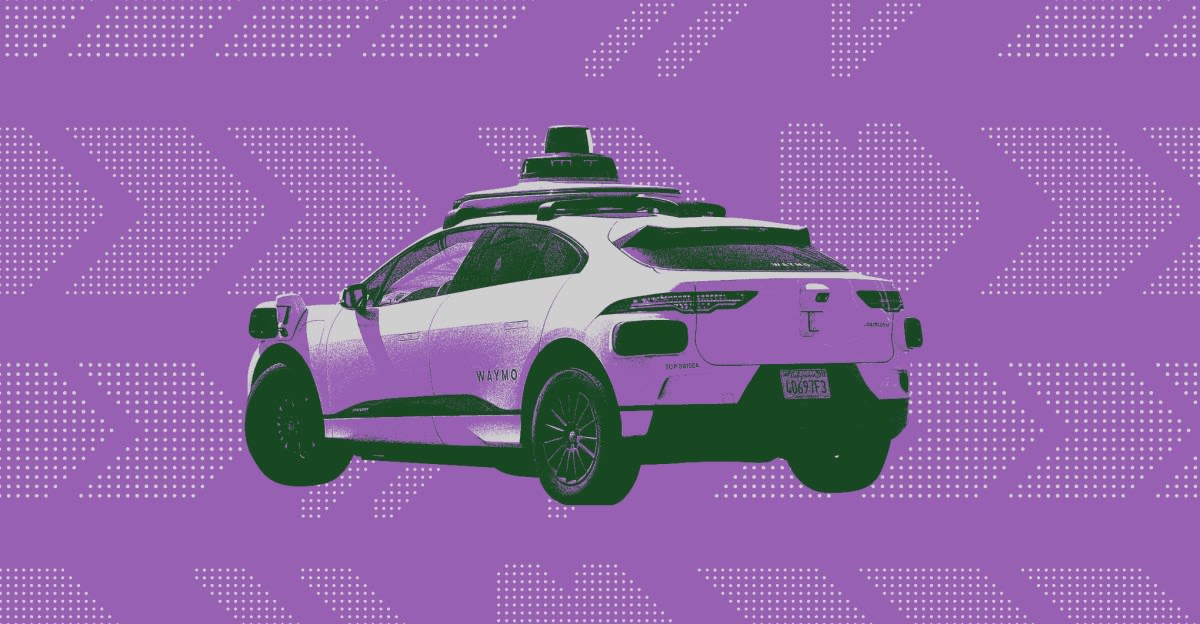
Waymo has unveiled technical specifications for the high-powered computing systems in its robotaxis, while Tesla's fleet in Texas appears to have transitioned to fully unsupervised operation. These developments mark a significant shift in the autonomous vehicle landscape as both companies scale their driverless capabilities.
The Rapid Evolution of Autonomous Vehicle Infrastructure
The autonomous vehicle industry is currently experiencing a pivotal shift in both hardware transparency and operational deployment. Waymo, a leader in the robotaxi space, recently provided an unprecedented glimpse into the 'brain' of its vehicles. By revealing that its trunk-mounted computers are capable of performing up to one quadrillion operations per second, Waymo is setting a new benchmark for the computational power required to safely navigate complex urban environments.
Deciphering the Waymo 'Brain'
Waymo’s decision to publish details regarding its chip architecture, processor specifications, and hardware supply chain is a strategic move toward establishing industry credibility. Unlike traditional automotive components, these high-powered computers must process massive amounts of sensor data in real-time to make split-second decisions. By detailing these components, Waymo is signaling that its infrastructure is mature enough to withstand public scrutiny, potentially easing regulatory concerns regarding the reliability of autonomous systems.
The Tesla Shift: From Testing to Full Autonomy
Parallel to Waymo’s hardware transparency, Tesla is seeing a significant evolution in its operational footprint. Data from the crowdsourced Robotaxi Tracker indicates that Tesla’s fleet in Austin, Texas, has transitioned to fully unsupervised operations. With 170 monitored rides across 54 vehicles showing no human presence, it appears that Tesla has successfully moved beyond the stagnation observed earlier this summer, signaling a broader rollout of their driverless technology.
Regional Expansion and Scalability
The shift toward fully driverless operations is not limited to Austin. Evidence suggests that Tesla is scaling similar unsupervised operations in Dallas and Houston, with roughly 30 vehicles operating without safety monitors. This regional expansion demonstrates a growing confidence in the software's ability to handle diverse traffic conditions. As these fleets grow, the data generated will likely further refine Tesla's neural networks, creating a feedback loop that accelerates the path to total autonomy.
Future Trends and Industry Implications
As Waymo and Tesla continue to dominate the discourse, the industry is entering a phase defined by proof-of-concept at scale. Waymo’s focus on high-end, bespoke computing hardware contrasts with Tesla’s approach to fleet-wide software deployment, yet both are converging on the same goal: removing the human driver. The future of transportation will likely be dictated by which company can better balance the raw computational power required for safety with the operational logistics of managing a massive, distributed fleet.
Conclusion
Ultimately, these developments represent a critical juncture for autonomous transport. Whether through the transparency of hardware specifications or the raw data of unsupervised rides, both Waymo and Tesla are moving aggressively to define the future of urban mobility. As these technologies continue to integrate into the fabric of cities like Austin, Dallas, and beyond, the focus will inevitably shift from 'if' these cars can drive themselves to 'how' they can do so reliably at a massive, global scale.