USS Abraham Lincoln: Sailor’s wife sounds alarm on ‘exhausting’ deployment on ship; ‘they need help’
Source Entity
Latest News: Todays Latest News Headlines from India & World | Hindustan Times | Hindustan Times
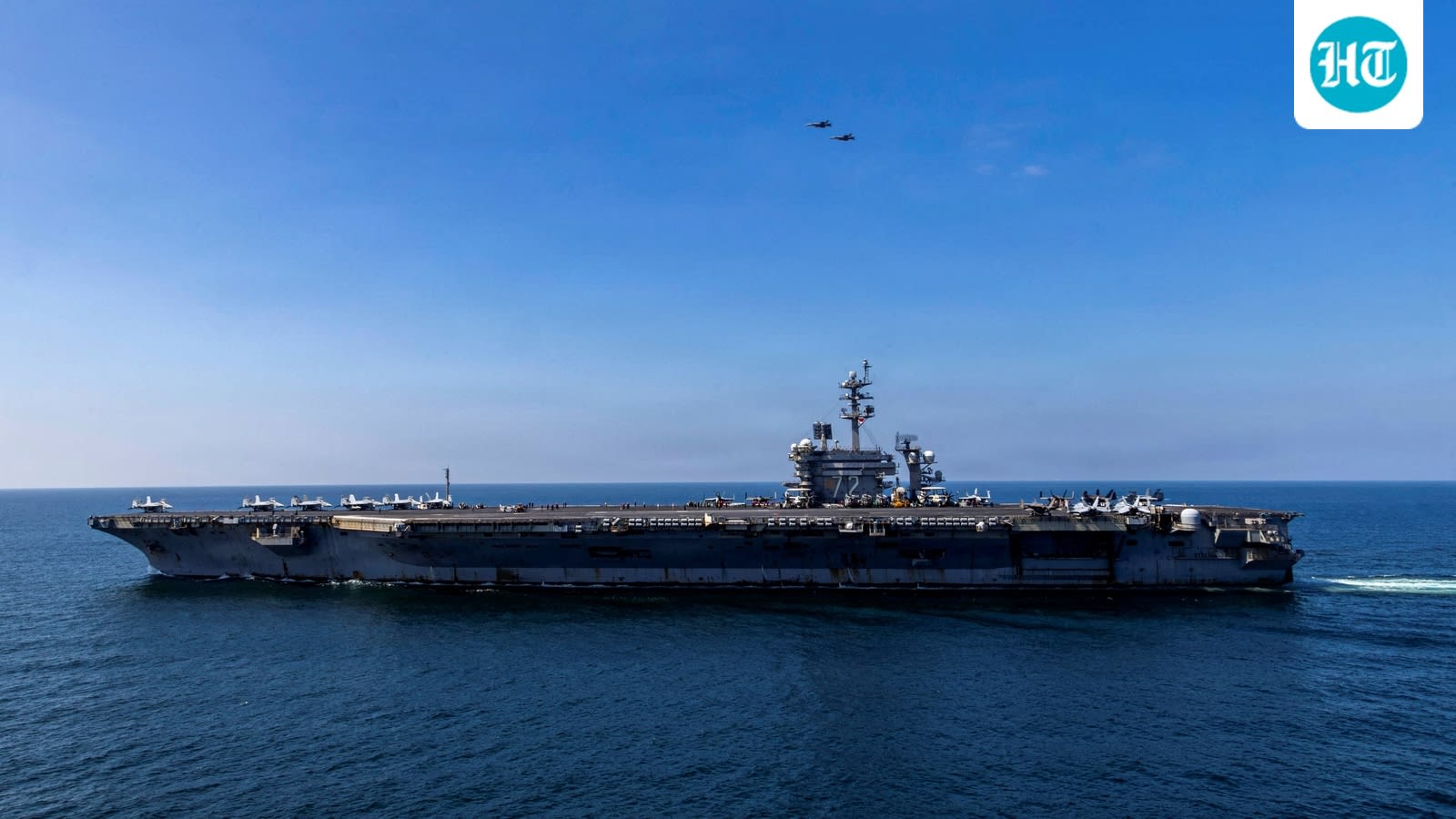
The USS Abraham Lincoln is facing intense scrutiny over crew burnout and mental health following a 250-day deployment. The Navy is currently rotating the USS George Washington to the region to relieve the exhausted crew.
The Toll of Extended Naval Deployments: A Crisis on the USS Abraham Lincoln
Recent reports concerning the USS Abraham Lincoln have brought the grueling realities of modern naval operations into sharp focus. Independent journalist Aaron Parnas recently shared a harrowing account from the spouse of a veteran sailor, who described the current mission as the most taxing in over two decades of service. This testimony highlights a significant disconnect between operational demands and the human capacity of the crew, specifically noting that sailors are reportedly suffering from severe exhaustion, minimal sleep, and a lack of recovery time.
Operational Strain and Morale Challenges
The core of the controversy lies in the duration of the deployment. Having departed San Diego on November 21 and arrived in the Middle East in January, the USS Abraham Lincoln has been at sea for over 250 days. The accounts of crew members, communicated through their families, suggest a environment of high stress where requests for information regarding rotation schedules are met with dismissive directives to focus only on the immediate day. This perceived lack of transparency exacerbates the psychological burden on personnel who are already working at the limits of their endurance.
The Strategic Pivot: Carrier Rotation
In response to the growing concerns regarding crew welfare, the United States is currently executing a carrier swap. The USS George Washington is moving toward the Indian Ocean, having recently departed Vietnam. While U.S. officials maintain that this transition is part of a previously planned rotation, the timing coincides with a period of heightened public discourse regarding the mental health and physical state of the Lincoln’s crew. This movement represents a critical logistical effort to maintain regional presence while mitigating the risk of operational failure caused by fatigue.
Broader Implications for Naval Readiness
This incident serves as a case study in the challenges of maintaining a high-tempo naval presence in volatile regions. The U.S. Navy frequently balances the need for deterrence with the maintenance of its most valuable asset: its sailors. When deployment lengths extend beyond standard operational parameters, the degradation of morale and the increased risk of human error become significant strategic concerns. The situation aboard the Lincoln underscores the necessity for more robust support systems and clearer communication channels between command and the fleet.
Historical Context and Future Trends
The historical precedent for such extended deployments is often rooted in the necessity of projecting power in the Middle East. However, the modern era of naval warfare, characterized by constant vigilance and rapid response requirements, has placed an unprecedented burden on carrier strike groups. Looking forward, the Navy will likely face increasing pressure to modernize its rotation cycles. If the military fails to address the underlying causes of crew burnout—such as the lack of downtime and rigid communication protocols—it may face difficulties in retention and overall operational readiness in the years to come.
Conclusion
The reports from the USS Abraham Lincoln are a stark reminder of the human cost of global security commitments. While the arrival of the USS George Washington provides a necessary reprieve, the questions raised by the sailors and their families remain pertinent. The U.S. Navy must now reconcile its strategic requirements with the essential health and welfare of its personnel to ensure that the fleet remains capable of performing its duties without compromising the individuals who serve on the front lines.
Multiple Citing Sources
Verification Required?