Uttarakhand helicopter crash: Bodies of all 6 killed in accident recovered
Source Entity
Vidheesha Kuntamalla
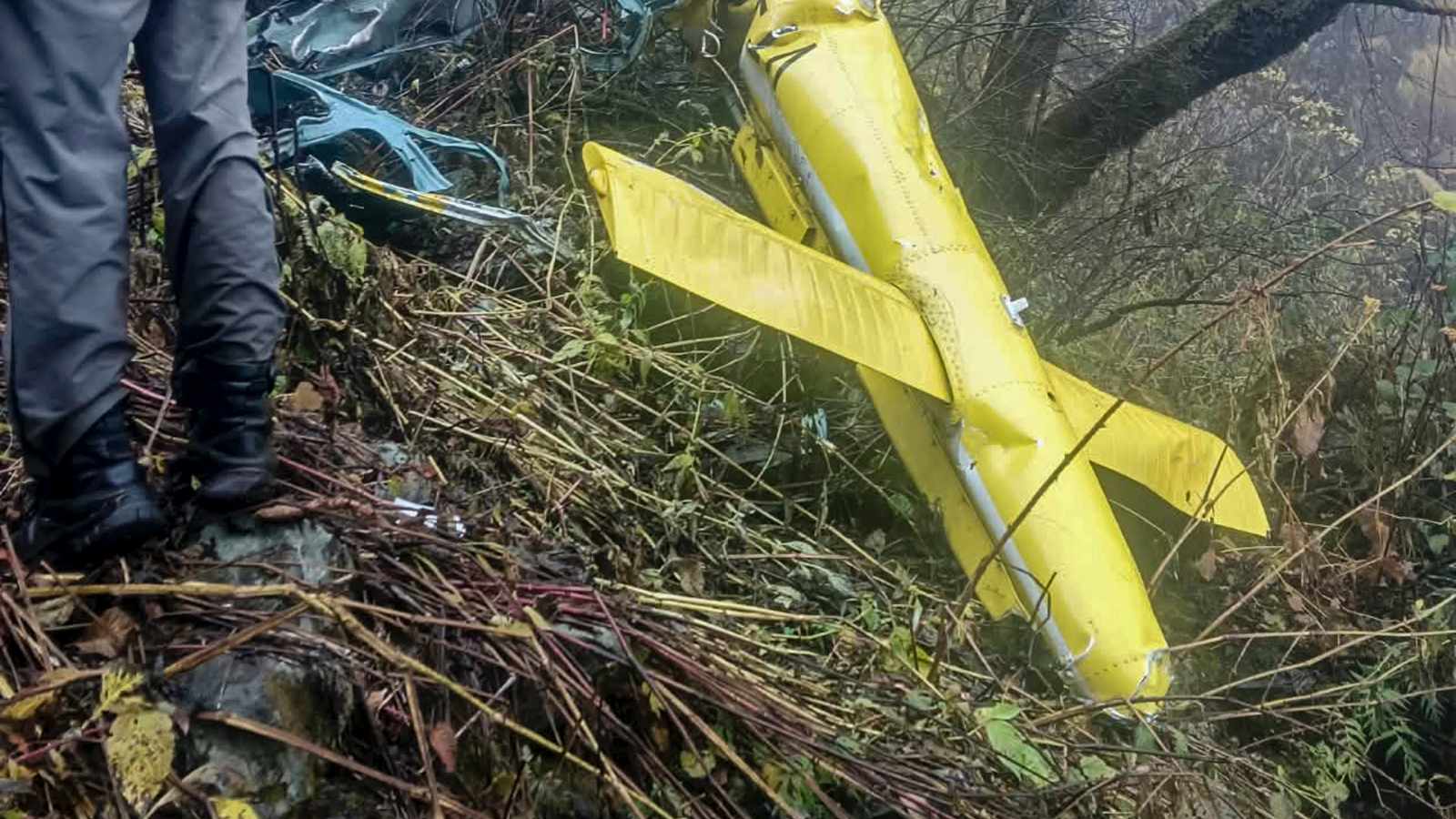
All six victims of the October 30 helicopter crash in Uttarakhand have been recovered and moved for post-mortem examinations. Authorities are currently investigating allegations that the operator defied weather-related flight bans.
Tragedy in the Himalayas: Recovery and Investigation
On October 30, a tragic helicopter crash occurred in the mountainous terrain near Badrinath, Uttarakhand, resulting in the loss of six lives. The victims included the pilot, identified as Himanshu Sabharwal, and five passengers hailing from Karnataka. Following a multi-day search and rescue operation, district administration officials confirmed on November 1 that all six bodies have been successfully recovered from the crash site and transported to the Community Health Centre (CHC) in Jyotirmath, with plans to move them to AIIMS Rishikesh for post-mortem examinations.
The Complexities of High-Altitude Recovery
The recovery mission was a formidable logistical challenge, necessitating the coordination of multiple agencies, including the Army, the Indo-Tibetan Border Police (ITBP), the National Disaster Response Force (NDRF), the State Disaster Response Force (SDRF), local police, and the Forest and Revenue departments. Rescuers were forced to trek across treacherous mountain paths from the direction of Pandukeshwar to reach the wreckage. The arduous nature of the terrain, combined with the extreme environmental conditions typical of the high-altitude Himalayan region, significantly hampered initial efforts to locate and retrieve the deceased.
The Controversy of Operational Safety
Beyond the immediate tragedy, the incident has ignited a heated debate regarding flight safety protocols in the region. Reports indicate that the helicopter took off despite an active orange weather alert. The Uttarakhand Civil Aviation Development Authority had reportedly issued a directive to halt operations due to poor weather conditions, a mandate that Trans Bharat Aviation allegedly ignored. This defiance of safety protocols has become the focal point of an ongoing probe into the circumstances leading up to the disaster.
Broader Implications for Himalayan Aviation
This incident underscores the inherent risks associated with aviation in the Himalayan corridor, a region where rapidly shifting weather patterns and extreme topography make flight operations notoriously difficult. The reliance on helicopter transport for pilgrimage and tourism in areas like Badrinath places immense pressure on operators. The current investigation is expected to scrutinize not only the specific actions of Trans Bharat Aviation but also the broader regulatory oversight mechanisms meant to enforce weather-related flight bans.
Future Trends and Safety Oversight
Looking ahead, this crash will likely serve as a catalyst for stricter enforcement of aviation safety norms in Uttarakhand. The incident highlights a critical need for more robust communication between meteorological departments and private aviation operators to ensure that weather warnings are not merely advisory but strictly binding. As the state continues to manage high volumes of aerial traffic, the industry faces mounting pressure to prioritize passenger safety over commercial schedules, potentially leading to more rigorous licensing reviews and updated operational mandates for all charter services operating in the fragile mountain ecosystem.